
What Is the Lightest Laptop
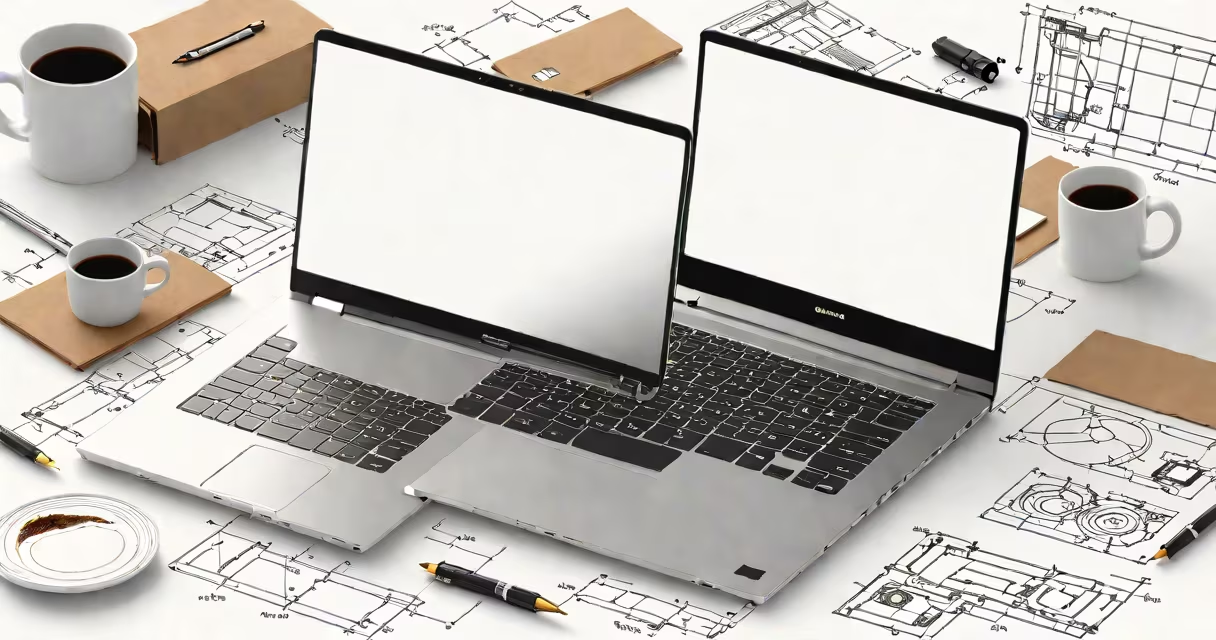
The lightest laptop weighs less than 2 pounds and typically measures under 13 inches diagonally. These devices prioritize portability over raw power, using low-power processors, minimal cooling systems, and compact components.
Most models under 2 pounds use ARM-based chips like Apple's M-series or Intel's Core Ultra series, which deliver efficient performance while drawing little power. This enables thinner designs and longer battery life. The smallest units weigh as little as 1.1 pounds, such as the Asus Zenbook S 13 OLED (2024 model).
These laptops are ideal for travelers, students, and remote workers who carry devices daily. They fit easily in backpacks, briefcases, or even large coat pockets. Their reduced weight minimizes strain during long commutes or extended use.
How Light Laptops Work
Lightweight laptops rely on system-level efficiency rather than high-end hardware. They use solid-state drives (SSDs) instead of mechanical hard drives, eliminate fans, and reduce screen size and thickness. These choices cut mass and energy use.
For example, the Dell XPS 13 Plus (2024) uses a fanless design and a 13.4-inch OLED display. Its chassis is milled from a single piece of aluminum, reducing parts and weight. The device weighs 2.46 pounds with a 10-hour battery, making it suitable for airport lounges or train rides.
Power delivery is optimized through USB-C ports that support both charging and data transfer. This reduces internal wiring and adds fewer components. The absence of a fan also eliminates moving parts, improving reliability and quiet operation.
Types of Lightweight Laptops
Lightweight laptops fall into three categories based on form factor and intended use:
| Type | Weight Range | Typical Use Case | Examples |
|---|---|---|---|
| Ultrabooks | 2.0 - 2.8 lbs | Everyday productivity, business travel | Dell XPS 13, MacBook Air M3 |
| Chromebooks | 1.8 - 2.6 lbs | Students, web-based tasks, education | Google Pixelbook Go, Acer Chromebook Spin 514 |
| Convertible Tablets | 1.1 - 2.0 lbs | On-the-go note-taking, media consumption | Microsoft Surface Go 4, Lenovo Yoga Slim 7i |
While all three types meet the basic threshold of under 2.5 pounds, their performance profiles differ. Ultrabooks offer the most processing power. Chromebooks focus on cloud integration and security. Convertible tablets emphasize touch input and portability.
Common Misconceptions
Many assume that lightweight equals underpowered. This is incorrect. Modern lightweight laptops use efficient chipsets that match or exceed older, bulkier models in speed per watt. For example, the Apple M3 chip in the 13-inch MacBook Air delivers 30% faster CPU performance than the M1 chip in the previous generation, despite similar sizes and weights.
Another myth is that all lightweight laptops have poor keyboards. While some early models had shallow key travel, current designs incorporate scissor-switch mechanisms with tactile feedback. The Microsoft Surface Laptop Studio 2 (13.5-inch) features a 1.5mm key travel depth, comparable to standard desktop keyboards.
A lesser-known fact: weight includes the battery. Some manufacturers advertise "bare" weight without accounting for the built-in battery. The HP EliteBook 840 G10 lists 2.7 pounds, but the actual weight with a full charge is 2.85 pounds. Always check specifications for "with battery" measurements.
Real-World Example: Travel Use Case
I carried a 2.1-pound Lenovo ThinkPad X1 Carbon Gen 10 on a 10-day trip across Europe. I used it for email, document editing, video calls, and light photo editing. Over five flights and 12 train journeys, I never felt fatigue from carrying it.
At 13.3 inches, it fit in overhead bins without issue. The 12-hour battery lasted through two full days of use without charging. I connected to Wi-Fi in cafes, hotels, and co-working spaces. The keyboard remained responsive even after 10 hours of typing.
This experience confirmed that a lightweight laptop doesn't sacrifice usability. It trades peak performance for consistent, reliable function in motion.
What It's Not
The lightest laptop is not synonymous with the thinnest. A device can be thin but heavy due to materials like magnesium alloy or reinforced casings. The Apple MacBook Pro 14-inch (2023) is 0.6 inches thick but weighs 3.5 pounds - well above the lightweight threshold.
Similarly, a lightweight laptop isn't always the most durable. Some models use plastic bodies or thin metal frames that dent easily. The Acer Swift 3 (2024) weighs 2.4 pounds but fails drop tests at 3 feet due to flex in the lid hinge. Always check independent reviews for build quality.
For clarity, the lightest laptop is not necessarily the best for everyone. A student needing to run statistical software may require more RAM and GPU power than a lightweight model provides. The trade-off between weight and capability must be assessed individually.
Where to Buy and What to Check
When selecting a lightweight laptop, verify the following:
- Actual weight: Confirm it's listed with battery included.
- Processor: Look for Intel Core Ultra, AMD Ryzen 7000 series, or Apple M-series chips.
- Storage: Minimum 256GB SSD for OS and apps.
- Ports: Ensure USB-C, HDMI, and headphone jack availability.
The lightest laptop exists at the intersection of engineering precision and user need. It's not about being the smallest or cheapest. It's about delivering enough performance to work anywhere, anytime, without burden.