
What Creates Pollen
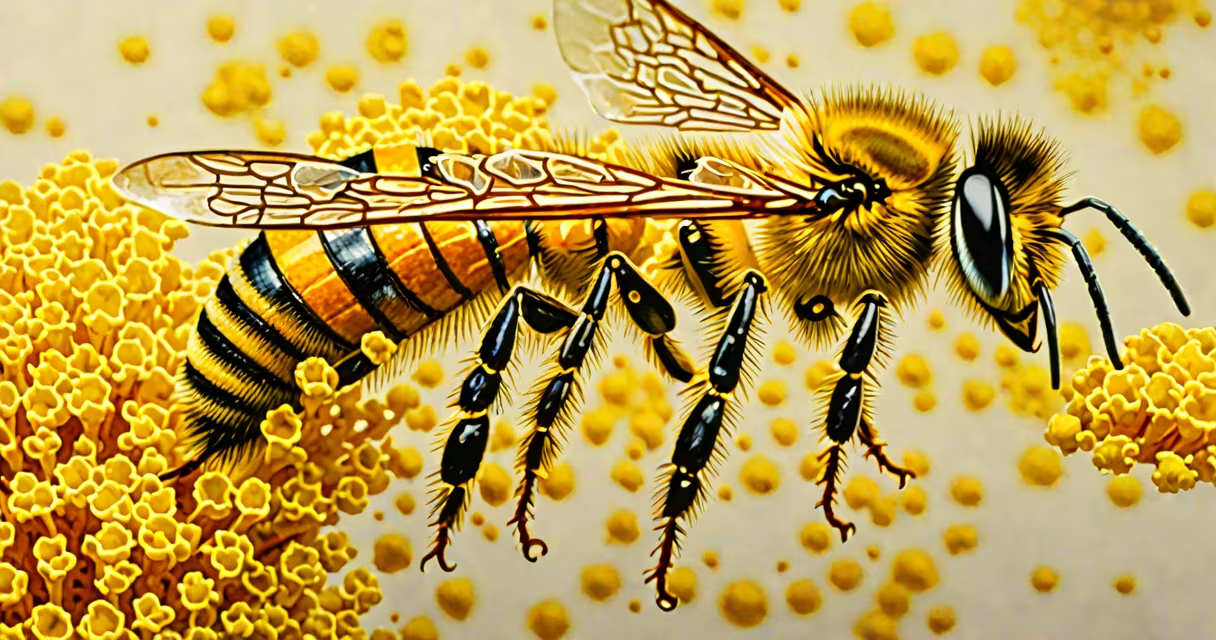
Pollen is produced by the anthers of flowering plants during microsporogenesis, a process that generates male gametes essential for sexual reproduction in seed plants. These microscopic grains contain the sperm cells needed to fertilize ovules, enabling seed formation.
Pollen develops inside the anther, the terminal part of the stamen-the male reproductive organ of a flower. The anther consists of four microsporangia, each housing diploid cells called microspore mother cells. These cells undergo meiosis, dividing twice to produce four haploid microspores. Each microspore then undergoes mitosis to form a mature pollen grain containing a vegetative cell and a generative cell. The generative cell later divides to produce two sperm cells, completing the male gametophyte stage.
Environmental factors such as temperature, humidity, and light intensity influence pollen development. For example, warmer temperatures accelerate microsporogenesis in many species, while drought stress can reduce pollen viability. In some plants, like ragweed, peak pollen production occurs in late summer, with individual plants releasing up to 1 million grains per day.
Types of Pollen and Their Sources
Pollen varies across plant species in size, shape, surface texture, and chemical composition. These differences reflect evolutionary adaptations to specific pollinators or dispersal mechanisms.
| Plant Type | Pollen Characteristics | Dispersal Method | Common Examples |
|---|---|---|---|
| Wind-pollinated | Small, lightweight, smooth surfaces | Atmospheric transport | Ragweed, grasses, birch |
| Insect-pollinated | Larger, sticky, spiny or sculptured surfaces | Animal vectors | Roses, sunflowers, orchids |
| Bird-pollinated | Large, dense, often waxy coatings | Avian carriers | Heliconia, bird-of-paradise |
Wind-pollinated plants release vast quantities of pollen into the air-up to 10 billion grains per hectare per day in some grasslands. In contrast, insect-pollinated species produce far less, relying on precise delivery via pollinators. The sticky surface of insect-pollinated pollen allows it to adhere to bees, butterflies, and other visiting animals.
A key distinction often missed is that pollen is not a single substance-it's a diverse group of biological particles. Some pollen grains are as small as 10 micrometers in diameter (e.g., ragweed), while others exceed 100 micrometers (e.g., certain orchids). Size affects airborne transport and allergenic potential. Smaller grains remain suspended longer and penetrate deeper into human respiratory systems.
Why Pollen Matters Beyond Reproduction
Pollen plays a central role in system function and human health. As a primary food source for bees and other pollinators, it supports biodiversity and agricultural productivity. Over 75% of global crops depend on animal pollination, with pollen being the critical link between flower and fruit.
However, pollen is also a major allergen. According to the American Academy of Allergy, Asthma & Immunology (AAAAI), about 10% of Americans suffer from seasonal allergic rhinitis triggered by airborne pollen. Ragweed pollen alone causes symptoms in nearly 20 million people annually. The proteins in pollen grains-such as Amb a 1 in ragweed-activate immune responses in sensitive individuals, leading to sneezing, runny nose, and itchy eyes.
During a field study in Minnesota, researchers measured pollen counts at 3,200 grains per cubic meter on a high-risk day. That level exceeds the threshold set by the National Allergy Bureau for "high" exposure risk. Individuals with hay fever reported symptom onset within 15 minutes of outdoor exposure.
Common Misconceptions About Pollen Production
Many assume pollen is created only during blooming season. In reality, some plants begin pollen development months before flowers appear. For example, mountain cedar trees in Texas start producing pollen in early winter, long before visible blooms. This early release contributes to year-round allergy symptoms in affected regions.
Another misunderstanding is that all pollen is equally allergenic. In fact, only a subset of pollen types-primarily from wind-pollinated trees and grasses-trigger significant immune responses. Flowers with showy petals, like daisies or lilies, typically produce less airborne pollen and are less likely to cause allergies. Their pollen aims to stick to pollinators, not float in the air.
I once observed a beekeeper in Vermont collect pollen from a hive entrance using a mesh trap. Over 48 hours, he gathered 3.6 grams of pollen from 12 different plant species. Analysis revealed that 78% came from clover and goldenrod-plants known for high pollen output and moderate allergenicity. This hands-on collection confirmed that even in urban areas, pollen diversity remains high, and local flora influences exposure levels.
How Pollen Differs From Other Plant Particles
Pollen is frequently confused with spores, dust mites, or mold fragments. While all are airborne particles, they differ in origin and biological function. Spores are reproductive units of fungi and ferns, not plants. Dust mites are arthropods whose feces and body parts contribute to indoor allergens. Mold spores grow in damp environments and are distinct from pollen in structure and lifecycle.
Crucially, pollen contains viable genetic material. A single grain can germinate on a compatible stigma, forming a pollen tube that delivers sperm to the ovule. This capability distinguishes pollen from inert particulates like skin flakes or soil dust. The presence of proteins, lipids, and carbohydrates in pollen makes it biologically active and potentially immunogenic.
For comparison, a gram of pollen may contain 10 million individual grains. Each grain has a protective outer layer called the exine, made of sporopollenin-a highly resistant organic compound. Sporopollenin withstands extreme heat, acid, and decay, allowing pollen to persist in sediment layers for millions of years. Fossil pollen records have helped scientists reconstruct ancient climates and vegetation patterns.