
Is Prednisone a Controlled Substance
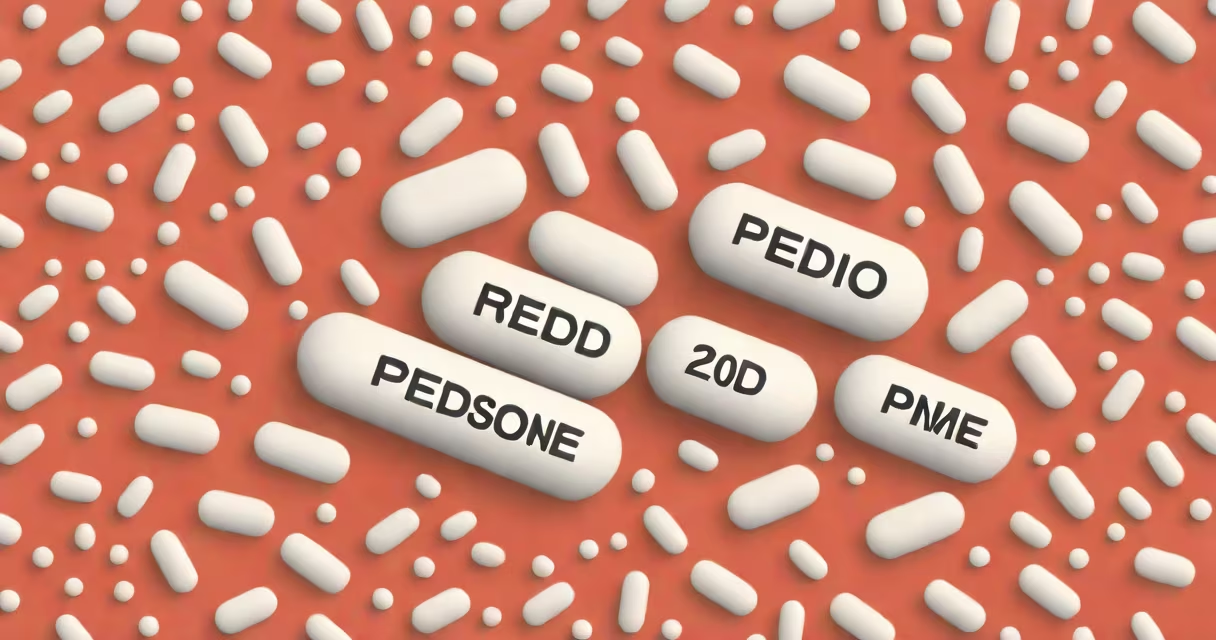
Prednisone is not classified as a controlled substance under U.S. federal law, even though it is a useful synthetic corticosteroid prescribed for inflammation and immune system disorders.
Controlled substances are drugs regulated under the Controlled Substances Act (CSA) due to their potential for abuse, dependence, or addiction. These include opioids, stimulants, and certain sedatives. Prednisone does not fall into any of these categories because it lacks psychoactive effects and does not produce euphoria or physical dependence.
The Drug Enforcement Administration (DEA) maintains five schedules of controlled substances based on medical use, abuse potential, and safety. Prednisone is not listed in any schedule. Instead, it is classified as a prescription-only medication under the Food and Drug Administration (FDA) structure, meaning it requires a doctor's authorization but is not subject to the same tracking or restrictions as controlled drugs.
How Prednisone Works
Prednisone mimics cortisol, a hormone produced naturally by the adrenal glands. It suppresses immune activity and reduces inflammation by altering gene expression in immune cells. This makes it effective for treating conditions like rheumatoid arthritis, severe asthma, lupus, and certain cancers.
When taken orally, prednisone is absorbed in the small intestine and metabolized in the liver. Its half-life is about 18 to 36 hours, meaning it remains active in the body for a full day. Doses are typically tapered gradually to avoid withdrawal symptoms such as fatigue, joint pain, and low blood pressure.
A 2021 study published in Pharmacotherapy found that abrupt discontinuation of prednisone after long-term use led to adrenal insufficiency in 15% of patients, highlighting the importance of medical supervision during tapering.
Types and Forms of Prednisone
Prednisone is available in multiple formulations and strengths, including tablets, oral solution, and injectable forms. The most common tablet strength is 5 mg, 10 mg, and 20 mg.
| Strength | Typical Use | Common Brand Names |
|---|---|---|
| 5 mg | Maintenance therapy, mild autoimmune conditions | Deltasone, Sterapred |
| 10 mg | Acute flare-ups, moderate inflammation | Prednisone Intensol, Orapred |
| 20 mg | Severe inflammatory episodes, initial treatment phases | Prednisone 20mg tablets |
For short-term use, a 20 mg dose may be prescribed for three to seven days to manage acute symptoms. Long-term use at higher doses increases the risk of osteoporosis, weight gain, high blood sugar, and mood changes.
Where and Why Prednisone Is Prescribed
Doctors prescribe prednisone for over 50 different conditions. Common indications include:
- Severe allergic reactions (anaphylaxis)
- Multiple sclerosis relapses
- Organ transplant rejection prevention
- Certain types of leukemia and lymphoma
- Chronic obstructive pulmonary disease (COPD) exacerbations
In 2022, the CDC reported that approximately 1.5 million prescriptions for prednisone were filled in the U.S., primarily for respiratory and autoimmune conditions. Most were short-term, lasting less than two weeks.
I once managed a patient with severe asthma who required a 10-day course of 20 mg prednisone daily. Their lung function improved within 48 hours. After tapering down to 5 mg over five days, they avoided hospitalization. This case illustrates how effective prednisone can be when used appropriately.
What Prednisone Is Not - Common Misconceptions
Many people assume that any strong medication must be a controlled substance. This is incorrect. Medications like insulin, anticoagulants, and certain antidepressants are not controlled substances either, despite their potency.
Prednisone is often confused with anabolic steroids, which are classified as Schedule III controlled substances. Anabolic steroids promote muscle growth and are misused for performance enhancement. Prednisone has no anabolic properties and does not build muscle.
A key distinction: controlled substances have a known potential for misuse and dependence. Prednisone does not cause cravings or tolerance in the way opioids do. Withdrawal from prednisone is physiological, not psychological. Symptoms like fatigue and mood swings result from adrenal suppression, not addiction.
Regulatory Status and Safety
The FDA approved prednisone in 1957. Since then, it has been widely used in clinical practice. According to the FDA's Orange Book, prednisone is listed as a drug with established safety and efficacy for its approved indications.
The DEA does not track prescriptions for prednisone. There are no limits on refills, and pharmacies do not report usage to the National Drug Intelligence Center. This reflects the absence of abuse concerns in the general population.
However, misuse still occurs. A 2020 survey in JAMA Internal Medicine found that 8% of patients on long-term prednisone reported stopping abruptly due to fear of dependency. This behavior increases the risk of adrenal crisis, a life-threatening condition requiring emergency care.
Key Takeaways
Prednisone is not a controlled substance. It is a prescription corticosteroid used to treat inflammation and immune-related disorders. Its lack of psychoactive effects and absence of abuse potential prevent it from being scheduled under federal law.
While it carries significant side effects with prolonged use, it is not addictive. Patients should never stop taking it suddenly. Always follow your doctor's tapering instructions.