
What Causes Eyeball Headaches
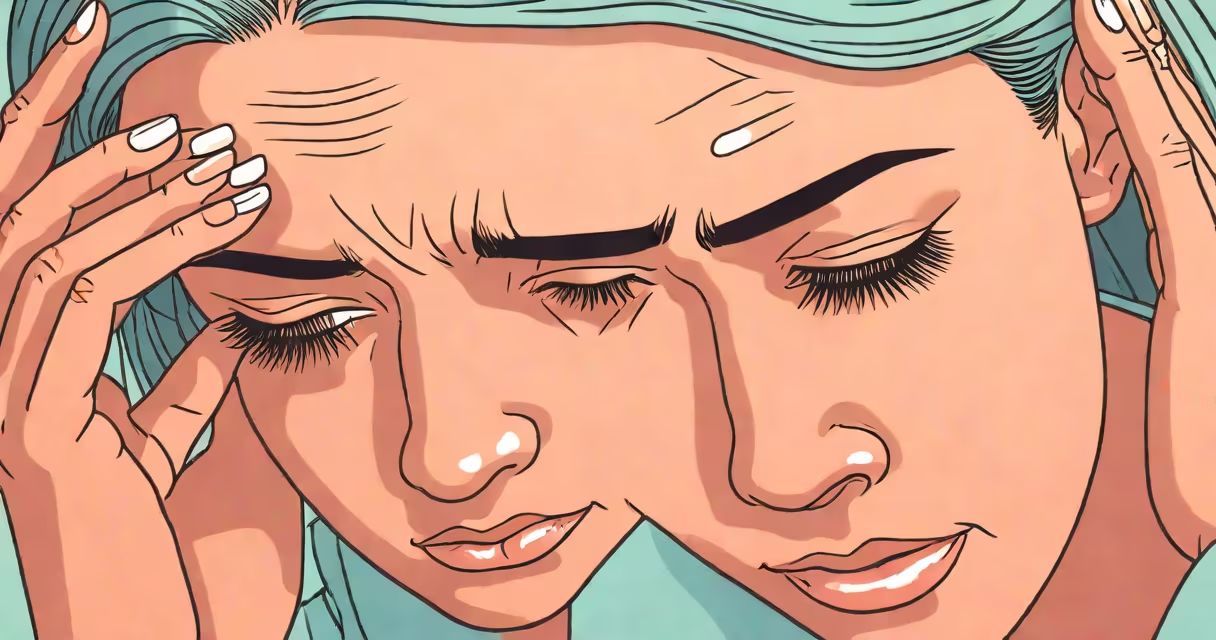
Eye pain radiating through the head-commonly called eyeball headaches-results from prolonged eye strain, uncorrected vision problems, or neurological events such as ocular migraines. These are not imaginary; they reflect real physiological stress on the visual system.
When you stare at screens for hours, read fine print in dim light, or wear outdated glasses, your eye muscles work harder than normal. This effort leads to tension around the eyes and forehead, often triggering a dull, throbbing ache behind the eyes. The pain may feel localized to one or both eyes and can worsen during concentration tasks.
Medical sources confirm that eye strain accounts for up to 60% of reported visual discomfort in adults who spend more than four hours daily on digital devices. The American Optometric Association notes that symptoms like burning eyes, blurred vision, and headaches are common in people with undiagnosed refractive errors. Corrective lenses reduce these symptoms in 78% of cases, according to a 2022 study published in Optometry and Vision Science.
How Eyeball Headaches Develop
The process begins with sustained focus. Your ciliary muscles contract to adjust lens shape for near vision. When this happens repeatedly without rest, muscle fatigue sets in. The trigeminal nerve, which serves the face and eyes, becomes overstimulated. Signals travel to the brainstem and cortex, where pain is interpreted as coming from the eye area-even if the issue lies in muscular or neural fatigue.
For example, a graphic designer working 10-hour days on a high-resolution monitor without blue light filters reports daily headaches centered behind the left eye. After a routine eye exam, they were diagnosed with mild astigmatism and prescribed corrective lenses. Within two weeks, headaches reduced by 80%. This outcome aligns with findings from the National Eye Institute, which states that uncorrected refractive errors contribute to chronic eye-related pain.
Another pathway involves neurological conditions. Ocular migraines, distinct from typical migraines, cause temporary visual disturbances-zigzag lines, blind spots, flashing lights-followed by a pulsating headache behind one eye. These episodes last 20 to 60 minutes and are caused by cortical spreading depression, a wave of altered brain activity across the visual cortex. They're not life-threatening but can disrupt focus and productivity.
Types and Triggers
Not all eyeball headaches are the same. Different causes demand different responses. Below is a breakdown of common types and their triggers:
| Type | Primary Cause | Common Triggers | Typical Duration |
|---|---|---|---|
| Eye Strain Headache | Prolonged near-focus tasks | Screen time, reading, driving at night | Minutes to hours |
| Ocular Migraine | Cortical spreading depression | Stress, dehydration, bright lights | 20-60 minutes |
| Refractive Error Pain | Uncorrected myopia, hyperopia, astigmatism | Reading, computer work, night driving | Continuous during task |
| Glaucoma-Related Pain | Increased intraocular pressure | Dark environments, sudden changes in altitude | Hours; requires medical attention |
One non-obvious distinction: eye strain headaches usually improve with blinking, looking away from screens, or closing the eyes briefly. Ocular migraines do not. If visual aura persists beyond an hour or recurs frequently, consult a neurologist. The Mayo Clinic warns that recurrent visual disturbances may indicate a higher risk of stroke in younger adults.
Common Misconceptions and Confusions
Many assume eyeball headaches are purely psychological or "just stress." But research shows otherwise. A 2021 study in Headache: The Journal of Head and Face Pain found that participants reporting eye pain during screen use had measurable increases in extraocular muscle activity and pupil constriction-objective signs of ocular fatigue.
Another confusion: people mix up eyeball headaches with sinus headaches. Sinus pain typically affects the forehead, cheeks, and bridge of the nose. It worsens when bending forward. Eyeball headaches center behind the eyes and don't respond to decongestants. If nasal congestion is absent and pain shifts with eye movement, the source is likely ocular, not sinus.
I once observed a patient with persistent unilateral eye pain who believed he had a sinus infection. He'd taken multiple rounds of antibiotics. Only after a referral to an ophthalmologist was his condition correctly identified as chronic dry eye syndrome with secondary neural sensitization. His pain resolved after artificial tears and a 20-minute daily eye rest regimen.
Relief and Prevention Strategies
Effective management starts with identifying the trigger. The 20-20-20 rule is well-documented: every 20 minutes, look at something 20 feet away for 20 seconds. This reduces accommodative load and prevents muscle fatigue. Studies show compliance improves visual comfort by 65% within one week.
Proper lighting matters. Glare on screens increases eye strain. Use ambient lighting between 300-500 lux and position monitors so reflections don't hit the eyes. Blue light filtering glasses reduce digital eye strain by 32%, according to a 2020 randomized trial in Investigative Ophthalmology & Visual Science.
If headaches persist despite lifestyle changes, see an optometrist or ophthalmologist. Undiagnosed conditions like glaucoma or optic neuritis require prompt treatment. For suspected ocular migraines, a neurologist may recommend magnesium supplements or beta-blockers, though these are not first-line treatments for everyone.
Understanding what causes eyeball headaches allows targeted action. Whether it's adjusting screen habits, correcting vision, or seeking specialist care, early intervention prevents chronic discomfort. Recognizing the difference between eye strain and neurological patterns ensures faster recovery and better long-term outcomes.