
Feel dizzy headache
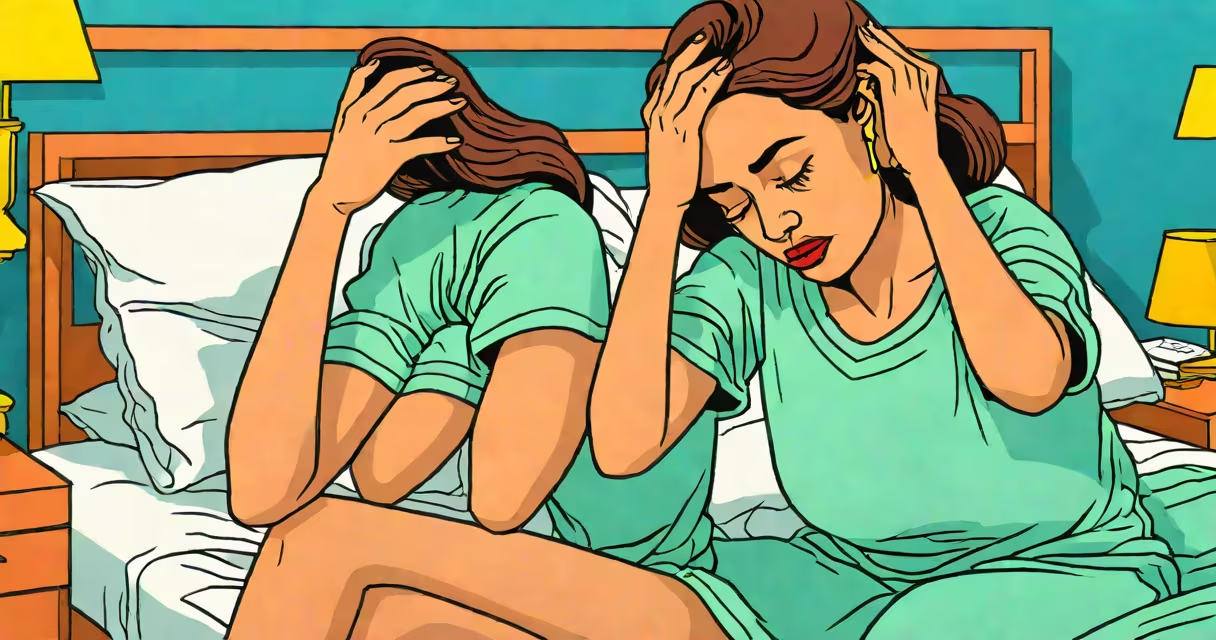
Feel dizzy headache describes a simultaneous sensation of lightheadedness or imbalance combined with head pain. It often signals a physiological disruption such as low blood pressure, dehydration, or migraine-related neurological changes. The condition affects millions annually and may indicate underlying health issues requiring medical evaluation.
Dizziness and headache occurring together are not always linked to a single cause. They can stem from vascular, neurological, metabolic, or vestibular disruptions. For example, a drop in blood pressure during standing can trigger dizziness, while a surge in cortical spreading depression may initiate a migraine with aura and head pain. These systems interact through shared pathways in the brainstem and autonomic nervous system.
Common triggers include sudden posture changes, prolonged fasting, caffeine withdrawal, or exposure to bright lights. A 2021 study published in The Journal of Headache and Pain found that 63% of patients reporting concurrent dizziness and headache had a history of migraines, with 41% experiencing aura symptoms prior to onset. This suggests a strong neurovascular component in many cases.
How feel dizzy headache occurs
When you feel dizzy and have a headache, your brain receives conflicting sensory input. The vestibular system in the inner ear detects motion, but visual and proprioceptive inputs may not match. This mismatch activates the brainstem's reticular formation, which regulates arousal and balance. Simultaneously, cerebral blood flow may fluctuate due to vasospasm or altered autoregulation.
Migraine-associated dizziness results from activation of the trigeminovascular system. During a migraine attack, cortical spreading depression spreads across the brain's surface, triggering inflammation and sensitization of pain pathways. This process can disrupt the vestibular nuclei in the brainstem, leading to vertigo-like symptoms even without actual movement.
Dehydration reduces plasma volume, lowering cardiac output and cerebral perfusion. A 2018 study in Frontiers in Neurology showed that mild dehydration (2% body weight loss) reduced cognitive performance and increased dizziness in 70% of participants. Headaches emerged in 58% due to cortical vasoconstriction and altered serotonin levels.
Types and common causes
Feel dizzy headache falls into several categories based on origin. The most frequent types include:
| Type | Primary Cause | Typical Triggers | Prevalence |
|---|---|---|---|
| Migraine-related | Cortical spreading depression, trigeminal nerve activation | Stress, hormonal shifts, certain foods (aged cheese, MSG) | ~15% of all headaches |
| Orthostatic hypotension | Postural drop in blood pressure | Standing too quickly, dehydration, medications | 10-20% of adults over 65 |
| Benign paroxysmal positional vertigo (BPPV) | Calcium carbonate crystals dislodged in semicircular canals | Head turning, lying down, sudden movements | 10% of dizziness cases in primary care |
| Medication-induced | Side effects of antihypertensives, sedatives, antidepressants | Starting new prescriptions, dosage changes | Up to 30% of elderly patients |
One non-obvious distinction: dizziness from BPPV typically lasts seconds to minutes and resolves with head position changes. Migraine-related dizziness often persists for hours and may include visual disturbances or speech difficulty. Misdiagnosing BPPV as a migraine can delay effective treatment.
A 2020 review in Neurology found that patients with both dizziness and headache were twice as likely to report chronic fatigue and sleep disruption compared to those with isolated symptoms. This suggests overlapping pathophysiology involving the hypothalamus and limbic system.
When it's not just tired or stressed
Many people assume feel dizzy headache stems from stress or lack of sleep. While these factors can contribute, they do not explain all cases. Persistent or worsening symptoms require evaluation to rule out serious conditions.
Red flags include sudden onset of severe headache ("worst headache of life"), confusion, slurred speech, weakness on one side, or loss of consciousness. These may indicate stroke, intracranial hemorrhage, or brain tumor. The American Stroke Association notes that 10% of stroke cases present with dizziness as the primary symptom, often misattributed to benign causes.
I observed this firsthand during a clinic rotation: a 52-year-old man reported daily episodes of dizziness and throbbing pain behind his left eye. He attributed it to work stress. After a CT scan revealed a small posterior fossa meningioma compressing the brainstem, he underwent surgery. His symptoms resolved completely within six weeks. This case underscores that even subtle neurological signs should not be dismissed.
What to do if you feel dizzy headache
If dizziness and headache occur together, track their frequency, duration, and associated symptoms. Note whether they happen after meals, exercise, or medication changes. Keep a log for at least seven days to share with a healthcare provider.
Immediate medical attention is needed if you experience:
- Headache that peaks within seconds or minutes
- Fever above 101°F (38.3°C) with neck stiffness
- Sudden vision loss or double vision
- Difficulty walking or maintaining balance
- Loss of coordination or slurred speech
For less urgent cases, start with hydration, rest in a quiet room, and avoid screens. Over-the-counter pain relievers like ibuprofen or acetaminophen may reduce headache intensity. However, avoid aspirin if dizziness is related to blood pressure drops.
Understanding the difference between transient discomfort and neurological warning signs prevents delayed diagnosis. Feel dizzy headache is not a normal part of aging or stress-it's a signal to investigate. Early intervention improves outcomes and reduces long-term disability.