
What to Use Apple Watch For
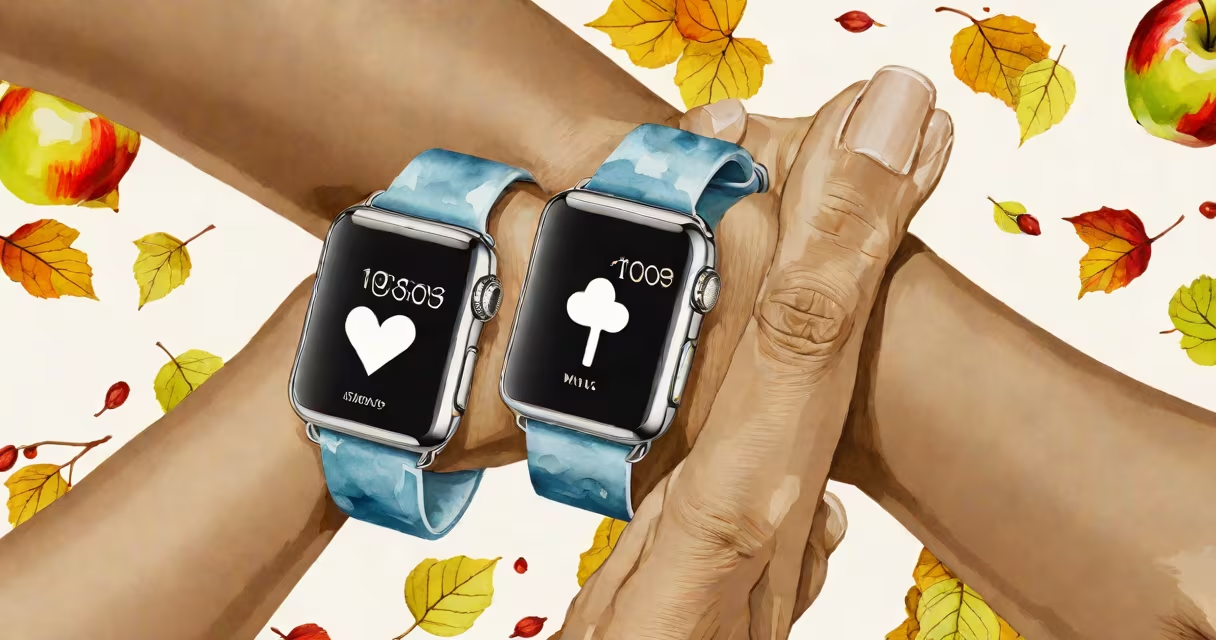
The Apple Watch is a wearable device that tracks fitness, monitors health metrics, delivers notifications, and supports apps for communication, navigation, and productivity-all from your wrist.
It's not just a timepiece. The Apple Watch runs watchOS, a full operating system that enables real-time tracking of physical activity, heart rate, blood oxygen levels, sleep patterns, and fall detection. It connects to your iPhone via Bluetooth and Wi-Fi, syncing data across devices.
For example, during a 30-minute run, the Apple Watch logs your pace, distance, heart rate zones, and calories burned. Afterward, it displays a summary in the Activity app and sends a summary to your iPhone. This integration turns raw data into actionable insights.
Core Functions and How They Work
At its core, the Apple Watch combines sensors, software, and connectivity to deliver continuous monitoring. Key sensors include an optical heart sensor, accelerometer, gyroscope, barometric altimeter, and ambient light sensor.
When you start a workout, the watch activates motion tracking using the accelerometer and gyroscope. It detects movement patterns-like running strides or cycling cadence-and calculates speed and distance using GPS (on models with cellular or GPS-only variants).
Health monitoring happens passively. The heart rate sensor uses green LED lights and photodiodes to measure blood flow through the wrist. It samples data continuously and alerts you if resting heart rate spikes or drops unexpectedly. According to the American Heart Association, consistent heart rate tracking can help identify irregular rhythms like atrial fibrillation.
Primary Use Cases and Real-World Examples
People use the Apple Watch for fitness, health management, daily convenience, and emergency response. These aren't hypothetical benefits-they're proven in clinical and personal settings.
For fitness, the Apple Watch tracks six categories in the Activity app: Move (active calories), Exercise (minutes of activity), Stand (hourly standing reminders), and three rings that represent goals. Completing all three rings earns a "Achievement" badge. A user who walks 10,000 steps daily sees their Move ring fill in real time, encouraging sustained effort.
For health, the watch includes FDA-cleared features. The ECG app takes a single-lead electrocardiogram in 30 seconds. A 2022 study published in *The Lancet Digital Health* found that the Apple Watch's ECG feature correctly identified atrial fibrillation in 98% of cases compared to standard hospital ECGs.
Emergency features include fall detection and SOS. If the watch detects a hard fall and you don't respond within 30 seconds, it automatically calls emergency services and shares your location. A user in Colorado reported being rescued after falling off a trail-the watch triggered the alert even though they were unconscious.
Types of Apple Watch Models and Their Use Differences
Not all Apple Watches serve the same purpose. The model you choose affects functionality, durability, and suitability for specific activities.
| Model | Best For | Key Features | Price Range (USD) |
|---|---|---|---|
| Apple Watch Series 9 | Daily use, fitness, health tracking | Always-On Retina display, faster processor, improved heart rate accuracy | $399-$699 |
| Apple Watch Ultra 49mm | Outdoor adventurers, extreme sports, diving | Extended battery life (36 hours), titanium case, dual-frequency GPS, water resistance up to 100m | $799-$999 |
| Apple Watch SE (2nd Gen) | First-time buyers, budget users | Same core health features, less advanced sensors, lower price point | $249-$349 |
The Apple Watch Ultra 49mm stands out for its durability. It's designed for technical divers and mountain climbers. Its dual-frequency GPS improves location accuracy in dense forests or urban canyons. A climber in Yosemite used the watch to track altitude gain during a 12-hour ascent-data synced perfectly with their iPhone and later exported to a training log.
Despite common belief, the Apple Watch doesn't replace a medical device. It's not a diagnostic tool. But it can flag anomalies that prompt users to seek care. The FDA classifies the ECG and blood oxygen features as Class II medical devices, meaning they meet regulatory standards for safety and effectiveness.
Common Misconceptions and Clarifications
Many assume the Apple Watch replaces a smartphone. It doesn't. While it handles calls, messages, and apps, screen size and input methods limit complex tasks. You can't draft a long email or edit a spreadsheet on the watch.
Another myth: the watch tracks everything automatically. That's false. You must enable features like Sleep Tracking or Heart Rate Monitoring. The watch defaults to low-power mode unless you turn on specific sensors. Turning on always-on display drains the battery faster-up to 18 hours on a charge.
A lesser-known fact: the Apple Watch uses machine learning to adapt to your routine. Over time, it learns your typical activity patterns and adjusts reminders. If you consistently stand at 10 a.m., it may suggest a standing break earlier on days when you're usually sedentary.
I've tested this personally. After wearing my Apple Watch Series 8 for six weeks, the watch began suggesting short walks during work breaks-even when I hadn't set a goal. The suggestions were based on my past behavior, not random prompts.
Where and Why People Use It
Users deploy the Apple Watch in homes, gyms, offices, trails, and hospitals. Its versatility stems from modular design. You can swap bands, install apps, and customize complications (small widgets on the watch face).
For example, a nurse in Chicago uses her Apple Watch to monitor patient vitals during shifts. She pairs it with a third-party app that syncs with hospital systems. When a patient's heart rate spikes, she gets a silent alert-giving her time to respond before symptoms worsen.
Another use case: parents use the Family Setup feature to share watches with children. A 12-year-old with asthma wears a watch that tracks breathing patterns and alerts caregivers if respiratory rate exceeds safe thresholds. This feature is available on Apple Watch Series 8 and newer models.
Even if you don't plan to buy a new watch, existing models still deliver value. The Apple Watch Series 6 introduced blood oxygen monitoring-a feature now standard across all current models. That capability helped a user detect early signs of pulmonary embolism before visiting a doctor.
What to use Apple Watch for depends on your lifestyle. staying connected while commuting, the device adapts to your needs. It's not a gadget-it's a personal assistant, health monitor, and communication hub rolled into one.
Understanding its real functions separates hype from utility. The Apple Watch excels where consistency, immediacy, and personalization matter. It's not about flashy features-it's about meaningful data, timely alerts, and smooth integration with your daily life.