
Headache throbbing behind eye
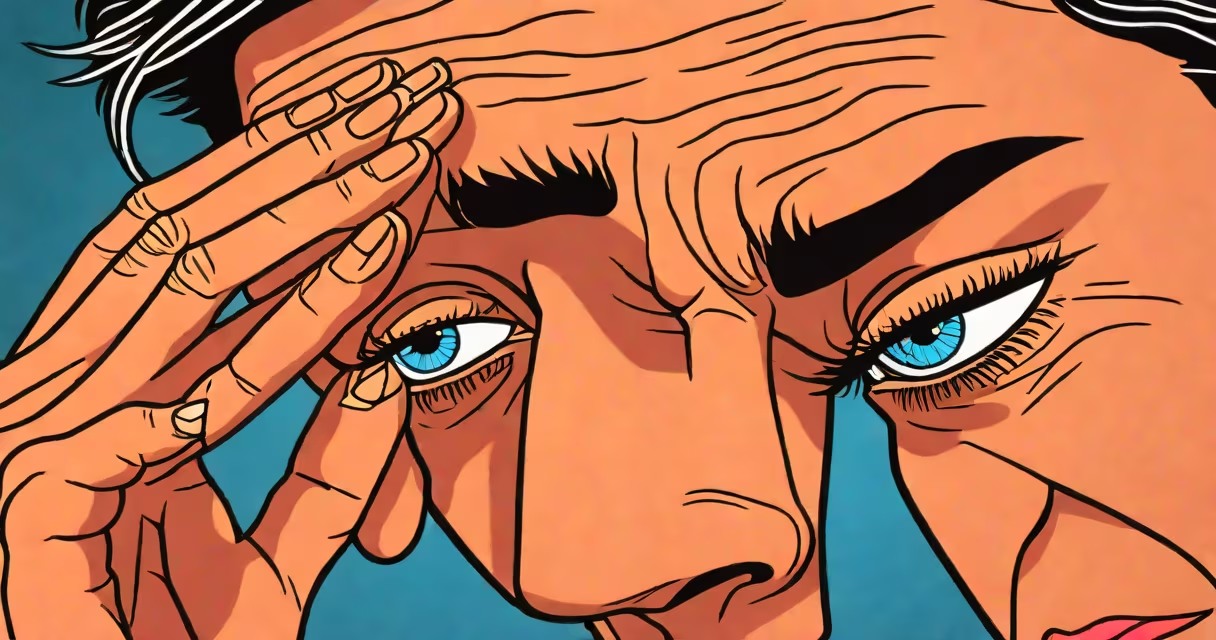
A headache throbbing behind the eye is a sharp, pulsing pain localized to the area behind one eye, often worsening with movement or light. It may stem from migraines, cluster headaches, sinus pressure, or eye strain. This condition frequently affects one side and can last minutes to days.
Throbbing pain behind the eye results from blood vessel dilation, nerve irritation, or inflammation in the trigeminal nerve pathway. The trigeminal nerve, responsible for facial sensation, sends signals through the ophthalmic branch to the eye region. When irritated, it triggers intense, pulsing pain perceived behind the eye. This mechanism underlies both migraines and cluster headaches, though their patterns differ.
Common triggers include bright lights, loud sounds, stress, dehydration, or specific foods like aged cheese or processed meats. Migraine sufferers often report nausea, sensitivity to light and sound, and visual disturbances such as flashing lights or blind spots. Cluster headaches, less common but more severe, occur in cyclical patterns lasting weeks to months, with attacks typically lasting 15 to 180 minutes and hitting at the same time daily.
Types and Causes
Several distinct conditions cause a headache throbbing behind the eye. Migraines account for about 12% of adults globally, according to the World Health Organization. They often begin with an aura-visual distortions or numbness-followed by a throbbing headache usually on one side. The pain may radiate from the eye toward the temple or forehead.
Cluster headaches affect about 0.1% of the population, mostly men between ages 20 and 50. Attacks occur in clusters, sometimes multiple times a day, and are described as "boring" or "drilling" pain behind one eye. These episodes are often linked to alcohol consumption and smoking, though the exact cause remains unclear.
Sinusitis can mimic a throbbing headache behind the eye. When sinuses inflame due to infection or allergies, pressure builds in the frontal and ethmoid sinuses near the eyes. Pain worsens when bending forward and may be accompanied by thick nasal discharge or fever. A CT scan confirms sinus involvement.
| Type | Pain Location | Durations | Common Triggers | Distinctive Features |
|---|---|---|---|---|
| Migraine | One side, behind eye or temple | 4-72 hours | Stress, caffeine, certain foods | Often includes aura, nausea, photophobia |
| Cluster headache | Severe, behind one eye | 15-180 min | Alcohol, smoking, circadian rhythm | High frequency, daily attacks during cycle |
| Sinusitis | Frontal/ethmoid sinuses | Days to weeks | Allergies, colds, infections | Pressure, nasal congestion, fever |
Eye strain from prolonged screen use can also produce a throbbing ache behind one eye. Digital eye strain affects nearly 60% of people who spend more than four hours daily on screens, per the American Optometric Association. Symptoms include dry eyes, blurred vision, and a dull, persistent ache behind the eye. The pain typically improves with rest and screen breaks.
When It's Not Just a Headache
Not all pain behind the eye is neurological. Glaucoma, a condition involving increased intraocular pressure, can cause a deep, aching pain behind the eye. Left untreated, it leads to permanent vision loss. Early signs include seeing halos around lights and gradual peripheral vision loss. Diagnosis requires tonometry and optic nerve imaging.
Temporal arteritis-a rare inflammatory condition affecting medium-to-large arteries-can cause a throbbing headache behind one eye, especially in people over 50. It's a medical emergency. Symptoms include scalp tenderness, jaw claudication (pain when chewing), and sudden vision changes. Delayed treatment risks irreversible blindness. A positive temporal artery biopsy confirms diagnosis.
One non-obvious distinction: migraines often involve nausea and vomiting, while cluster headaches do not. Cluster attacks are more likely to include tearing, redness, or swelling on the affected side. Migraines may be preceded by an aura, which cluster headaches never are. Recognizing these differences aids accurate diagnosis.
Real-World Example: A Patient's Experience
In 2021, a 34-year-old software developer reported a recurring throbbing headache behind his left eye. He described it as "like a drill behind my eye," lasting 45 minutes, occurring five times weekly. The pain was always on the same side, accompanied by a runny nose and watery eye. He had no aura or nausea.
After ruling out sinusitis via CT scan and migraines via neurology evaluation, he was diagnosed with cluster headache. Treatment included oxygen therapy (15 liters/min via non-rebreather mask), which reduced attack duration from 45 to 10 minutes within two weeks. Preventive medication (verapamil) reduced frequency to one episode per month.
This case illustrates how precise symptom tracking and diagnostic testing differentiate cluster headaches from migraines-even when both present behind the eye.
Seeking Care and Next Steps
If a headache throbbing behind the eye occurs more than once a week, lasts longer than 72 hours, or includes new neurological symptoms like weakness, confusion, or vision loss, consult a healthcare provider immediately. Red flags include sudden onset, worsening pain, or fever.
For mild, infrequent episodes, over-the-counter NSAIDs like ibuprofen or acetaminophen may relieve pain. However, frequent use increases risk of rebound headaches. The American Academy of Neurology recommends limiting analgesics to fewer than 15 days per month.
Prevention strategies include consistent sleep, hydration, stress management, and screen breaks. A 20-minute break every hour reduces eye strain-related pain by up to 60%, according to a 2022 study in *Ophthalmic & Physiological Optics*.
Understanding the difference between a headache throbbing behind the eye and other conditions ensures timely treatment. Whether it stems from migraines, cluster patterns, or eye strain, identifying the root cause leads to effective relief. Persistent or worsening pain demands professional evaluation to prevent complications.
Recognizing the pattern of a headache throbbing behind the eye helps determine whether self-care suffices or specialist intervention is needed. Early diagnosis prevents long-term issues and restores quality of life.