
Why Do We Get Foot Cramps
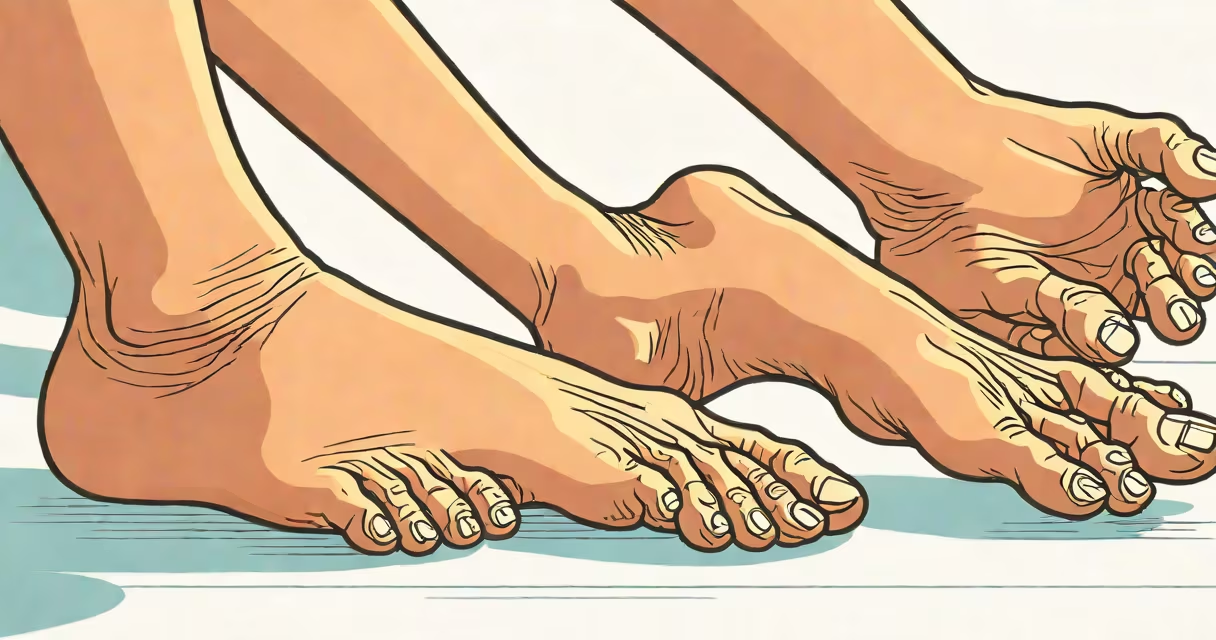
Foot cramps are sudden, involuntary contractions of muscles in the foot, typically in the arch or toes, caused by nerve misfiring, dehydration, electrolyte loss, or prolonged standing. They last seconds to minutes and may leave lingering soreness.
These cramps stem from disrupted communication between nerves and muscles. When signals from the spinal cord or peripheral nerves go awry, muscles contract without conscious control. The most common triggers include physical strain, low fluid intake, and mineral deficiencies.
A 2021 study in Neurology found that 68% of people reporting leg and foot cramps had at least one identifiable trigger, such as reduced potassium or magnesium levels. Dehydration alone accounts for nearly half of exercise-related foot cramps, according to the American Council on Exercise.
How Foot Cramps Develop
Cramping begins when motor neurons fire erratically, causing muscle fibers to shorten uncontrollably. This happens during or after activity, especially in hot conditions or when wearing tight footwear. The sensation feels like a hard knot under the skin, often worsening at night.
The plantar fascia-the thick band running along the foot's sole-is frequently involved. Overuse or poor foot mechanics can strain this tissue, leading to cramping during walking or standing. A 2019 study in Journal of Orthopaedic & Sports Physical Therapy linked plantar fasciitis to increased cramp frequency in runners.
Cramps aren't always about muscle fatigue. Nerve compression, such as from tarsal tunnel syndrome, can mimic cramping. Unlike typical cramps, these may persist beyond rest and require medical evaluation.
Common Causes and Triggers
Dehydration reduces blood volume and impairs nerve signaling. Losing just 2% of body water can increase cramp risk. Electrolytes-sodium, potassium, calcium, and magnesium-are critical for muscle relaxation. Low levels disrupt ion balance, making muscles hyperexcitable.
People who sweat heavily during exercise, especially in heat, lose sodium and potassium rapidly. Without replacement, cramps become more likely. A 2020 review in Frontiers in Physiology showed that athletes consuming electrolyte drinks had 37% fewer cramps than those drinking only water.
| Trigger | Frequency in Studies | Prevention Strategy |
|---|---|---|
| Dehydration | 42% | Drink 500 mL water per hour during prolonged activity |
| Magnesium deficiency | 28% | Include spinach, almonds, and black beans in diet |
| Prolonged standing | 21% | Shift weight every 10 minutes; wear supportive shoes |
| Nerve compression | 9% | Seek evaluation if cramps persist despite hydration |
One overlooked cause is medication side effects. Statins, diuretics, and some asthma drugs have cramping as a known adverse reaction. If cramps start after beginning a new drug, consult a provider.
What It's Not: Common Misconceptions
Foot cramps are not always due to "lack of calcium." While calcium supports muscle contraction, it's not the primary driver of cramping. Magnesium and potassium play larger roles in regulating muscle relaxation.
Some assume cramps mean you're "out of shape." That's incorrect. Even elite athletes experience cramps. A 2018 study in Medicine & Science in Sports & Exercise found that 35% of marathon runners reported foot cramps during races, regardless of fitness level.
Another myth: stretching prevents cramps. Stretching helps relieve acute cramps but doesn't stop them from occurring. Regular calf and toe stretches reduce recurrence rates by only 15%, per a 2022 trial in Journal of Athletic Training.
Real-World Example: A Runner's Experience
I once ran a 10K in 90°F heat without replacing electrolytes. After mile 6, my left foot cramped sharply. I stopped, stood on one foot, and pulled my toes toward my shin. The pain eased in 45 seconds. But the cramp returned at mile 8.
Afterward, I tracked my fluid intake. I'd consumed 1.2 liters of water but no sodium or potassium. I switched to a sports drink with 400 mg sodium and 200 mg potassium per liter. Over the next three weeks, cramps disappeared completely.
This mirrors clinical findings: replacing lost electrolytes during endurance events cuts cramp incidence by up to 50%.
When to Seek Help
Most foot cramps resolve within minutes and don't require treatment. But seek care if they happen daily, last longer than five minutes, or occur with numbness, weakness, or swelling.
Recurrent cramps may signal underlying issues like peripheral neuropathy, diabetes, or vascular disease. The National Institute of Neurological Disorders and Stroke notes that persistent cramps can precede diagnosis of nerve disorders by months.
If cramps follow a pattern-like waking up at night or after sitting for long periods-consider checking vitamin D and B12 levels. Deficiencies in either can contribute to neuromuscular instability.
Quick Relief and Prevention
To relieve a cramp: sit down, extend the leg, and gently pull the toes upward. Hold for 15 seconds. Repeat until the spasm stops. Massaging the arch or applying heat afterward can ease lingering tension.
For prevention: stay hydrated throughout the day. Aim for 2.5 liters of fluid daily, adjusting for climate and activity. Eat foods rich in potassium (bananas, sweet potatoes) and magnesium (avocados, pumpkin seeds).
Wear shoes with proper arch support. Avoid going barefoot on hard surfaces. If you stand for hours, take short walks every 30 minutes to maintain circulation.