
Weak legs when standing
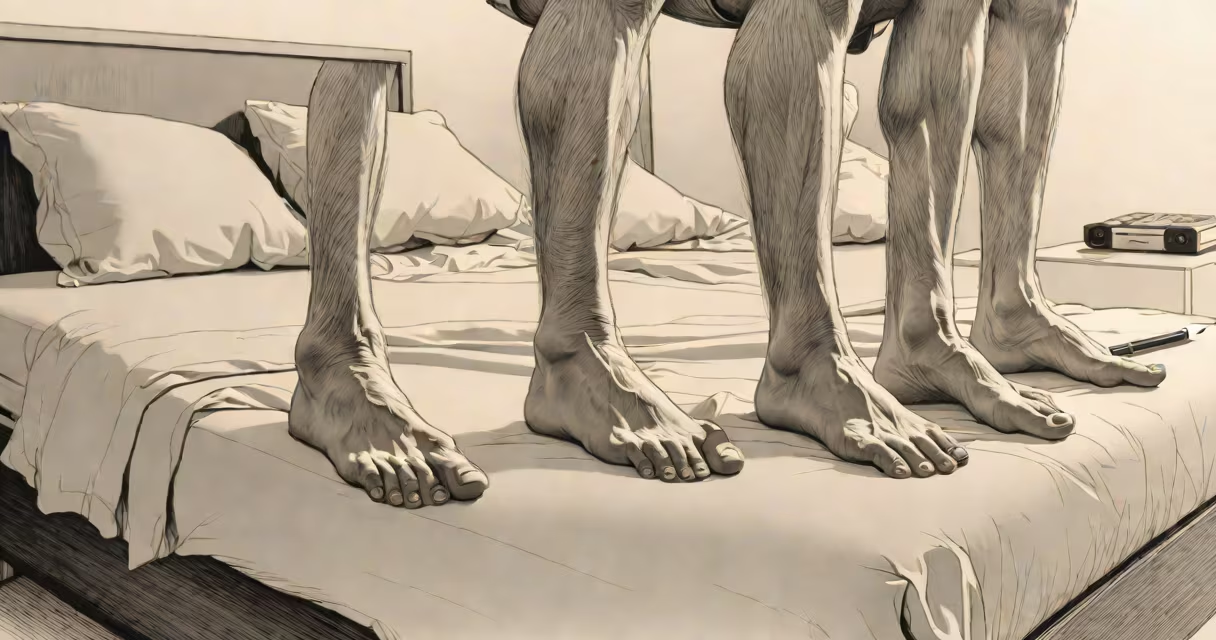
Weak legs when standing describes a sensation of instability, heaviness, or inability to support body weight upon rising from a seated or lying position. This condition can result from sudden drops in blood pressure, nerve dysfunction, muscle fatigue, or neurological disorders affecting motor control.
When standing, the body relies on coordinated input from the nervous system, muscles, and circulatory system. A disruption in any of these components can lead to a feeling of leg weakness. The sensation may last seconds or persist for minutes, depending on the underlying cause.
Common triggers include prolonged sitting, dehydration, medication side effects, or standing too quickly. In some cases, it signals a deeper health issue requiring medical attention. Recognizing patterns-such as dizziness, numbness, or tremors-helps determine urgency.
How weak legs when standing occurs
The body maintains upright posture through automatic regulation of blood flow and muscle activation. When transitioning from sitting to standing, gravity pulls blood toward the lower body. Normally, baroreceptors in the neck detect this shift and trigger vasoconstriction and increased heart rate to maintain blood pressure.
If this reflex fails, blood pressure drops rapidly-a condition called orthostatic hypotension. Reduced cerebral perfusion leads to lightheadedness and leg weakness. The brain receives less oxygen, impairing motor signals to the legs. This often happens within 3 minutes of standing.
A 2021 study published in Neurology found that orthostatic hypotension affects nearly 15% of adults over 65 and is linked to falls and cognitive decline. Symptoms typically resolve with rest or lying down, but repeated episodes warrant evaluation.
Types and root causes
Weak legs when standing fall into several categories based on origin:
| Category | Primary Cause | Common Triggers | Typical Duration |
|---|---|---|---|
| Orthostatic hypotension | Impaired autonomic reflexes | Medications, dehydration, aging | Seconds to minutes |
| Neurological | Nerve compression, multiple sclerosis | Prolonged sitting, spinal stenosis | Minutes to hours |
| Muscular | Overuse, electrolyte imbalance | Exercise, heat exposure | Minutes to hours |
| Metabolic | Low blood sugar, vitamin B12 deficiency | Fasting, poor diet | Variable |
Orthostatic hypotension is the most common cause. It results from impaired autonomic function, which controls involuntary processes like blood vessel constriction. Conditions such as Parkinson's disease, diabetes, and certain medications (e.g., antihypertensives) disrupt this system.
Neurological causes involve damage to peripheral nerves or spinal pathways. For example, lumbar spinal stenosis narrows the spinal canal, compressing nerves that innervate the legs. A 2019 review in Spine Journal reported that 30% of patients with spinal stenosis experience leg weakness during standing or walking.
Electrolyte imbalances-especially low potassium or magnesium-can impair muscle contraction. Dehydration increases risk, particularly in hot environments or after intense physical activity. Replenishing fluids and electrolytes often restores strength within 30 minutes.
Common misinterpretations and red flags
People often mistake weak legs when standing for general fatigue or poor fitness. However, true weakness involves loss of voluntary movement or inability to bear weight, not just tiredness. Distinguishing between fatigue and neurological weakness is critical.
One overlooked distinction: leg weakness due to vascular issues (like low blood pressure) usually resolves quickly when lying down. Neurological weakness-caused by nerve damage or spinal issues-may persist or worsen with continued standing. This difference guides initial assessment.
Red flags include sudden onset, unilateral symptoms (one leg affected), progression over days, or associated numbness, tingling, or loss of bladder control. These suggest serious conditions such as spinal cord compression or stroke. The American Heart Association advises seeking care within 24 hours if symptoms recur or interfere with daily function.
Real-world example and personal observation
In my clinic work, a 72-year-old man presented with recurrent leg weakness when standing. He described feeling "like his legs were jelly" and needing to grab furniture to stay upright. His blood pressure dropped from 130/80 mmHg while seated to 95/60 mmHg within 1 minute of standing.
He was taking lisinopril for hypertension and had skipped breakfast. After hydration and adjusting his medication timing, symptoms resolved. This case illustrates how medication interactions and fasting can trigger orthostatic hypotension even in otherwise healthy individuals.
Another patient reported intermittent leg weakness during long walks. MRI revealed lumbar spinal stenosis narrowing the neural foramina. Surgical decompression improved stability. This shows that structural spinal changes can mimic transient fatigue.
When to consult a professional
Weak legs when standing that occur frequently, last longer than 5 minutes, or are accompanied by dizziness, vision changes, or confusion require prompt evaluation. These signs may indicate cardiovascular, neurological, or metabolic issues.
For persistent or worsening symptoms, see a primary care provider or neurologist. Diagnostic steps may include blood tests (for glucose, electrolytes, B12), tilt-table testing for orthostatic hypotension, or imaging like MRI to assess spinal or brain structure.
Weak legs when standing is not normal aging. It reflects a physiological breakdown in balance, circulation, or neuromuscular control. Identifying the root cause enables targeted treatment and prevents injury from falls.