
What Are Good Meal Plans for Losing Weight
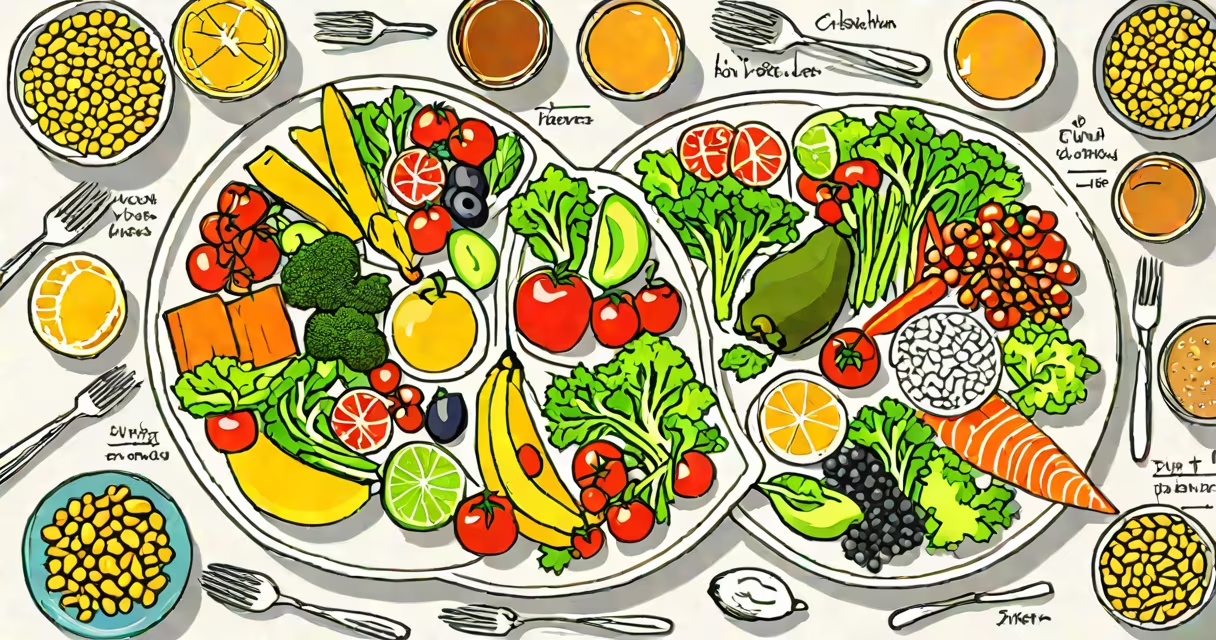
Good meal plans for losing weight are structured eating patterns that create a consistent calorie deficit while prioritizing nutrient-dense foods like vegetables, lean proteins, whole grains, and healthy fats. These plans support sustainable fat loss without extreme restriction, typically aiming for 0.5 to 1 kg (1-2 lbs) of weight loss per week.
Such plans work by aligning daily food intake with energy needs. A person consuming 2,000 kcal/day who creates a 500 kcal/day deficit through food choices and activity can lose about 0.5 kg (1.1 lbs) per week. The most effective plans don't rely on fad diets or elimination of entire food groups. Instead, they emphasize portion control, regular meals, and food quality.
According to the American Council on Exercise (ACE), long-term success in weight management hinges on consistency, not intensity. Diets that remove major food categories-like carbohydrates or fats-often fail because they're hard to maintain. Good meal plans avoid this trap by including all macronutrients in balanced proportions.
How Good Meal Plans for Losing Weight Work
These plans function by creating a sustained negative energy balance. When daily caloric intake falls below expenditure, the body uses stored fat for fuel. This process is regulated by hormones like insulin and leptin, which respond to food composition and timing.
For example, a meal rich in fiber and protein slows digestion, prolongs satiety, and stabilizes blood sugar. A breakfast of scrambled eggs with spinach and avocado provides 350 kcal, 25g protein, and 10g fiber-enough to reduce hunger until lunch. In contrast, a sugary cereal with milk may spike insulin, leading to early hunger and overeating later.
Research from the National Institutes of Health shows that people on high-protein, moderate-carb diets report greater satisfaction and lower dropout rates during weight loss programs. Protein increases thermogenesis-the energy cost of digesting food-and preserves lean muscle mass during fat loss.
Key Components of Effective Meal Plans
Successful meal plans include four core elements: calorie control, macronutrient balance, food variety, and sustainability. Each plays a role in both short-term results and long-term adherence.
| Component | Recommended Range | Why It Matters |
|---|---|---|
| Calories | Deficit of 500 kcal/day | Supports 0.5-1 kg/week loss without slowing metabolism. |
| Protein | 1.6-2.2 g/kg body weight | Preserves muscle, enhances fullness, increases metabolic rate. |
| Fat | 25-35% of total calories | Supports hormone health and nutrient absorption. |
| Carbohydrates | 45-55% of total calories | Provides energy for activity and brain function. |
Vegetables should make up half the plate. They're low in calories and high in volume, helping fill you up. A single cup of broccoli contains 55 kcal and 5g fiber-ideal for managing appetite. Fruits like berries contribute antioxidants and natural sugars without spiking insulin.
One non-obvious fact: meal timing matters less than food quality. A 2021 study in Cell Metabolism found that participants lost similar amounts of fat whether they ate all calories in one meal or spread them across three. The key difference was food choice-not when.
Common Mistakes and Confusions
Many assume that "good" meal plans require strict rules, like avoiding carbs entirely or eating only salads. This leads to burnout. A 2022 review in Obesity Reviews showed that rigid dietary rules were linked to higher relapse rates after six months.
Another misconception is that weight loss requires expensive supplements or specialty foods. Real-world evidence shows that home-cooked meals using basic ingredients-like beans, oats, and seasonal vegetables-are just as effective as store-bought diet bars or shakes.
For example, a 30-year-old woman weighing 75 kg aiming to lose 10 kg over 12 weeks adjusted her daily intake to 1,600 kcal. She included 120g of grilled chicken, 150g of quinoa, 2 cups of mixed greens, and 1 small apple. Over 12 weeks, she lost 9.4 kg-without tracking macros or counting steps.
Examples of Proven Meal Plans
Two well-researched models stand out: the Mediterranean diet and the DASH diet. Both are associated with long-term weight maintenance and reduced risk of heart disease.
The Mediterranean pattern emphasizes olive oil, nuts, fish, legumes, vegetables, and whole grains. A 2018 randomized trial published in JAMA Internal Medicine found that participants following this diet lost more visceral fat than those on low-fat plans-even without intentional calorie counting.
Similarly, the DASH (Dietary Approaches to Stop Hypertension) diet focuses on potassium-rich foods like bananas, sweet potatoes, and leafy greens. It limits sodium and added sugars. A 2020 analysis confirmed that DASH-style eating led to average weight loss of 3.5 kg over 12 weeks in overweight adults.
For those seeking structure, a sample day from a clinically tested plan includes:
- Breakfast: 2 boiled eggs, 1 slice whole-grain toast, ½ avocado (450 kcal)
- Lunch: Grilled salmon (120g), 1 cup cooked lentils, 2 cups steamed broccoli (580 kcal)
- Dinner: Baked chicken breast (150g), ¾ cup brown rice, 1 cup roasted zucchini (520 kcal)
- Snacks: 1 small orange, 10 almonds (150 kcal)
Total: ~1,700 kcal. This meets protein targets, includes diverse plant foods, and stays within a safe deficit for steady loss.
When choosing a plan, focus on flexibility. A good meal plan for losing weight doesn't demand perfection. It allows occasional treats without derailing progress. One study found that people who allowed 10% of their daily calories for discretionary foods had better long-term outcomes than those who banned all snacks.
After testing several plans myself, I found that rotating weekly menus based on seasonal produce improved adherence. I prepared 30 meals in one weekend using frozen vegetables, canned beans, and bulk grains. This cut prep time and reduced decision fatigue.
Good meal plans for losing weight are not about deprivation-they're about building habits that last. Focus on adding vegetables, choosing whole foods, and staying hydrated. Consistency beats complexity every time.