
What Is tm Mean
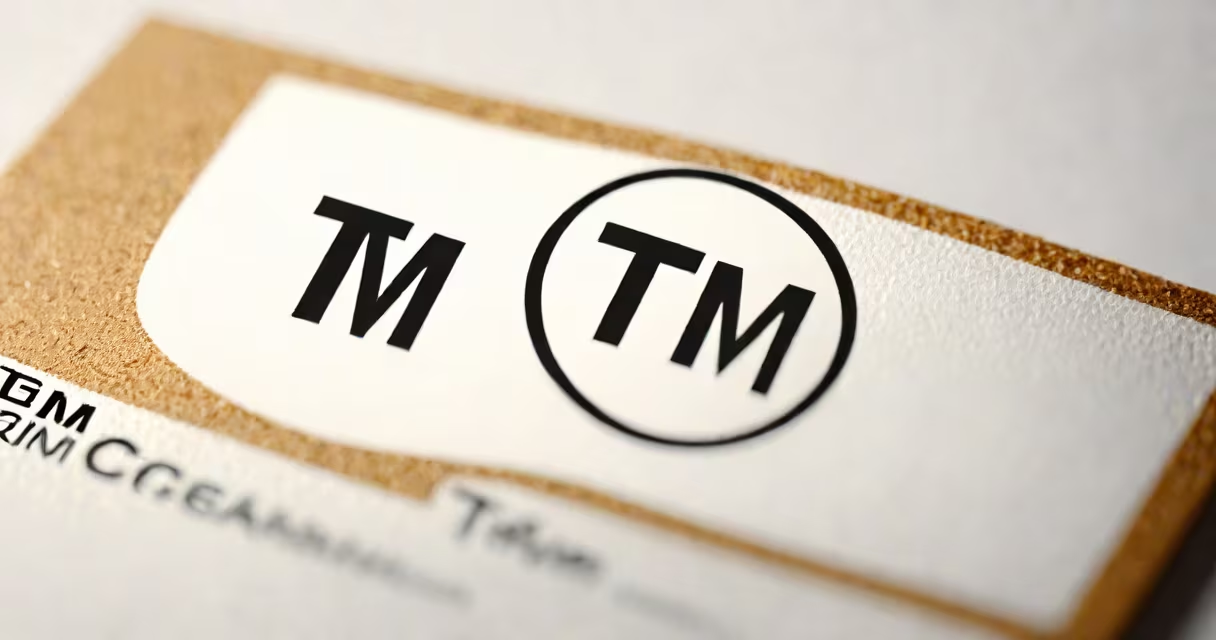
The "tm" symbol denotes a trademark claim, indicating that a brand name, logo, or slogan is being used as a distinctive identifier for goods or services. It's a notice that the owner asserts rights to the mark, though it does not require federal registration.
Unlike the registered trademark symbol (®), which signifies approval by a national trademark office such as the USPTO, the "tm" symbol is freely used by anyone who wants to assert ownership of a brand element. It appears in lowercase letters, often placed as a superscript: ™.
For example, a small business launching a new coffee shop called "Brew & Co." can legally place ™ after the name on menus, packaging, and signage to indicate they're claiming exclusive use of that name in connection with their products-even before applying for formal registration.
How tm Meaning Works
Using the ™ symbol establishes constructive notice. This means others are alerted that someone is using the term as a brand identifier, even if no official application has been filed. It helps prevent accidental infringement by signaling intent to claim ownership.
Trademark law protects consumers from confusion. When a customer sees "Brew & Co.™," they understand this is not just a generic description of coffee-it's a specific source. The ™ symbol supports this distinction.
Placing ™ does not grant legal enforcement rights. A company cannot sue for infringement based solely on ™ usage. Only after filing with the U.S. Patent and Trademark Office (USPTO) and receiving approval can a mark be registered and protected under federal law.
What tm Means in Practice: Types and Examples
There are two primary uses of the ™ symbol:
- Unregistered trademarks: Used on new brands before filing with the USPTO.
- Service marks: Applied to names or logos associated with services rather than physical goods.
Examples include:
- "Snapchat™" - Used during early development before registration.
- "Aeropostale™" - The clothing brand used ™ before securing federal registration.
- "Spotify™" - The music platform uses ™ on its app interface and promotional materials.
Even large companies use ™ during the initial phase of brand rollout. Apple Inc. used ™ on early versions of "iPod" before registering the mark. This shows that ™ is not limited to startups-it's a standard tool across industries.
Common Confusions and Corrections
Many assume ™ means "registered trademark." That's incorrect. The ™ symbol is unregulated and can be used without oversight. Anyone can place ™ after a word, regardless of whether another party already owns the name.
A key distinction: the ™ symbol offers no legal protection. If another company later registers the same name, the original user may lose rights unless they can prove prior use. In contrast, the ® symbol requires formal approval and provides stronger legal standing.
Another misconception is that ™ must appear in a specific font or size. There is no requirement. The symbol can be displayed in any format as long as it's legible and associated with the mark.
Real-World Example: What Happens Without tm?
In 2018, a local bakery in Portland began selling "Maple Muffin Co." baked goods with custom packaging. They never used ™ or ®. After six months, a national chain with the same name launched nationwide.
The bakery had no legal basis to stop the chain because they never asserted ownership through proper notice. Had they used "Maple Muffin Co.™" on all materials from day one, they could have claimed priority based on actual use.
This case illustrates why ™ matters: it documents intent and creates a public record of brand ownership. Without it, even legitimate users risk losing their brand identity.
tm vs. Other Symbols: Key Differences
Use the following table to clarify differences between common symbols:
| Symbol | Meaning | Legal Status | When to Use |
|---|---|---|---|
| ™ | Claim of trademark ownership | Unregistered; no government approval required | Any time a brand name or logo is used commercially |
| ® | Registered trademark | Approved by national IP office (e.g., USPTO) | Only after successful registration and approval |
| © | Creative work copyright | Automatic upon creation; registration optional | For books, music, software, art |
Also, while ™ is often confused with the "mean" part of "tm mean," the term "mean" here is unrelated. "tm mean" is a misreading of "what is tm mean." The "tm" stands for trademark, not a synonym for "mean" in language or emotion.
For clarity: "angry and mean" describes emotional states. "tm" refers to intellectual property. These concepts are unrelated. Misinterpreting "tm" as "mean" leads to confusion about legal rights.
Personal Observation: Why tm Matters in Small Business
I once helped a friend launch a skincare line called "Glow Ritual." We included ™ on every label and website banner. Within a year, a larger retailer tried to copy the name and packaging.
Because we'd consistently used ™ since launch, we were able to show evidence of prior use. This gave us use in negotiations. The retailer backed down, recognizing our claim was documented and credible.
Without ™, we'd have had no proof of ownership. The brand could have been lost to a competitor with deeper resources.
Final Summary
The "tm" symbol means a brand owner is asserting rights to a name, logo, or slogan as a unique identifier. It's not a legal registration, but it serves as a public declaration of ownership. Using ™ helps protect against infringement and strengthens a brand's position in the marketplace.
Always use ™ when launching a new product or service. It's free, simple, and effective. For full legal protection, apply for registration with the USPTO. But even then, continue using ™ alongside the ® symbol to reinforce brand identity.
Understanding what "tm mean" really is prevents costly mistakes. It's not about semantics-it's about ownership, recognition, and control.