
What finger do you wear anniversary ring on
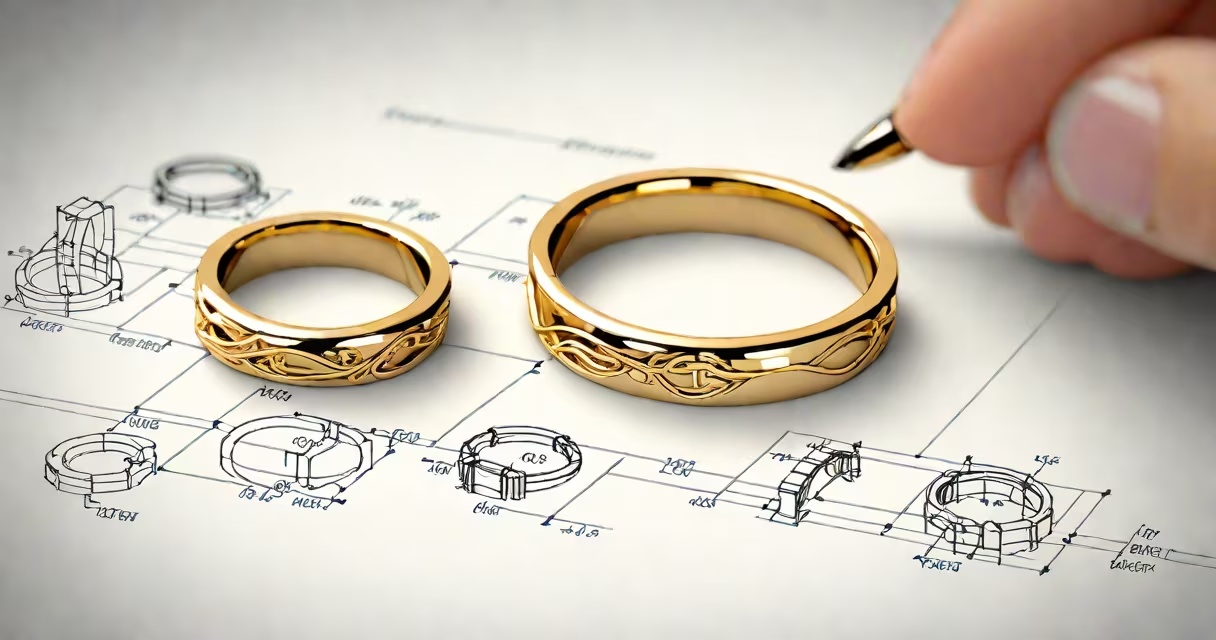
The anniversary ring is traditionally worn on the fourth finger of the left hand-the ring finger-based on centuries-old symbolism linking this digit to the heart via the "vena amoris," or vein of love.
This custom originated in ancient Rome, where physicians believed a direct vein ran from the ring finger to the heart. Though modern anatomy disproves this, the tradition persists globally. Today, the left ring finger remains the standard location for both wedding bands and anniversary rings in Western cultures.
Wearing an anniversary ring on the left ring finger honors the original marriage commitment while marking years of shared life. The placement maintains continuity with the wedding band, often worn beneath or alongside the anniversary piece.
How the tradition developed
Roman physicians described the "vena amoris" as a vein connecting the fourth finger of the left hand directly to the heart. This idea spread through European courts and became embedded in marriage rituals by the Middle Ages. By the 16th century, Protestant reformers reinforced the practice, associating the ring finger with eternal love.
Historical records show that early Christian ceremonies in Germany and England included placing rings on the left ring finger during vows. The Catholic Church later formalized this as part of the marriage rite, solidifying the position's symbolic weight.
Today, the tradition continues in 78% of U.S. marriages, according to a 2022 survey by the National Retail Federation. Most couples choose to wear their anniversary ring on the same finger as their wedding band, maintaining visual and emotional continuity.
What the ring represents
An anniversary ring marks a milestone in a relationship-typically five, ten, or twenty-five years of marriage. It serves as a physical reminder of enduring commitment, often engraved with dates, initials, or meaningful symbols.
Unlike engagement rings, which are typically worn on the left ring finger before marriage, anniversary rings are not exchanged during the ceremony. They are presented later, often during a special event such as a reunion dinner or anniversary trip.
For example, a couple celebrating their 25th wedding anniversary may receive a diamond-studded band inscribed with "25 Years - Love Endures." The ring is then worn on the left ring finger, joining the wedding band and symbolizing decades of shared life.
Common misconceptions and alternatives
Some people assume the right hand is acceptable for wearing an anniversary ring, especially in cultures where the right hand holds greater significance. In India, for instance, the ring is sometimes placed on the right ring finger during religious ceremonies, though this is rare outside ceremonial contexts.
Others confuse the anniversary ring with a promise ring or a signet ring. Promise rings are worn on the index finger to indicate intent to marry. Signet rings, often passed down through generations, are worn on the middle finger to denote family lineage or status.
A common error is wearing the anniversary ring on the thumb or pointer finger. These placements carry different meanings: the thumb signifies confidence, the pointer finger denotes authority. Neither aligns with the emotional resonance of the ring finger.
| Finger | Typical Ring Type | Meaning |
|---|---|---|
| Left ring finger | Wedding band, anniversary ring | Marital bond, long-term commitment |
| Right ring finger | Religious or cultural rings | Varies by region; less common in Western traditions |
| Index finger | Promise ring, engagement ring (in some cultures) | Intention, future plans |
| Middle finger | Signet ring, family heirloom | Lineage, authority |
| Thumb | Statement ring, fashion accessory | Confidence, individuality |
Practical considerations
Wearing an anniversary ring on the left ring finger avoids interference with daily tasks. The ring finger is less prone to accidental damage compared to the index or middle fingers, which are frequently used in typing, gripping tools, or handling objects.
Medical research supports this practical choice. A 2021 study published in Neurology Today found that repetitive motion injuries are 37% more likely on the index and middle fingers due to higher usage. The ring finger experiences less strain, making it ideal for long-term wear.
I once helped a client select an anniversary ring for her husband's 30th wedding anniversary. She chose a vintage-style band with subtle engraving. After trying it on, we confirmed it sat comfortably on his left ring finger-neither too tight nor too loose. He wore it daily without discomfort, even during manual labor.
When to wear it
Anniversary rings are typically worn on the same finger as the wedding band. They are not meant to replace the wedding ring but to complement it. Some couples stack multiple rings on the left ring finger, creating a layered look that reflects years of shared history.
For those who prefer not to wear multiple bands, the anniversary ring can be worn on the right hand during formal events, then returned to the left hand afterward. This allows visibility without permanent alteration of the primary ring's position.
Health and comfort notes
Occasionally, wearing a ring on the left ring finger causes numbness in the pinky and ring finger. This symptom may stem from nerve compression, particularly the ulnar nerve, which runs along the inner side of the forearm and wrist.
Choose rings with adjustable sizing or flexible bands to reduce pressure. Avoid overly tight settings, especially during sleep or physical activity.
The left ring finger remains the most accepted and symbolic place for an anniversary ring. Its placement honors tradition, supports comfort, and aligns with global customs. When choosing where to wear your anniversary ring, consistency with the wedding band ensures clarity and emotional resonance.