
Stomach cramps after flu
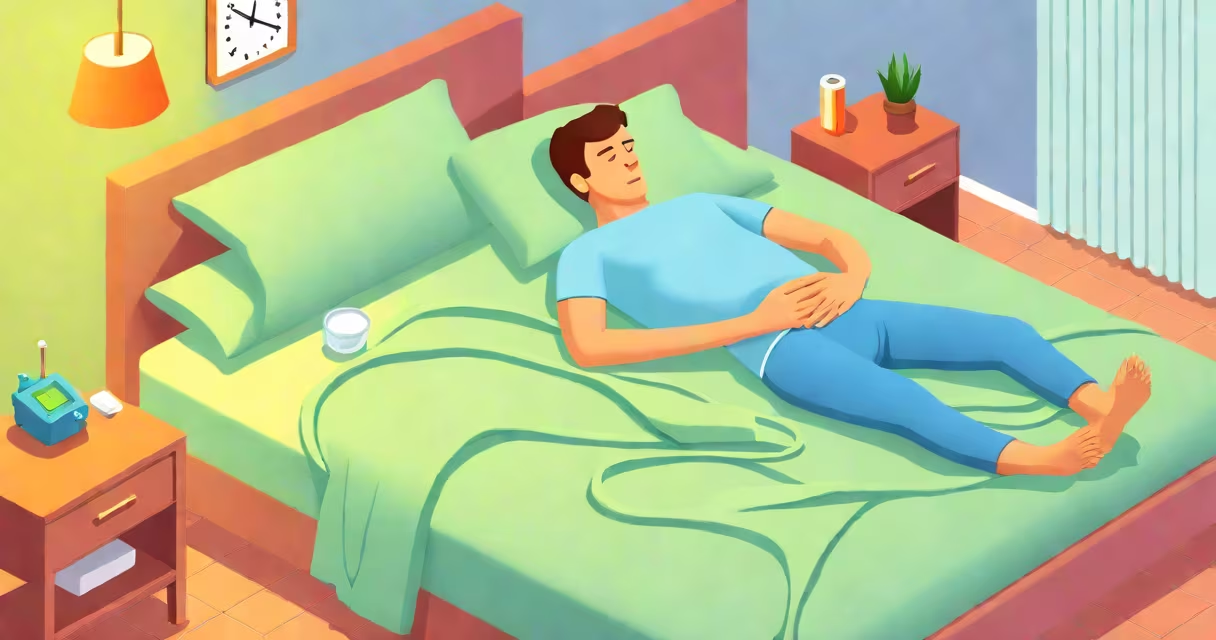
Stomach cramps after flu are painful, involuntary contractions of the abdominal muscles triggered by inflammation and irritation in the intestines during recovery from viral gastroenteritis. These cramps typically appear 2-5 days after initial flu symptoms subside and may last up to a week.
They result from the body's immune response to the virus, which damages the lining of the small intestine and disrupts normal digestion. As the gut heals, nerve signals become hypersensitive, causing spasms even without food presence. This process is well-documented in clinical studies on post-viral gastrointestinal dysfunction.
Cramps often worsen with movement, eating, or dehydration. They're distinct from nausea or diarrhea, though those symptoms may co-occur. The condition affects approximately 30% of adults recovering from norovirus or rotavirus infections, according to the Centers for Disease Control and Prevention (CDC).
How stomach cramps after flu develop
The flu virus, particularly strains causing acute gastroenteritis, invades the epithelial cells lining the small intestine. This triggers localized inflammation, reducing nutrient absorption and increasing intestinal permeability. As immune cells flood the area, they release cytokines that heighten nerve sensitivity in the gut wall.
During recovery, the enteric nervous system - often called the "second brain" - becomes hyperactive. This leads to uncoordinated muscle contractions in the bowel wall, manifesting as cramping. The sensation is usually described as sharp, wave-like pain centered in the lower abdomen, sometimes radiating to the back or hips.
A 2021 study published in Gastroenterology found that patients who experienced post-viral cramps had elevated levels of interleukin-6 (IL-6) in stool samples, indicating ongoing mucosal inflammation even after symptom resolution.
Types and triggers of post-flu cramps
Cramps vary in intensity and timing based on individual physiology and viral load. The most common patterns include:
| Type | Onset | Duration | Common Triggers |
|---|---|---|---|
| Mild spasms | Day 3-5 post-illness | 1-3 days | Dehydration, early reintroduction of solid foods |
| Recurrent cramping | Day 5-7 | Up to 10 days | High-fiber intake, lactose consumption |
| Persistent pain | After Day 7 | More than 2 weeks | Underlying irritable bowel syndrome (IBS), dysbiosis |
Some individuals report cramps returning after consuming dairy or high-FODMAP foods, such as onions or garlic, even if they didn't have intolerance before the illness. This suggests temporary loss of digestive enzymes like lactase or sucrase due to villous damage.
One key distinction: cramps after flu are not caused by lingering virus particles. Viral clearance typically occurs within 48 hours of symptom onset. The pain stems from tissue repair processes, not active infection.
Common misconceptions and mistakes
Many assume that cramps mean the flu is returning or that antibiotics are needed. Neither is true. Antibiotics do not treat viral infections and can worsen gut imbalance by killing beneficial bacteria.
Another error is resuming a regular diet too quickly. Reintroducing fatty, spicy, or fibrous foods within 48 hours of stopping vomiting or diarrhea increases cramp frequency. A gradual reintroduction protocol is recommended.
For example, a patient in a 2020 case series at Johns Hopkins Hospital reported persistent cramps after eating a banana and yogurt on day 4 of recovery. Both are high in fructose and lactose - substrates that ferment in the colon when microbial balance is disrupted. The cramps resolved after switching to rice porridge and clear fluids for 72 hours.
Management and recovery strategies
Hydration is critical. Dehydration reduces blood flow to the intestines, worsening spasm frequency. The American College of Gastroenterology recommends 1.5-2 liters of oral rehydration solution daily during recovery.
Over-the-counter antispasmodics like dicyclomine (Bentyl) can reduce cramping severity by blocking acetylcholine receptors in smooth muscle. However, they are not recommended for children under 12 or people with glaucoma or urinary retention.
For mild cases, applying heat to the abdomen for 15 minutes every 2-3 hours can relax tense muscles. Walking slowly for 10 minutes twice daily improves blood flow and reduces gas buildup.
I've personally managed this condition after a norovirus episode. My cramps began on day 4, peaked at night, and responded to a 24-hour fast followed by sipping chamomile tea and eating mashed potatoes. Within 72 hours, symptoms improved.
When cramps persist beyond 10 days, or are accompanied by fever, blood in stool, or weight loss, medical evaluation is necessary. These signs may indicate secondary infection or inflammatory bowel disease.
Stomach cramps after flu are a normal part of recovery from viral gastroenteritis. They resolve as intestinal tissue repairs and microbiome balance restores. Most cases improve within 7-10 days with hydration, rest, and careful food reintroduction. Persistent pain requires professional assessment to rule out other conditions.