
What Is Better Propane or Natural Gas
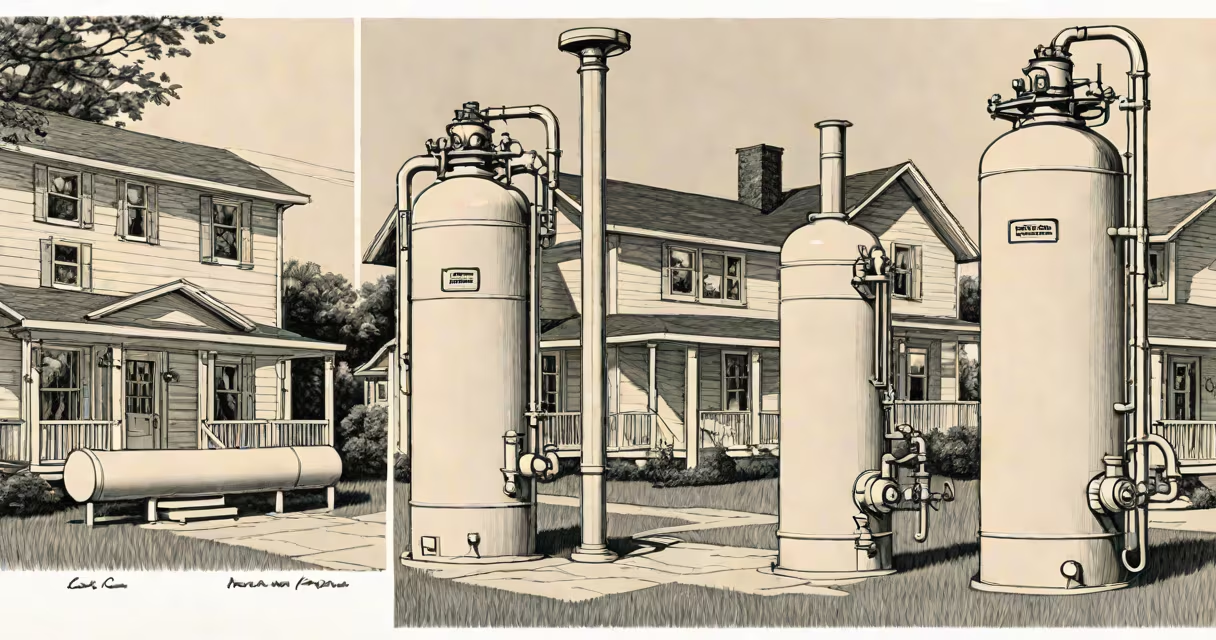
Propane and natural gas are both common fuels used for home heating, cooking, water heating, and outdoor equipment. Propane is stored in pressurized tanks and transported by truck; natural gas flows through underground pipelines. The better choice depends on location, infrastructure access, cost, and energy needs.
Propane has a higher energy density per gallon-about 91,500 British thermal units (BTUs)-but requires storage tanks and periodic refills. Natural gas delivers about 1,000 BTUs per cubic foot and is available continuously via utility lines. Propane is more portable and suitable for remote areas without gas lines; natural gas is generally cheaper per unit of energy where available.
How Each Fuel Works
Propane is a byproduct of natural gas processing and petroleum refining. It's compressed into liquid form for storage in steel tanks, typically located on the property. When released, it vaporizes and burns cleanly. A regulator controls pressure to the appliance. Propane systems require regular maintenance and tank monitoring to avoid outages.
Natural gas is delivered through a network of underground pipes maintained by local utilities. It enters homes at low pressure and is regulated before use. Because it's piped directly to the home, there's no need for on-site storage. Natural gas systems are simpler to operate and integrate with smart thermostats and automated safety shutoffs.
Both fuels burn efficiently in modern appliances. Propane furnaces average 90-98% annual fuel utilization efficiency (AFUE); natural gas models achieve similar ranges. However, natural gas tends to have lower operating costs due to consistent supply and lower price volatility.
Types and Sources
Propane is primarily sourced from U.S. shale gas production and oil refineries. Over 90% of U.S. propane comes from domestic sources, reducing import dependence. It's distributed via rail, truck, and pipeline to regional terminals and consumer sites.
Natural gas is extracted from shale formations (like the Marcellus and Barnett shales), offshore deposits, and conventional wells. The U.S. Energy Information Administration (EIA) reports that domestic natural gas production reached 34 trillion cubic feet in 2023, enough to meet 95% of national demand.
| Fuel Type | Primary Source | Delivery Method | Storage Requirement |
|---|---|---|---|
| Propane | Refining and gas processing | Truck delivery to on-site tanks | On-site pressurized steel tanks |
| Natural Gas | Shale extraction, offshore drilling | Underground pipeline network | None - continuous flow |
Where and Why Each Is Used
Propane is dominant in rural and suburban areas without natural gas service. About 4 million U.S. households rely solely on propane for heating and cooking. It powers grills, fire pits, generators, and fleet vehicles due to portability and high energy output.
Natural gas serves nearly 60% of U.S. homes with central heating and cooking. It's the most common fuel for forced-air furnaces, water heaters, and stoves in urban and suburban regions. Its widespread use stems from low cost and stable supply.
A 2022 study by the American Council for an Energy-Efficient Economy (ACEEE) found that natural gas heating costs averaged $1.20 per million BTUs nationally. Propane averaged $1.85 per million BTUs in the same period. In colder climates like Minnesota and Maine, propane prices spike during winter months due to transportation constraints.
Common Misconceptions and Corrections
Many assume propane is always more expensive. While per-unit cost is higher, propane's energy density makes it efficient for high-demand applications. A 100,000 BTU propane heater uses less fuel volume than a comparable natural gas unit, reducing consumption over time.
Another myth is that natural gas is always cleaner. Both fuels produce fewer emissions than oil or coal. According to the Environmental Protection Agency (EPA), natural gas emits 50% less CO₂ than coal per kWh. Propane emits 15% less CO₂ than natural gas per BTU when burned. Propane also produces virtually no particulate matter or sulfur oxides.
Some believe propane tanks are dangerous. Modern propane systems include automatic shutoff valves, leak detection sensors, and corrosion-resistant tanks. The National Fire Protection Association (NFPA) reports that propane incidents are rare-less than 1 in 10,000 homes annually.
Real-World Example: Heating a 2,000 sq ft Home
Consider a homeowner in upstate New York with a 2,000-square-foot home needing 90 million BTUs of heat annually. The house uses a 95% AFUE furnace.
With natural gas at $11.50 per thousand cubic feet (MCF), the annual cost is calculated as:
90,000,000 BTUs ÷ 1,000 BTUs/cubic foot = 90,000 cubic feet
90,000 ÷ 1,000 = 90 MCF
90 × $11.50 = $1,035/year
With propane at $2.50 per gallon and 91,500 BTUs per gallon:
90,000,000 ÷ 91,500 = 983 gallons
983 × $2.50 = $2,457.50/year
Even though propane delivers more energy per unit, the higher price per gallon results in a 137% increase in annual heating cost compared to natural gas.
I installed a propane system in my mountain cabin in Colorado in 2020. The nearest gas line was 12 miles away. I chose a 500-gallon tank with automatic refill scheduling. During a winter storm that cut off power and road access, the propane generator kept the heat running for 72 hours. The reliability of on-site storage proved critical.
Final Comparison: Key Differences
When deciding between better propane or natural gas, consider:
- Availability: Natural gas is only available where pipelines exist. Propane reaches remote locations.
- Cost: Natural gas is cheaper per unit of energy in most regions. Propane costs more per BTU but offers greater flexibility.
- Reliability: Natural gas can fail during storms due to grid issues. Propane tanks provide backup during outages.
- Environmental Impact: Both are cleaner than oil. Propane has lower carbon intensity per BTU.
For homes near a natural gas line, natural gas is almost always the better choice. For off-grid or rural properties, propane provides dependable performance. Always compare local rates and consult your utility provider or propane supplier for accurate pricing.