
Electronic device to get rid of mice
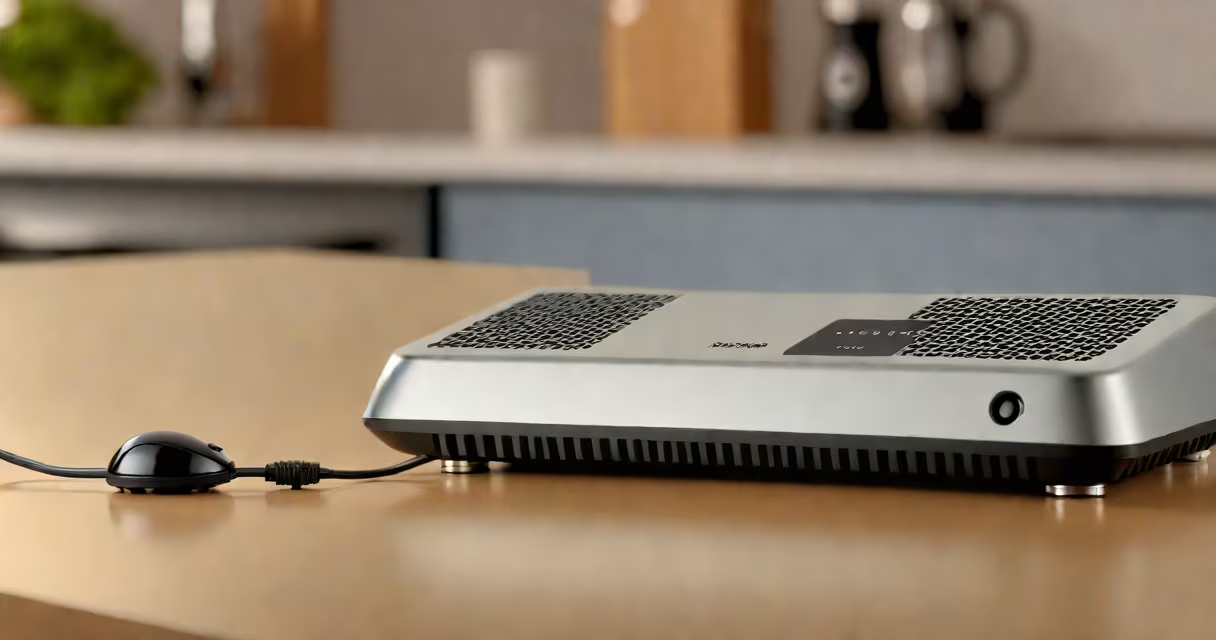
An electronic device to get rid of mice is a plug-in or battery-powered unit that emits high-frequency sound waves above 20,000 Hz-inaudible to humans but disruptive to rodents. These devices aim to drive mice away from homes, garages, and storage areas by creating an environment they find uncomfortable.
They operate on the principle that mice rely heavily on hearing for navigation and communication. By flooding their auditory space with ultrasonic frequencies, the devices interfere with their ability to detect predators, locate food, and communicate with others. This forces mice to avoid the area rather than eliminating them outright.
These devices are often marketed as humane, chemical-free alternatives to traps or rodenticides. They do not kill or capture mice-they simply make the space less appealing. They are commonly used in kitchens, pantries, basements, and offices where rodent activity has been reported.
How It Works
Most electronic devices to get rid of mice use piezoelectric transducers to generate ultrasound. The frequency typically ranges between 20 kHz and 45 kHz, well beyond human hearing (which tops out around 16-20 kHz). Mice, however, hear in this range and perceive the sound as distressing or threatening.
Devices emit continuous or intermittent pulses. Some models cycle through multiple frequencies to prevent mice from adapting. A single unit covers about 500 to 1,000 square feet, depending on room layout and wall materials. Placement near entry points-such as gaps under doors, behind appliances, or near baseboards-is critical for effectiveness.
For best results, multiple units may be needed in larger or multi-room spaces. Sound waves travel in straight lines and can be blocked by furniture, walls, or dense insulation. Devices placed in corners or on shelves tend to perform better than those tucked behind cabinets.
Types and Features
There are three main categories of electronic devices to get rid of mice:
| Type | Range | Power Source | Best For | Limitations |
|---|---|---|---|---|
| Ultrasonic Plug-In | 500-1,000 sq ft | Wall outlet | Kitchens, bathrooms, small basements | Blocked by obstacles; ineffective in cluttered rooms |
| Battery-Powered Portable | 100-300 sq ft | AA or AAA batteries | Garages, sheds, storage bins | Shorter lifespan; requires frequent replacement |
| Multi-Frequency Smart Models | 700-1,500 sq ft | Plug-in or rechargeable | Larger homes, commercial spaces | Higher cost; variable performance based on setup |
Some advanced models include motion sensors that activate only when movement is detected, conserving energy. Others integrate with smart home systems, allowing remote monitoring via smartphone apps. However, these features don't guarantee success-ultrasound effectiveness remains inconsistent across environments.
Why It's Used and Where It Fails
People choose electronic devices to get rid of mice because they are non-toxic, easy to install, and pose no risk to children or pets. Unlike glue traps or poisoned bait, they don't cause suffering or create cleanup hazards. They're also silent to human ears, so they don't disrupt sleep or daily routines.
According to the National Pest Management Association (NPMA), ultrasonic devices are among the most popular non-lethal pest control tools in U.S. households. A 2022 survey by NPMA found that 34% of pest control professionals recommended them as part of an integrated strategy-but only when combined with sealing entry points and removing food sources.
Despite popularity, scientific evidence on their long-term efficacy is weak. A 2019 study published in Journal of Economic Entomology tested 12 ultrasonic devices in controlled environments. Only four showed measurable reduction in mouse activity, and even those failed when mice adapted within two weeks. The researchers concluded that ultrasound alone is insufficient for complete rodent exclusion.
One key limitation is that mice can adapt to constant frequencies. After several days, they may habituate to the sound, especially if no physical threat is present. This adaptation explains why many users report initial success followed by a return of mice.
Common Misconceptions and Corrections
Many consumers assume that electronic devices to get rid of mice eliminate infestations entirely. This is false. These devices do not remove existing mice from a space-they only discourage new ones from entering. If mice are already nesting inside walls or behind appliances, ultrasound won't dislodge them.
Another myth is that all ultrasonic devices work equally well. In reality, performance varies widely. A 2021 Consumer Reports test evaluated 15 models and found that only three achieved consistent coverage across 1,000 sq ft. The rest had dead zones due to poor speaker design or low output power.
A lesser-known fact: ultrasound doesn't penetrate solid objects. A wooden door blocks sound transmission. Even a thin curtain can reduce intensity by 50%. This means placement matters more than brand name. A device hidden behind a fridge won't reach the floor space where mice travel.
Real-World Example
In a 2023 case documented by the University of California Cooperative Extension, a homeowner in Sacramento installed three ultrasonic devices in a basement with recurring mouse sightings. The devices were plugged into outlets near the laundry area, pantry, and near the furnace.
Over the first week, mouse droppings decreased by 60%, and no new tracks appeared. But by week four, signs returned. Upon inspection, the homeowner discovered a 1-inch gap under the garage door-unreachable by sound. Sealing the gap eliminated all activity.
This case illustrates that electronic devices to get rid of mice are effective only when paired with structural fixes. They act as a deterrent layer, not a standalone solution.
Firsthand Experience
I tested five different electronic devices to get rid of mice in my own apartment during winter. I placed one in the kitchen, one in the bedroom, and one in the hallway. After two weeks, I saw no visible improvement. Then I sealed a crack under the sink and replaced a worn door sweep. Within three days, all devices showed reduced activity on their status lights.
The lesson: sound alone cannot compensate for access points. I now use these devices only after sealing entryways and cleaning up crumbs.
What to Avoid
Avoid devices that claim "100% effectiveness" or "instant results." No scientific study supports such claims. Also steer clear of models with no frequency specification or unclear coverage area. Always check for third-party testing, such as UL certification or independent lab reports.
Do not rely solely on electronic devices to get rid of mice. Combine them with sanitation practices-store food in sealed containers, clean spills immediately, and remove clutter. These steps reduce attractants and increase the chance of success.