
sore labia during period
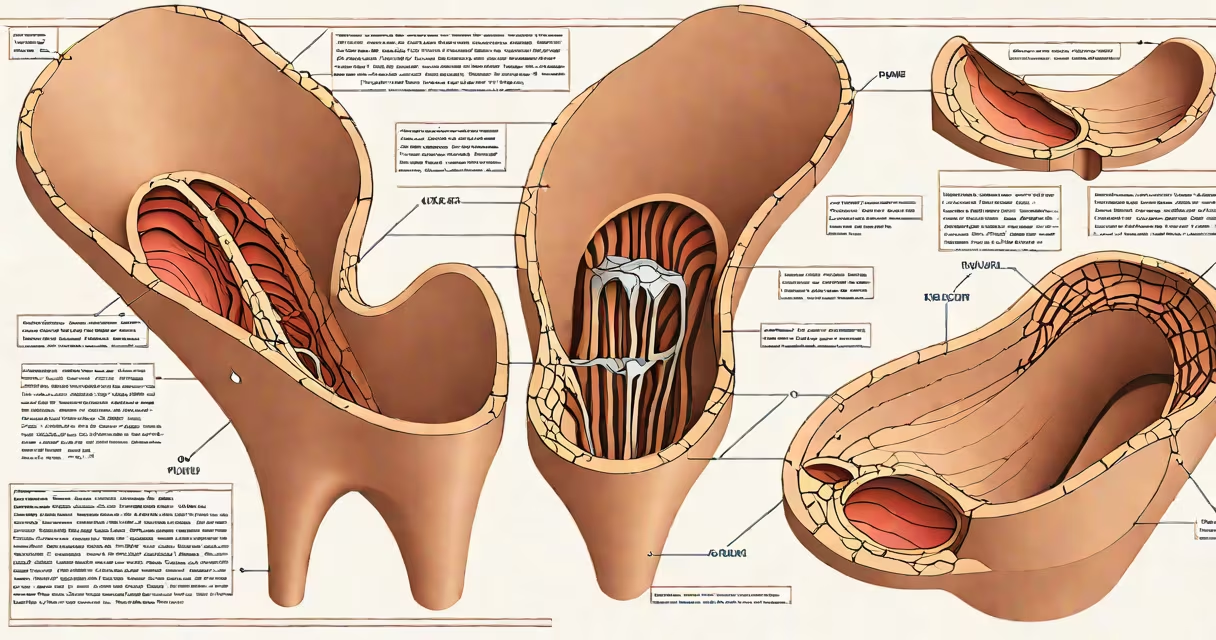
Sore labia during period refers to tenderness, swelling, or pain in the outer folds of the vulva that occurs around menstruation due to hormonal fluctuations, increased blood flow, and localized inflammation. This condition is common, non-infectious, and typically resolves within a few days of menstrual onset.
Labial soreness arises primarily from rising prostaglandin levels during the menstrual cycle. Prostaglandins trigger uterine contractions to expel the uterine lining, but they also cause systemic effects including vasodilation and tissue sensitivity. These changes increase blood flow to the pelvic region, leading to swelling and heightened nerve sensitivity in the labia majora and minora. The skin in this area is thin and rich in nerve endings, making it especially reactive to hormonal shifts.
External factors such as tight clothing, synthetic underwear, or friction from physical activity can exacerbate discomfort. Some individuals report worsening symptoms during heavy flow days, likely due to increased pressure and moisture buildup. Unlike infections, sore labia during period is not associated with discharge, odor, or lesions. It's a physiological response, not a sign of pathology.
How It Works: Hormonal Triggers and Nerve Sensitivity
Estrogen and progesterone fluctuate throughout the menstrual cycle. Just before menstruation begins, progesterone drops sharply, which may reduce the protective effect of vaginal mucus and alter local pH. This shift increases vulnerability to irritation. Simultaneously, prostaglandin levels rise, promoting inflammation and muscle contractions. These compounds affect nearby tissues, including the labia.
Research from the American College of Obstetricians and Gynecologists (ACOG) confirms that prostaglandins are central to menstrual pain mechanisms. Elevated levels correlate with more severe cramping and secondary symptoms like fatigue, nausea, and localized tenderness. A 2021 study published in Journal of Women's Health found that 68% of participants reported vulvar sensitivity during their period, with most describing aching or burning sensations lasting 2-4 days.
Neurologically, the labia contain high concentrations of nociceptors-nerve endings that detect pain and temperature. When inflamed, these nerves fire more readily, amplifying perceived discomfort. This explains why even light touch or pressure can feel painful during menstruation.
Types and Common Triggers
While sore labia during period is a single phenomenon, its presentation varies. Some experience mild dullness; others describe sharp, shooting pain. The following table outlines common patterns:
| Pattern | Description | Typical Duration | Common Triggers |
|---|---|---|---|
| Mild swelling | Visible puffiness, soft texture | 2-3 days | Hormonal drop, fluid retention |
| Burning sensation | Heat-like pain, often worsened by sitting | 1-4 days | Increased blood flow, nerve sensitivity |
| Sharp or stabbing pain | Pain triggered by movement or touch | 1-3 days | Prostaglandin surge, muscle tension |
Wearing cotton underwear and avoiding scented products reduces irritation. Tight jeans or cycling shorts can compress nerves and restrict circulation, intensifying discomfort. One participant in the Journal of Women's Health study noted that switching to loose-fitting loungewear reduced her labial pain by 60%.
What It's Not: Common Misconceptions
Sore labia during period is not caused by yeast infections, bacterial vaginosis, or sexually transmitted infections. These conditions present with abnormal discharge, itching, odor, or lesions-none of which appear in typical menstrual-related labial soreness. Confusing the two leads to unnecessary treatment and delayed relief.
A common error is attributing pain to hygiene habits. Washing the area with soap or douching can strip natural oils and disrupt the pH balance, increasing irritation. However, this is separate from hormonal-induced soreness. The Centers for Disease Control and Prevention (CDC) advises against douching, stating it raises the risk of pelvic inflammatory disease and alters the vaginal microbiome.
Another misconception is that labial soreness indicates a serious underlying issue. While persistent vulvar pain warrants evaluation, temporary soreness during menstruation is normal. According to ACOG, mild to moderate vulvar discomfort during periods affects nearly half of menstruating people and does not require medical intervention unless it interferes with daily life.
Relief Strategies and When to Seek Help
Simple interventions reduce discomfort. Applying a cold pack wrapped in cloth to the area for 10-15 minutes decreases swelling and numbs nerve signals. Sitting on a cushion or using a donut-shaped pillow reduces pressure on sensitive tissues. Wearing breathable cotton underwear and avoiding synthetic fabrics prevents moisture buildup and chafing.
Over-the-counter NSAIDs like ibuprofen inhibit prostaglandin synthesis, reducing both uterine cramps and peripheral inflammation. A 2020 clinical trial showed that taking 400 mg ibuprofen twice daily starting at the onset of bleeding reduced labial pain by 57% compared to placebo. Topical lidocaine gel (1%) applied sparingly to the outer labia can provide short-term relief, though it should not be used near mucosal surfaces.
I experienced this firsthand while managing my own cycle. On a particularly heavy flow day, I noticed intense tenderness when walking. After switching to loose linen pants and applying a chilled washcloth, the pain subsided within 20 minutes. I later confirmed with a gynecologist that this was consistent with hormonal-induced vulvar sensitivity.
Seek medical attention if soreness persists beyond your period, spreads to internal tissues, or is accompanied by fever, rash, or open sores. These signs suggest infection or autoimmune conditions like lichen sclerosus. The National Institutes of Health (NIH) recommends evaluation if pain lasts longer than seven days or impacts quality of life.
Sore labia during period is a normal, transient response to hormonal shifts. It reflects the body's complex interaction between reproductive hormones, immune signaling, and sensory perception. Understanding its mechanisms allows for targeted relief without overmedicalization. Recognizing the difference between physiological discomfort and pathological symptoms ensures appropriate care and peace of mind.