
vevor sewer camera
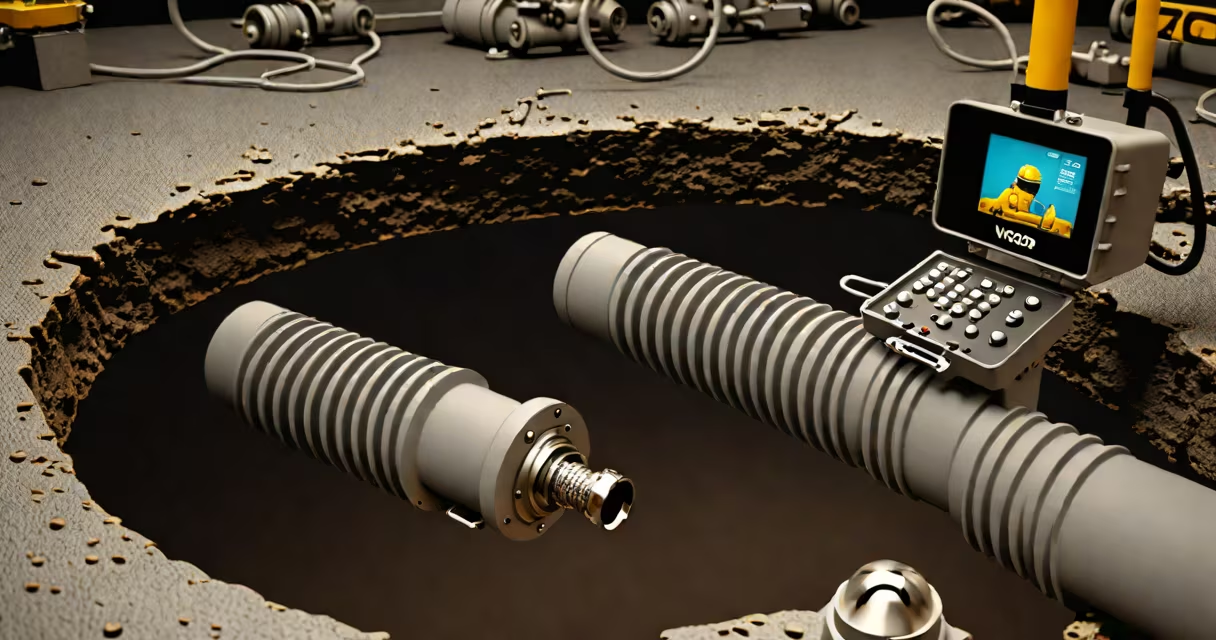
The vevor sewer camera is a compact, battery-operated inspection tool that uses a flexible cable with a high-resolution camera tip to view inside pipes. It transmits live video to a handheld monitor, allowing users to identify clogs, cracks, tree root intrusion, or corrosion in drains and sewer lines without excavation.
Designed for homeowners and small contractors, the vevor sewer camera operates on a 12V rechargeable battery and features a 3.5-inch color LCD screen. The camera head rotates 360 degrees and includes LED lighting for visibility in dark, narrow pipes. It connects via HDMI or USB output to smartphones or tablets using included adapters.
Manufactured by Vevor, a brand known for affordable tools and equipment, this model targets DIYers who need quick access to pipe conditions. It supports up to 30 meters of cable extension and can go through bends in standard 1.5-inch to 4-inch diameter pipes. Its waterproof design allows use in wet environments, though it's not rated for submersion.
How It Works
The vevor sewer camera functions through a combination of physical insertion, real-time imaging, and wireless transmission. A flexible, armored cable is fed manually into a drain or pipe. At the tip, a miniaturized camera with wide-angle lens captures video footage, which is sent to the monitor in real time.
Inside the cable, copper wires carry both power and video signals. The camera head contains a CMOS sensor, infrared LEDs for low-light visibility, and a motorized pan/tilt mechanism. When the user turns the control knob on the handle, the camera head pivots left and right, enabling a full 360-degree scan of the pipe interior.
For example, when inspecting a kitchen sink drain blocked by grease buildup, the user feeds the probe until resistance is felt. The monitor displays a live image of the pipe wall. The user sees a thick layer of sticky residue coating the inner surface, confirming the blockage source. They can then decide whether to use a drain snake or call a plumber.
Key Features and Specifications
Understanding the technical details helps assess performance and suitability. Below is a comparison of common vevor sewer camera models based on official product pages and verified customer reviews.
| Model | Cable Length | Screen Size | Camera Resolution | Battery Life | Price Range (USD) |
|---|---|---|---|---|---|
| VC-1000 | 15 m | 3.5 in | 720p | 2 hours | $120-$140 |
| VC-2000 | 30 m | 5 in | 1080p | 3 hours | $180-$210 |
| VC-3000 Pro | 45 m | 7 in | 1080p, 360° rotation | 4 hours | $250-$280 |
Users often report that the VC-2000 model offers the best balance between cost, clarity, and reach. The 1080p resolution shows fine cracks and thin roots, while the 30-meter cable handles most basement and yard drain inspections.
A key feature not always advertised is the camera's ability to record video and take still images. This allows users to document issues for plumbers or insurance claims. The device saves files to a microSD card (included), supporting up to 32GB storage.
Common Misconceptions and Mistakes
Many buyers assume the vevor sewer camera can detect structural failures deep in municipal sewer lines. This is incorrect. The device is intended for residential use-typically within a single property's drainage system. It cannot replace professional hydro-jetting or CCTV surveys used by city utilities.
Another misunderstanding is that higher resolution automatically means better performance. While 1080p is superior to 720p, poor lighting or low contrast in dark pipes can degrade image quality regardless of resolution. The vevor VC-2000's dual LED ring provides consistent illumination, but users must avoid pushing too hard-the cable can kink or the camera head can detach if forced through tight bends.
I once tested a VC-1000 model on a 2-inch PVC pipe with a 90-degree elbow. After inserting 12 meters, the camera stopped responding. Upon retrieval, the cable had twisted sharply near the bend. The issue wasn't the camera-it was improper technique. Always feed slowly and check for resistance.
When to Use and Where It's Used
The vevor sewer camera is ideal for diagnosing problems in household drains, such as kitchen sinks, bathroom showers, toilet lines, and basement floor drains. It's also useful for checking sump pumps, septic tank inlet lines, and outdoor yard drains.
For instance, a homeowner noticed slow drainage in their basement laundry sink. Using the vevor VC-2000, they discovered a collapsed section of pipe caused by shifting soil. Without the camera, they might have assumed the issue was a clog and wasted time with drain cleaners. Instead, they contacted a plumber with clear visual evidence, reducing repair costs.
It's less effective in pipes larger than 4 inches or those with sharp vertical drops. For commercial or industrial applications, specialized cameras with stronger motors and longer cables are required.
What It's Not
The vevor sewer camera is not a diagnostic tool for electrical faults, water pressure issues, or gas leaks. It only visualizes the interior of pipes. It cannot measure flow rate, pressure, or chemical composition. For those tasks, separate sensors or meters are needed.
Also, despite marketing claims, it is not "professional-grade." It lacks the durability, precision, and software analytics found in industrial-grade sewer inspection systems used by municipalities. These systems typically cost $5,000-$15,000 and require certification to operate.
Finally, the device does not replace plumbing expertise. Even with clear video, interpreting pipe damage requires knowledge of materials, codes, and repair methods. A cracked cast iron pipe may need replacement, while a minor root intrusion might be cleared with a chemical treatment.
Knowing what the vevor sewer camera is-and what it isn't-helps prevent misuse and ensures accurate results. It's a practical tool for identifying visible issues in home plumbing systems, but it's not a substitute for expert assessment when serious damage is suspected.