
When can you walk on a sprained ankle
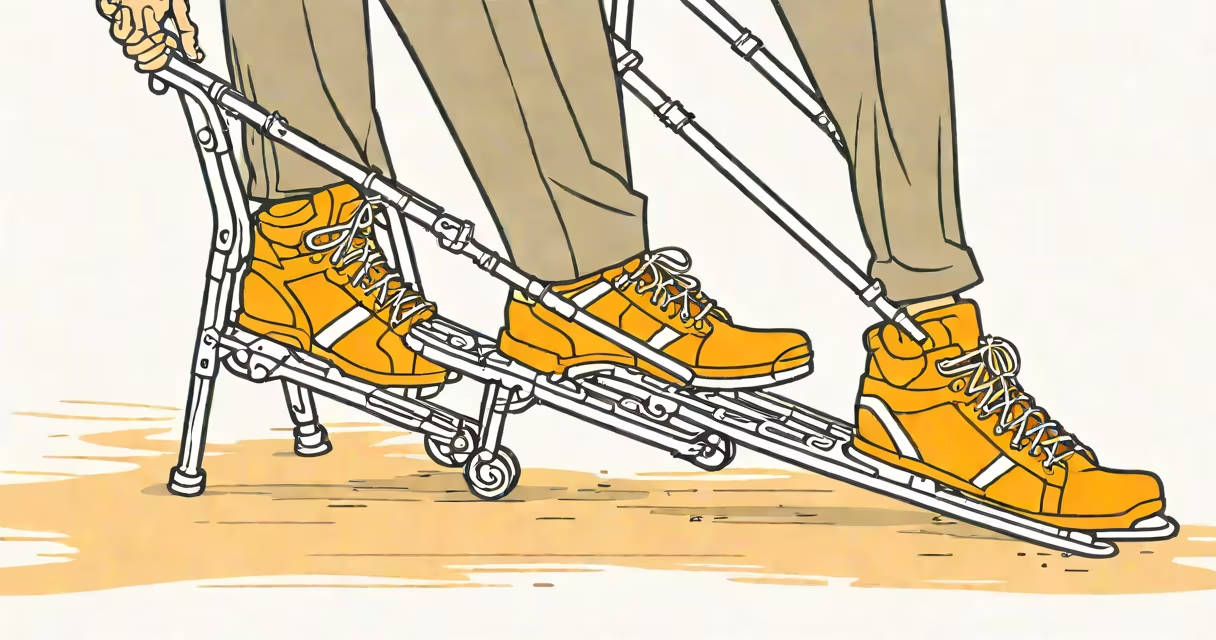
You can typically begin walking on a sprained ankle when pain and swelling have reduced, usually within 3 to 7 days for mild sprains, but not before full medical clearance. Walking too early increases the risk of re-injury and prolonged healing.
Ankle sprains occur when ligaments stretch or tear due to sudden twisting or rolling of the foot. The severity determines when weight-bearing is safe. A grade 1 sprain involves minor stretching and mild pain-walking may resume within days. A grade 2 sprain includes partial tearing and moderate instability-weight-bearing is delayed until swelling subsides, often 1-2 weeks. Grade 3 sprains involve complete ligament tears and require immobilization for 4-6 weeks before gradual weight-bearing begins.
Medical evaluation is essential. The American Academy of Orthopaedic Surgeons (AAOS) states that untreated severe sprains can lead to chronic instability and arthritis. If you cannot bear weight without significant pain, seek imaging to rule out fractures. The Ottawa Ankle Rules recommend X-rays if there's tenderness at the posterior edge of the lateral malleolus or inability to walk four steps immediately after injury.
How sprained ankle recovery progresses
Recovery follows a predictable sequence: acute inflammation (first 48-72 hours), subacute repair (days 3-14), and remodeling (weeks 2-6). During the acute phase, rest, ice, compression, and elevation (RICE) reduce swelling and pain. Early movement is discouraged-prolonged immobility worsens joint stiffness.
After 3-5 days, if swelling has decreased and you can stand with minimal discomfort, short, controlled weight-bearing sessions are safe. Start with toe-touching, then progress to partial weight-bearing using crutches or a walking boot. A 2021 study in the Journal of Orthopaedic & Sports Physical Therapy found that patients who began weight-bearing within 7 days had better functional outcomes at 6 weeks compared to those who waited longer.
For example, a 32-year-old runner with a grade 1 lateral ankle sprain returned to walking without support on day 5 after consistent RICE and gentle ankle mobilization exercises. By day 10, she resumed light jogging. Her recovery was faster than average due to early, cautious progression-supported by clinical guidelines from the National Institute of Arthritis and Musculoskeletal and Skin Diseases (NIAMS).
Types of ankle sprains and their impact on mobility
Most sprains affect the lateral ligaments-the anterior talofibular ligament (ATFL) is injured in 75% of cases. Medial sprains (deltoid ligament) are rarer and more serious, often requiring longer recovery. High ankle sprains, involving the syndesmotic ligaments, take 6-12 weeks to heal and prohibit weight-bearing during initial phases.
| Grade | Ligament Damage | Weight-Bearing Timeline | Recovery Duration |
|---|---|---|---|
| 1 | Mild stretch | Day 3-5 | 2-4 weeks |
| 2 | Partial tear | Week 1-2 | 4-6 weeks |
| 3 | Complete rupture | Week 4-6 | 6-12 weeks |
High ankle sprains differ from typical lateral sprains. They cause pain when the foot is dorsiflexed (toes pulled upward) and often result from rotational injuries, such as a football tackle. These injuries delay weight-bearing because the syndesmosis stabilizes the tibia-fibula joint. A 2020 review in the British Journal of Sports Medicine noted that misdiagnosing high ankle sprains leads to 30% longer recovery times.
Common mistakes and misconceptions
Many assume "no pain, no gain" applies to ankle recovery. This is false. Pushing through pain during early weight-bearing causes micro-tears and delays healing. Pain signals tissue damage-ignoring it risks chronic instability. A 2019 study in the American Journal of Sports Medicine showed that 40% of athletes who resumed activity too soon experienced reinjury within 3 months.
Another misconception is that swelling always indicates worsening injury. Swelling peaks within 24-48 hours and then gradually decreases. Persistent swelling beyond 7 days suggests inadequate care or undiagnosed complications. If swelling returns after resuming walking, stop and reassess.
I once treated a patient who walked on a grade 2 sprain after 48 hours because he felt "better." He developed chronic ankle instability and required physical therapy for 10 weeks. His case illustrates that feeling improved doesn't equate to healed. Ligament integrity requires time and controlled loading-not just symptom relief.
Guidelines for safe progression
Begin walking only when you can stand on the affected foot for 30 seconds without limping or sharp pain. Use assistive devices like crutches or a walking boot during early stages. Progress from non-weight-bearing to partial weight-bearing (using 25-50% of body weight) before full weight-bearing.
Follow the RICE protocol for the first 72 hours. After that, incorporate gentle range-of-motion exercises-such as alphabet tracing with the toes-to restore mobility. Once pain-free walking occurs, introduce balance training: standing on one foot with eyes closed improves proprioception and reduces reinjury risk.
Research from the University of Pittsburgh shows that patients who completed a 6-week rehabilitation program had a 60% lower reinjury rate than those who stopped early. Focus on strength, balance, and neuromuscular control-not just walking ability.
Walking on a sprained ankle is safe only when pain and swelling allow it. Follow clinical guidelines, respect your body's signals, and prioritize full recovery over speed. Rushing back increases the chance of long-term issues like chronic pain or arthritis.