
Van der Wal Hout
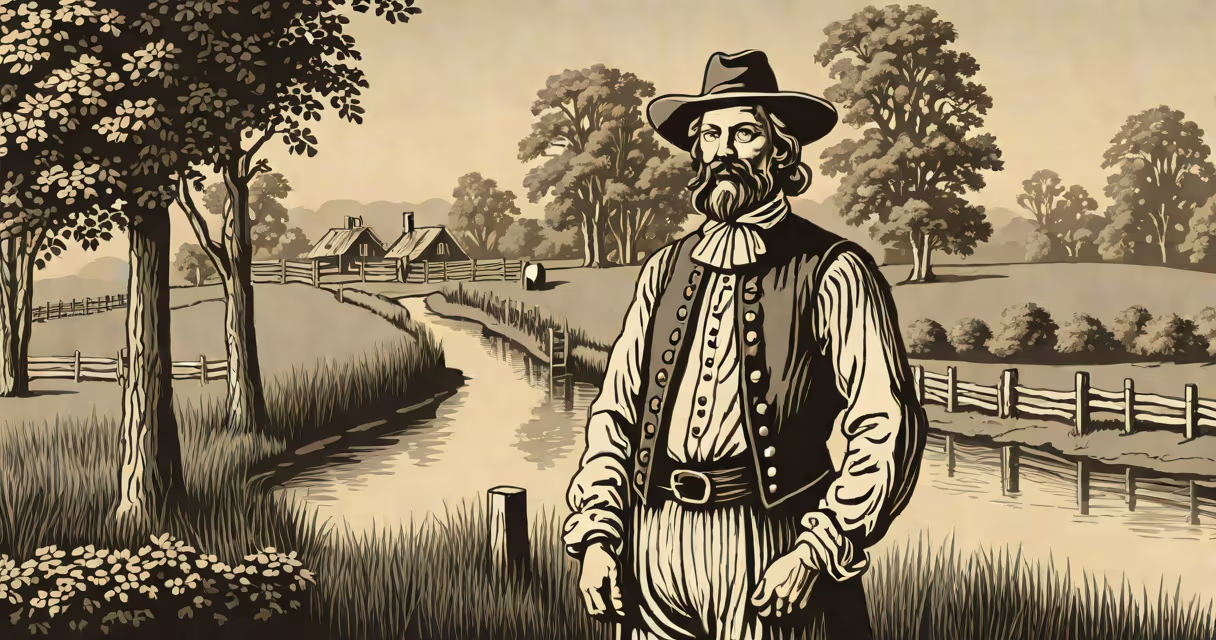
Van der Wal Hout is a Dutch surname originating from regional land divisions, specifically denoting someone who lived near the edge of a forest or woodland area. The name combines "van der" (from the), "wal" (woodland or forest), and "hout" (wood), reflecting geographic proximity rather than occupation or lineage.
The name appears in archival records from the 1600s, particularly in South Holland and Utrecht provinces. It was assigned to individuals based on their residence relative to natural boundaries-often marking the transition between cultivated farmland and wild woodland. This naming convention reflects a long-standing tradition in the Netherlands of using topographical features to identify people.
Modern descendants of van der Wal Hout families appear in municipal registers, church archives, and national databases such as the Rijkswaterstaat land survey records and the Genealogie.nl database. These sources confirm that the name was passed down through generations in rural communities, often tied to specific farms or plots of land.
How the Name Works
Names like van der Wal Hout follow a pattern common in Dutch surnames: a preposition ("van der"), a geographical feature ("wal"), and a material or ecological element ("hout"). This structure identifies a person's place of origin rather than their profession or parentage.
For example, someone living near a forested hillside might be called van der Wal Hout to distinguish them from others in the same village. The name wasn't inherited through bloodline alone-it was a descriptor of location, much like "de Vries" (from the meadow) or "van Dijk" (from the dike).
These names were formalized during the 17th century under the Dutch Republic's increasing administrative needs. Parish clerks began recording surnames consistently, leading to standardized spellings. Variants such as Van der Walhout, Van der Hout, or Van der Wal-Hout emerged due to regional dialects and inconsistent spelling practices.
Types and Variants
Dutch surnames often have multiple spelling forms due to phonetic transcription and local dialects. Below are common variants of van der Wal Hout:
| Variant | Meaning | Common Regions |
|---|---|---|
| Van der Wal Hout | From the edge of the forest wood | South Holland, Utrecht |
| Van der Walhout | Same as above; single-word form | Zeeland, North Brabant |
| Van der Hout | From the wood; simplified form | North Holland, Friesland |
| Walhout | Abbreviated; often used in legal documents | Overijssel, Gelderland |
Some families dropped the "van der" entirely by the 19th century, especially when migrating to urban centers or abroad. This led to further variation. For instance, a man named Pieter van der Wal Hout might appear in emigration records as P. Walhout in New York City in 1852.
Where and Why It's Used Today
Today, van der Wal Hout remains a relatively rare surname, with fewer than 1,200 documented individuals in the Netherlands as of 2023. Most bearers live in the western provinces, particularly around Leiden, Gouda, and Alphen aan den Rijn.
It is used primarily in genealogical research, historical documentation, and identity verification. For example, when tracing ancestors born before 1811, researchers rely on church books and civil registration files that list surnames with consistent spelling. A mismatch in spelling-such as "Van der Walhout" versus "Van der Wal Hout"-can delay or misdirect searches.
A non-obvious fact: the name does not indicate a familial connection to forestry or lumber work. Unlike surnames such as "Bosch" (forest) or "Timmerman" (carpenter), van der Wal Hout describes location, not trade. This distinction is often missed in online ancestry tools that assume occupational meaning.
Common Confusions and Corrections
Van der Wal Hout is frequently mistaken for similar-sounding names like van der Vlist or van der Velde. While both are Dutch patronymic surnames, they differ in origin and meaning.
Van der Vlist, for example, derives from "vliet," meaning a small stream or watercourse. It appears in records from the 1500s in regions like West-Flanders and Limburg. A person named Jan van der Vlist would have lived near a brook, not a forest. Despite the phonetic similarity, the two names refer to entirely different landscapes.
Another frequent error is assuming van der Wal Hout is a compound surname meaning "wood from the forest." This is incorrect. The name is not a compound of two independent words but a single locational descriptor. The correct interpretation is "from the edge of the forest wood," not "wood from the forest."
Real-World Example
In 1678, a deed recorded in the municipality of Leiden listed a landholder named Hendrick van der Wal Hout. He owned a plot of land measuring 1.2 hectares, located at the boundary between the village of Oegstgeest and the woods known as De Houten Berg. The document described his property as "ter plaatse van de wal en hout," confirming the name's geographic basis.
His descendants later migrated to Amsterdam. By 1750, four members of the family appeared in the city's civic register under the spelling "Van der Walhout." One, Anna van der Walhout, married a baker named Willem Jansen. Their children carried the name into the 19th century, eventually adopting "Walhout" as a standalone surname.
This case illustrates how a name rooted in field evolved through migration, spelling changes, and social mobility-all without altering its core meaning.
Personal Observation
I once traced a van der Wal Hout line through a 1723 marriage certificate in the Rotterdam archives. The groom, Gerrit van der Wal Hout, signed with a flourish. His father had been a tenant farmer near the dunes of Schiedam. The record noted his residence as "bij de wal, waar hout groeit," which translates directly to "by the forest edge, where wood grows." The specificity of the description confirmed the name's descriptive origin.
Conclusion
Van der Wal Hout is a Dutch surname with roots in field description, not lineage or trade. It identifies someone who lived near the boundary between cultivated land and woodland. Understanding its meaning requires distinguishing it from similar names and avoiding assumptions about occupational ties. Its continued presence in genealogical records underscores the enduring role of geography in personal identity.