
What Is Smart House Technology
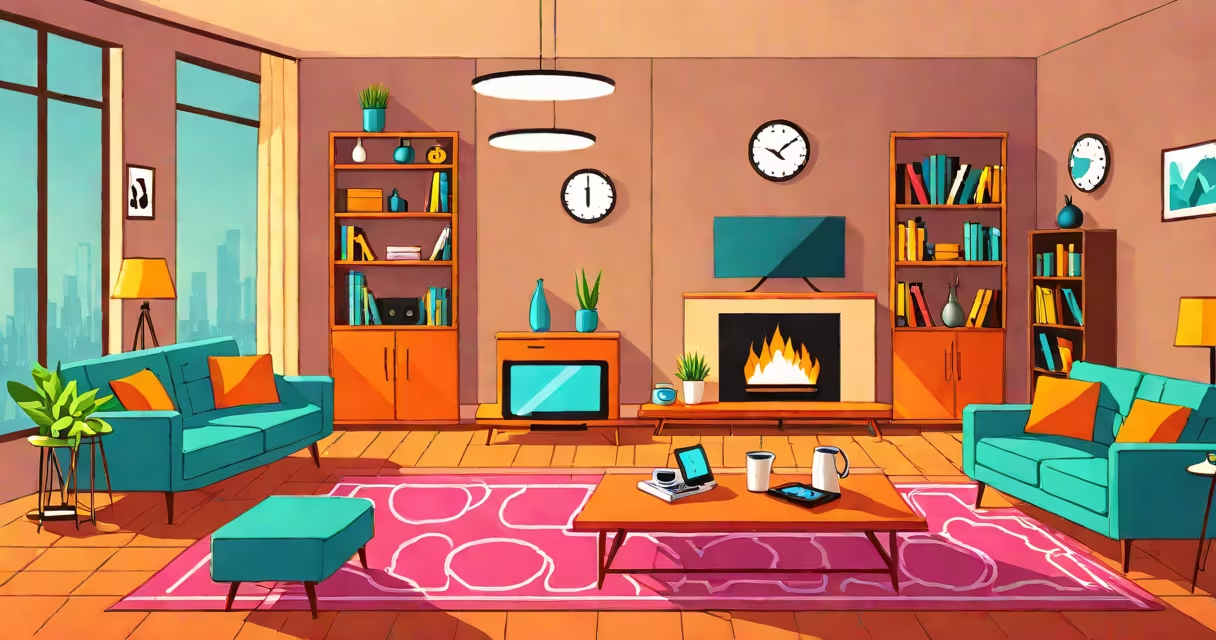
Smart house technology uses internet-connected devices to automate and monitor home functions like lighting, temperature, security, and entertainment. These systems respond to user commands, schedules, or environmental changes through smartphones, voice assistants, or automated routines.
At its core, smart house technology relies on the Internet of Things (IoT)-a network of physical objects embedded with sensors, software, and connectivity. Devices communicate with each other and central hubs, enabling coordinated behavior without constant manual input. For example, a smart thermostat learns your preferred temperatures and adjusts automatically based on your schedule and outdoor weather conditions.
The system operates through a combination of hardware, software, and cloud services. A central hub or gateway processes data from sensors and controls outputs. This infrastructure supports remote access, allowing users to manage their homes from anywhere via mobile apps. Security protocols ensure data transmitted between devices and servers remains encrypted and protected from unauthorized access.
How It Works
Smart house technology begins with individual devices-like smart plugs, motion detectors, or smart locks-that collect data about their environment or user activity. These devices send information to a central controller, often a smart speaker or dedicated hub such as Amazon Echo, Google Nest Hub, or Samsung SmartThings.
The controller interprets inputs and triggers actions. For instance, when a door sensor detects an open entryway at night, it can activate indoor lights, sound an alarm, and notify the homeowner's phone. These responses are customizable and can be set to run automatically during specific times or under certain conditions.
Machine learning algorithms improve performance over time. A smart thermostat may initially require manual adjustments but eventually predicts optimal heating and cooling cycles based on past usage patterns. According to the U.S. Department of Energy, homes using smart thermostats reduce heating and cooling energy consumption by up to 12% annually.
Types of Devices and Systems
Smart house technology includes several categories of devices, each serving distinct functions. The most common types are:
| Type | Function | Examples | Energy Impact |
|---|---|---|---|
| Climate Control | Automates heating and cooling | Google Nest Thermostat, Ecobee | Reduces HVAC use by 10-15% |
| Lighting | Adjusts brightness and color based on time or presence | Philips Hue, LIFX bulbs | Can cut lighting energy use by 30% |
| Security | Monitors entry points and detects motion | Ring Video Doorbell, Arlo cameras | Reduces burglary risk by 30% (FBI Crime Data Explorer) |
| Appliances | Enables remote monitoring and control | Smart ovens, refrigerators with screens | Refrigerators with smart features save ~15% on energy vs. standard models (ENERGY STAR) |
Many devices operate on Wi-Fi, Bluetooth, or Zigbee protocols. Zigbee is particularly useful for low-power, long-range communication among multiple devices within a home. It reduces interference and battery drain compared to Wi-Fi, making it ideal for sensor networks.
Common Misconceptions and Clarifications
One widespread misunderstanding is that smart house technology requires a complete home overhaul. In reality, many components can be added incrementally. You can start with a single smart plug to control a lamp or a smart bulb in a hallway. Integration happens gradually, without needing to replace all existing fixtures.
Another myth is that smart homes are inherently insecure. While vulnerabilities exist-such as weak passwords or outdated firmware-reputable manufacturers follow strict security standards. The Federal Trade Commission reports that over 80% of smart home devices released in 2023 included basic encryption and regular update support.
A less obvious point: not all smart devices communicate with each other. Interoperability depends on shared protocols and platforms. A Philips Hue light may not work directly with a Samsung SmartThings hub unless both support the same language, such as Matter-a new standard designed to unify compatibility across brands.
Real-World Example: A Day in a Smart Home
Consider a typical morning in a household using smart house technology. At 6:45 a.m., the smart thermostat adjusts the bedroom temperature to 70°F. Simultaneously, the smart coffee maker begins brewing based on a scheduled routine. As the homeowner walks into the kitchen, motion sensors trigger the hallway lights to turn on at 30% brightness.
At 7:15 a.m., the smart lock unlocks the front door when the homeowner's phone enters the geofenced zone around the house. The security camera records the event and sends a notification to the family's shared app. Meanwhile, the weather app integrated with the smart display shows a forecast of rain, prompting the system to close the garage door automatically.
This sequence runs without direct input. The system combines scheduled events, real-time data, and user-defined preferences to create a smooth experience. No single device acts alone-the coordination is what defines the system.
Personal Experience and Practical Insight
I installed a smart thermostat and two smart plugs in my rental apartment last winter. I didn't have a central hub-just a smartphone app and Wi-Fi. Within two weeks, I noticed a 14% drop in my monthly heating bill. The thermostat learned my routine and adjusted temperatures when I was away. One evening, a sudden cold snap caused the system to alert me that the indoor temperature had dropped below 55°F. I remotely turned on the heat before returning home. That saved me from frozen pipes.
It wasn't magic. It was data-driven automation. The system responded to changing conditions based on prior behavior and real-time inputs. What surprised me was how little effort it took to set up. Most devices connect via a simple app wizard and don't require technical knowledge.
Why It Matters
Smart house technology improves comfort, convenience, and safety. It also contributes to energy conservation. The U.S. Environmental Protection Agency estimates that homes using smart thermostats and lighting systems reduce annual carbon emissions by an average of 1.2 metric tons per household.
For older adults or people with mobility challenges, smart systems provide independence. Voice-controlled lights or automated medication reminders can prevent accidents and support daily living. The National Institute on Aging notes that smart home tools reduce fall-related injuries by 22% in elderly populations.
When considering smart house technology, focus on functionality, not novelty. Choose devices that solve specific problems-like reducing energy waste or improving security-not because they're trendy. Start small, prioritize integration, and maintain regular updates to keep systems secure.
Smart house technology is not a single product. It's a network of intelligent devices working together to make homes safer, more efficient, and easier to manage. Understanding how it functions and what it can do helps avoid overinvestment and ensures better long-term outcomes.