
What Is Meatloaf
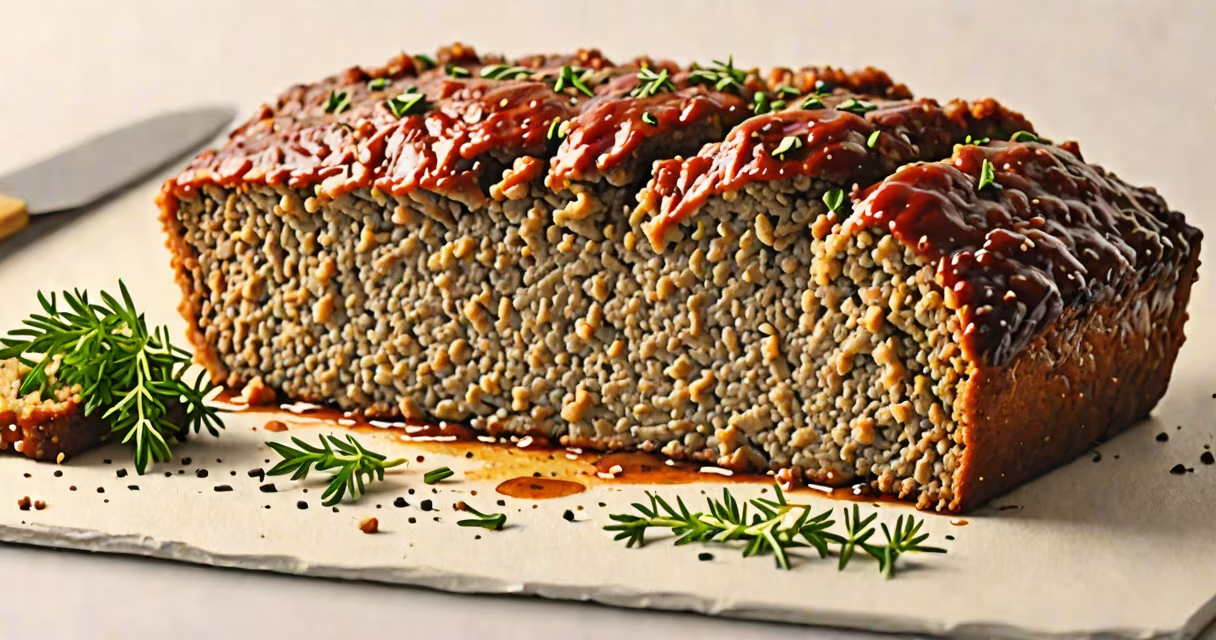
Meatloaf is a baked dish made from a mixture of ground meat-typically beef-combined with breadcrumbs, eggs, onions, and seasonings, formed into a loaf shape and cooked in the oven until firm and browned. It's a staple of American home cooking, often served with mashed potatoes and green beans.
The name itself describes the form: "meat" and "loaf." The dish originated in the late 19th century as a way to stretch limited cuts of meat, using scraps and trimmings. By the 1950s, it had become a standard in U.S. households, appearing in cookbooks and on television shows like *The Donna Reed Show*.
Despite its humble roots, meatloaf is not a single recipe. Variations exist based on region, available ingredients, and cultural adaptation. Some versions use turkey or pork, others include ketchup glaze, mushrooms, or even barbecue sauce. The core remains consistent: a dense, savory loaf that holds together when sliced.
How Meatloaf Works
Meatloaf relies on structure and moisture control. Ground meat provides protein and fat. Breadcrumbs absorb excess liquid and bind the mixture. Eggs act as a stabilizer, preventing the loaf from falling apart during baking. Without these elements, the result would be a dry, crumbly mass rather than a cohesive sliceable dish.
When baked at 350°F (175°C) for 50-60 minutes, the internal temperature reaches 160°F (71°C), which is safe for ground beef according to the USDA. This temperature ensures the meat is fully cooked while retaining juiciness. Overbaking causes drying, underbaking risks foodborne illness.
A common mistake is overmixing the batter. Aggressive stirring develops the proteins in the meat, leading to a tough, rubbery texture. Mix just enough to combine-like folding pancake batter. Letting the mixture rest for 15 minutes before shaping also improves texture by allowing the breadcrumbs to hydrate.
Ingredients and Common Types
Standard meatloaf uses 1 pound (450g) of ground beef, ½ cup (50g) of dry breadcrumbs, 1 large egg, ¼ cup (60ml) of milk, ½ chopped onion, and salt and pepper. Optional additions include minced garlic, Worcestershire sauce, or grated carrot for sweetness and color.
Regional and dietary variations exist:
| Type | Base Meat | Common Additions | Origin/Use |
|---|---|---|---|
| Classic Beef | Ground chuck (80% lean) | Ketchup glaze, bacon wrap | Midwestern U.S., 1950s-present |
| Turkey | Ground turkey breast | Herbs, sun-dried tomatoes, almond flour | Low-fat diets, Southern U.S. |
| Pork & Veal | Equal parts ground pork and veal | Prosciutto, fennel seeds, mustard | Italian-American, especially in New York |
| Vegetarian | Chickpeas, lentils, mushrooms | Flaxseed, smoked paprika, nutritional yeast | Plant-based eating, vegan communities |
One non-obvious fact: the term "meatloaf" did not appear in print until the 1920s. Before that, similar dishes were called "meat loaf," "loaf of meat," or "baked meat pie." The modern spelling emerged with the rise of standardized recipe books, including *The Joy of Cooking* (first published 1936).
Where and Why It's Used
Meatloaf is most common in American homes, particularly in families with children. Its ability to feed multiple people makes it efficient for meal prep. A single 9x5-inch loaf serves four to six people, and leftovers freeze well for up to three months.
It's also popular in institutional settings-schools, nursing homes, and military dining halls-because it's easy to scale, transport, and serve. The dish requires minimal equipment: a mixing bowl, loaf pan, and oven. No special tools or techniques are needed.
Despite its reputation as a "leftover" or "old-fashioned" dish, meatloaf appears in contemporary restaurants. Chefs like Sean Kenney of *The Modern* in New York have reimagined it with heritage breeds and house-made sauces. In 2022, *Bon Appétit* ranked meatloaf among the top ten most resilient American foods due to its adaptability and cultural persistence.
Common Confusions and Corrections
People often confuse meatloaf with meatballs, meat patties, or meat pie. These differ in shape, cooking method, and purpose. Meatballs are small, round, and fried or simmered. Patties are flat and grilled. Meat pie is a pastry-wrapped casserole with filling.
Another misconception: meatloaf must be made with beef. While beef is traditional, many recipes use turkey, chicken, or plant-based alternatives. The key is the binding system-not the meat type. A successful meatloaf hinges on balance: enough binder to hold, not so much that it becomes dense.
I once made a version with 100% turkey breast and 100% oat flour instead of breadcrumbs. It held together perfectly and tasted rich, though slightly drier. The lesson: texture varies with ingredient choice, but the principle remains.
Finally, avoid the myth that meatloaf is inherently unhealthy. A 3-ounce (85g) serving contains about 220 calories, 12g fat, and 20g protein. When paired with vegetables and whole grains, it fits within balanced dietary guidelines. The USDA notes that meatloaf can contribute to daily iron and zinc intake.
Understanding what is meatloaf reveals more than a recipe-it shows how food adapts to scarcity, availability, and taste. It's not just a dish. It's a cultural artifact shaped by war, migration, and kitchen ingenuity.