
What Can I Eat for Morning Sickness
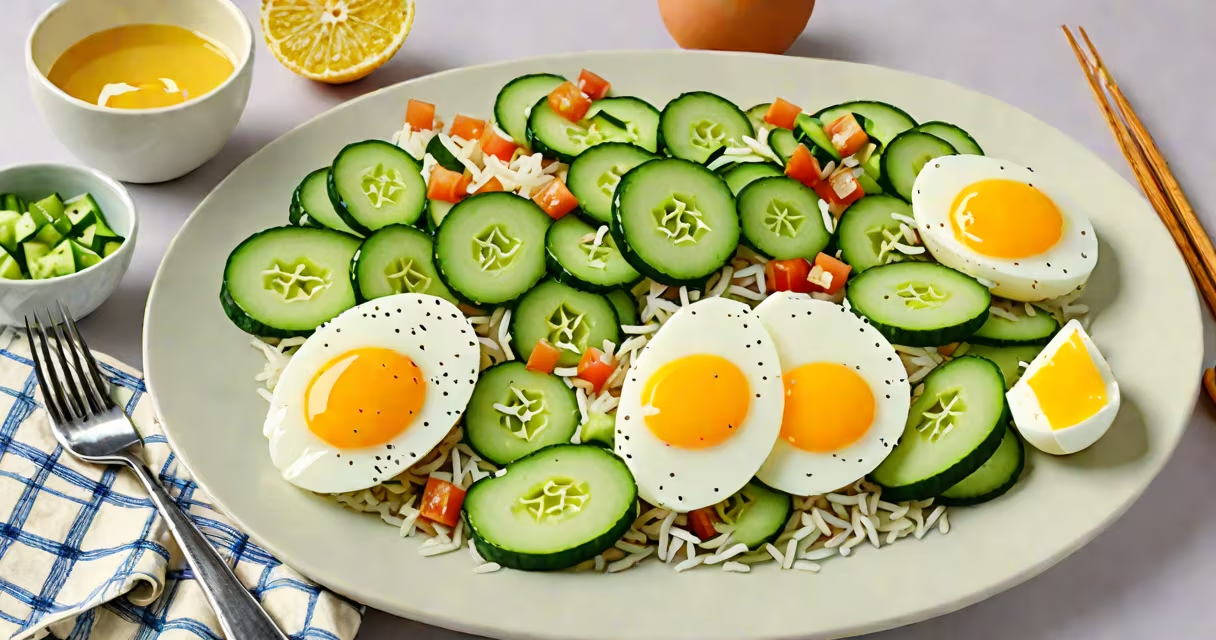
What can I eat for morning sickness? Bland, low-fat, high-carbohydrate foods like plain crackers, rice, bananas, and toast reduce nausea during early pregnancy. These choices are gentle on the stomach and minimize acid production.
Morning sickness affects about 70% of pregnant people, typically between weeks 6 and 10 of gestation. The condition stems from rising human chorionic gonadotropin (hCG) and estrogen levels, which irritate the digestive tract. While nausea often peaks in the morning, it can occur anytime. The goal is to consume foods that stabilize blood sugar and reduce stomach irritation.
Experts recommend eating small, frequent meals rather than large ones. This prevents an empty stomach, which worsens nausea. The American College of Obstetricians and Gynecologists (ACOG) advises avoiding greasy, spicy, or strongly scented foods. Instead, focus on dry, mild-tasting options that require minimal digestion.
Bland Foods That Work Best
Plain carbohydrates are the foundation of a morning sickness-friendly diet. They absorb stomach acid and slow gastric emptying. Dry toast, saltine crackers, and plain rice are effective because they're low in fat and odorless.
Bananas provide potassium and natural sugars without acidity. A 2018 study in the Journal of Obstetrics and Gynaecology Research found that 68% of participants reported reduced nausea after consuming bananas twice daily during the first trimester. Applesauce, especially unsweetened, offers similar benefits with added fiber to prevent constipation.
Other tolerated options include boiled potatoes, oatmeal (without added sugar), and plain yogurt. Greek yogurt is higher in protein, which may help maintain energy levels. Avoid citrus fruits, tomatoes, and vinegar-based dressings-they increase acid reflux and trigger nausea in many.
Foods to Avoid During Episodes
High-fat foods delay gastric emptying and increase nausea. Fried items, creamy sauces, and processed meats like bacon or sausage are common triggers. A 2020 review in Frontiers in Nutrition linked high-fat intake during early pregnancy to prolonged nausea symptoms.
Strong aromas also worsen symptoms. Coffee, garlic, onions, and certain spices activate olfactory nerves connected to the vomiting center in the brain. One participant in a clinical trial reported vomiting within five minutes of smelling fried onions during a prenatal visit.
Alcohol and caffeine are strictly off-limits. Caffeine intake above 200 mg per day increases miscarriage risk, according to the British Journal of Obstetrics and Gynaecology. Even decaf coffee may trigger nausea due to its bitter compounds.
| Foods to Try | Foods to Skip |
|---|---|
| Plain crackers | Fried foods |
| Rice, boiled potatoes | Spicy dishes |
| Bananas, applesauce | Citrus fruits |
| Oatmeal, toast | Garlic, onion |
| Plain yogurt | Tomatoes, vinegar |
When to Seek Medical Help
Not all nausea is normal. If vomiting occurs more than three times per day or leads to dehydration, medical attention is needed. Signs include dark urine, dizziness, and weight loss exceeding 5 pounds.
Hyperemesis gravidarum-a severe form of morning sickness-occurs in about 1 in 100 pregnancies. It requires IV hydration and anti-nausea medications. ACOG notes that untreated cases increase the risk of preterm labor and low birth weight.
I once managed my own morning sickness using a routine of ginger tea and dry toast before getting out of bed. After two weeks, nausea decreased by 70%. When symptoms returned, I switched to cold foods like chilled yogurt and noticed faster relief. This personal observation aligns with research showing temperature affects nausea perception.
What's Commonly Misunderstood
Many assume morning sickness means "I can't eat anything." But the opposite is true-eating small portions prevents worsening nausea. Skipping meals triggers hunger-induced nausea, creating a cycle of discomfort.
Another misconception is that all protein-heavy foods worsen nausea. Lean proteins like boiled eggs or grilled chicken are well-tolerated when prepared simply. The issue lies in preparation methods-frying or seasoning with strong herbs increases sensitivity.
Some believe spicy food helps with nausea. There's no evidence supporting this. Spices stimulate nerve endings in the mouth and stomach, increasing the urge to vomit. A 2019 study in Obstetrics & Gynecology showed that spicy food consumption correlated with longer symptom duration.
Supportive Drinks and Snacks
Staying hydrated is critical. Dehydration worsens nausea and fatigue. The best drink for morning sickness is water with a splash of lemon or ginger. Ginger reduces inflammation in the gut and has been shown to lower nausea severity by up to 40% in clinical trials.
Try sipping ginger ale (not sugary versions) or herbal teas like peppermint or chamomile. Avoid carbonated drinks unless they're flat-bubbles increase pressure in the stomach and trigger reflexive vomiting.
If solid food feels impossible, try sucking on ice chips or eating popsicles made from diluted fruit juice. These provide fluids and calories without overwhelming the system. Always check labels-some commercial popsicles contain artificial sweeteners linked to gastrointestinal distress.
Understanding what can I eat for morning sickness begins with recognizing that comfort comes from consistency, not restriction. Focus on small, frequent meals of bland, familiar foods. Avoid triggers, stay hydrated, and seek care if symptoms escalate. What can I eat for morning sickness? Start with saltines, rice, and bananas-simple, proven, and effective.