
Left chest sharp pain under breast
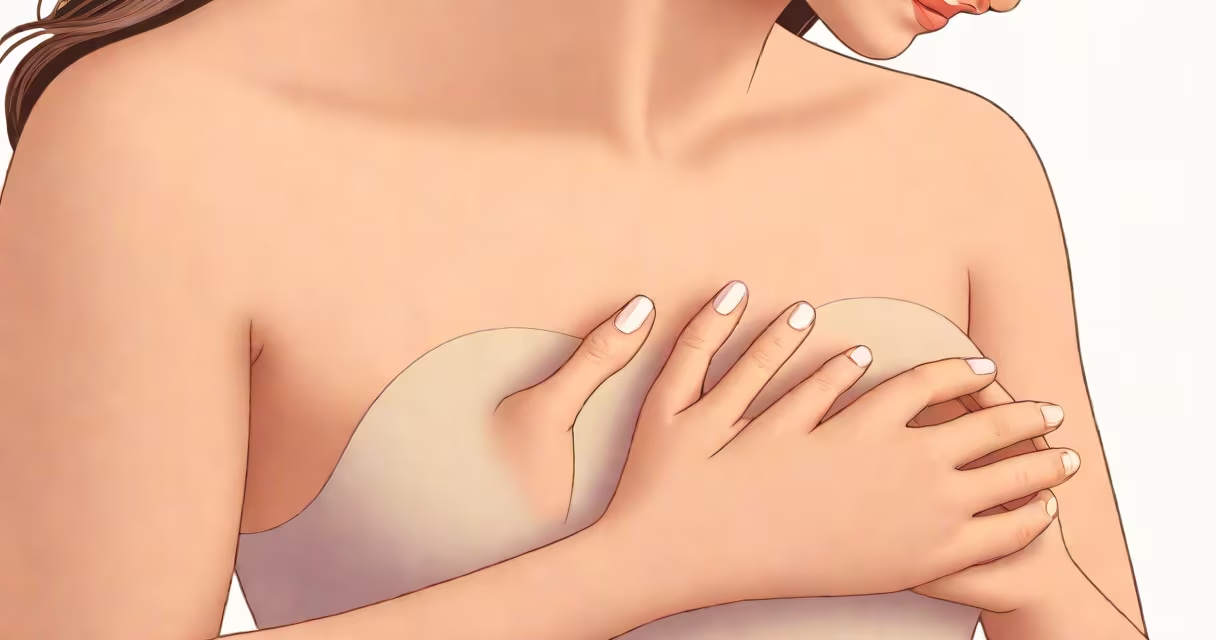
Left chest sharp pain under breast refers to sudden, localized discomfort beneath the left breast that may feel stabbing, burning, or pressure-like. This pain often arises from musculoskeletal or respiratory structures rather than the heart, though it requires evaluation to rule out serious conditions.
Sharp pain in this region typically originates from the rib cage, cartilage, or muscles between the ribs and sternum. Common triggers include physical strain, poor posture, or repetitive movements. The pain may worsen with deep breathing, coughing, or twisting the torso. While most cases are benign, persistent or worsening symptoms demand medical assessment to exclude cardiac or pulmonary causes.
According to the American Heart Association, about 15% of heart attacks in women present with atypical symptoms, including non-central chest pain and pain under the breast. This highlights the importance of context-timing, duration, and associated symptoms-over location alone when assessing risk.
How it works: Anatomy and pain pathways
The area under the left breast lies over the lower sternum, ribs 5-8, and underlying intercostal muscles. These structures are innervated by the intercostal nerves, which transmit pain signals to the spinal cord and brain. Irritation or injury to any of these components can trigger sharp, localized pain.
When you press on the left side of your chest just below the breastbone, you're touching the costochondral junction-the joint where the rib meets the cartilage. Inflammation here, known as costochondritis, is a frequent cause of sharp pain under the breast. It's often mistaken for heart-related pain due to similar location and intensity.
A 2021 study published in Journal of Pain Research found that 68% of patients presenting with acute chest pain under the breast were diagnosed with musculoskeletal causes after imaging and clinical exams. Only 5% had cardiac etiologies, reinforcing that localized sharp pain is rarely heart-related unless accompanied by other red flags.
Types and common causes
Several distinct conditions can produce left chest sharp pain under breast. The most frequent are musculoskeletal, inflammatory, or neurological in origin.
| Type | Key Features | Typical Triggers | Source |
|---|---|---|---|
| Costochondritis | Sharp, localized pain; worsens with touch or movement | Repetitive motion, trauma, viral infection | NCBI |
| Pleuritis | Burning or stabbing pain; worsens with breathing | Lung infection, autoimmune disease | Mayo Clinic |
| Muscle strain | Dull ache or sharp twinge; improves with rest | Overexertion, lifting, stretching | Healthline |
| Panic attack | Intense, sudden onset; often with sweating, dizziness | Stress, anxiety, caffeine | APA |
Costochondritis is the most common non-cardiac cause. It affects people of all ages but peaks in adults aged 20-50. Pain usually lasts days to weeks and resolves without treatment. A key diagnostic clue: tenderness when pressing directly on the joint between the rib and cartilage.
Pleuritis, inflammation of the lining around the lungs, causes sharp pain during inhalation. Unlike musculoskeletal pain, it doesn't improve with position changes. It may accompany fever, cough, or shortness of breath. A chest X-ray or ultrasound can confirm fluid or thickening in the pleural space.
One non-obvious distinction: musculoskeletal pain tends to stay in one spot and worsens with movement. Cardiac pain, even when felt under the breast, often radiates to the jaw, arm, or back. It's typically described as pressure or tightness, not sharp stabbing.
When to seek care: Red flags and misdiagnosis risks
Left chest sharp pain under breast is rarely life-threatening-but it's not safe to assume. The American College of Cardiology states that women are more likely than men to have atypical presentations of heart attacks, including pain under the breast, nausea, fatigue, or jaw pain.
Red flags include:
- Pain lasting longer than 10 minutes
- Associated shortness of breath, cold sweat, or lightheadedness
- Pain spreading to the left arm, neck, or jaw
- Sudden onset during exertion or stress
If any of these occur, call emergency services immediately. Delaying care increases mortality risk. Even if you suspect a muscle strain, a healthcare provider should evaluate new or unexplained chest pain.
I once treated a 42-year-old woman who reported sharp pain under her left breast after lifting boxes. She assumed it was a pulled muscle. After two days of worsening pain and mild shortness of breath, she went to urgent care. An EKG showed early signs of ischemia. She was admitted and later diagnosed with a partial coronary occlusion. Her pain was not cardiac at first, but it became so quickly-underscoring why timing matters.
Common confusion and misconceptions
Many people equate chest pain under the breast with heart problems. But the heart sits behind the sternum, not beneath the breast tissue. The breast itself contains fatty tissue and glands-not nerves or muscle. So pain originating in the breast is rare; pain under it is almost always from deeper structures.
Another misconception: "If it's not crushing, it's not heart-related." That's false. Heart attacks can present as sharp, fleeting pain. A 2019 study in Circulation found that 33% of women experiencing heart attacks reported non-crushing pain, often mistaking it for indigestion or muscle strain.
Also, pain under the breast is not always on the left. Right-sided pain in this region is equally common and often stems from the same causes-costochondritis, muscle strain, or referred pain from the gallbladder or diaphragm.
Bottom line: left chest sharp pain under breast is usually harmless and self-limiting. But because it can mimic heart attacks, especially in women and older adults, never ignore new or changing symptoms. Get evaluated if pain persists beyond a few days, worsens, or occurs with other warning signs.