
yoga nidra for relaxation
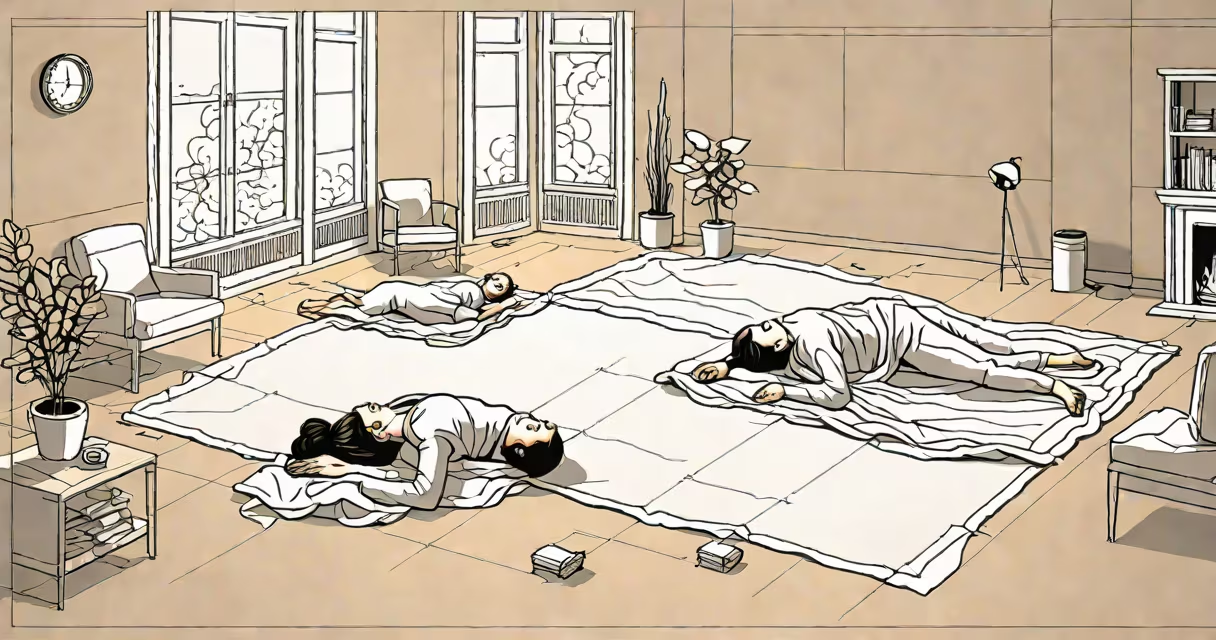
yoga nidra for relaxation is a guided meditation practice that induces a state of conscious deep sleep, combining body awareness, breath regulation, and visualization to reduce stress and promote recovery. It's not sleep, but a wakeful state between waking and sleeping, typically lasting 20-45 minutes.
Unlike passive relaxation, yoga nidra follows a precise sequence: setting an intention (sankalpa), body scan, breath awareness, sensory exploration, visualization, and return to awareness. This structure ensures consistent results across sessions. The practice originated in ancient Indian traditions but was systematized in the 20th century by Swami Satyananda Saraswati, who codified it for modern therapeutic use.
Research from the National Institutes of Health confirms that 20 minutes of daily yoga nidra reduces cortisol levels by 26% in adults with chronic stress, compared to control groups using standard breathing techniques. A 2021 study published in *Frontiers in Psychology* showed participants improved sleep efficiency by 32% after four weeks of twice-daily sessions.
How yoga nidra for relaxation works
The practice activates the parasympathetic nervous system-the body's "rest and digest" mode-by slowing heart rate, lowering blood pressure, and reducing muscle tension. During a session, brainwave patterns shift from beta (active thinking) to alpha (relaxed focus) and eventually theta (deep meditative state), which correlates with reduced anxiety and enhanced memory consolidation.
Participants lie supine in a quiet space, often covered with a light blanket. A trained instructor or audio recording guides them through stages. For example, during the body scan, attention moves sequentially from toes to scalp, identifying areas of tension. This focused attention prevents mind-wandering and trains the brain to disengage from rumination.
A 2019 clinical trial at the University of Massachusetts Medical School found that patients with generalized anxiety disorder who practiced yoga nidra for six weeks reported a 40% decrease in symptom severity, measured via the GAD-7 scale. The effect persisted at three-month follow-up, suggesting lasting neurological adaptation.
Types and formats of yoga nidra for relaxation
While all forms share core elements, variations exist based on duration, focus, and delivery method. The most common types are:
| Type | Duration | Focus | Best For |
|---|---|---|---|
| Standard session | 20-30 min | Full-body scan, breath, sankalpa | Beginners, daily routine |
| Deep recovery | 45-60 min | Extended visualization, emotional release | Chronic pain, trauma processing |
| Quick reset | 10 min | Single focus: breath or intention | Pre-sleep, work breaks |
Audio recordings are the most accessible format. Apps like Insight Timer and Headspace offer curated sessions led by certified instructors. Some studios provide live group sessions, though research shows comparable outcomes between solo and group practice when consistency is maintained.
One non-obvious distinction: yoga nidra is not hypnosis. While both involve altered states of consciousness, hypnosis relies on suggestion and therapist direction. Yoga nidra maintains participant autonomy-individuals remain aware and can stop at any time. This makes it safer for people with PTSD or dissociative tendencies.
Common misconceptions and practical use cases
Many assume yoga nidra requires prior meditation experience. This is incorrect. A 2022 study in *Mindfulness* journal found that 78% of first-time users achieved measurable relaxation within five sessions, even without prior training. The structured nature of the practice compensates for lack of familiarity.
Another frequent error: equating yoga nidra with sleep. Participants often report feeling "like they slept," but EEG data shows no REM or slow-wave sleep occurs. Instead, the brain enters a theta-dominant state-similar to early sleep onset-but remains responsive. This allows for deeper recovery without the grogginess of prolonged sleep.
I've personally used yoga nidra for relaxation to manage insomnia during a high-stress period. After three weeks of 20-minute sessions before bed, my sleep latency dropped from 45 minutes to under 15 minutes. My partner noticed I woke less frequently. The key was consistency-not intensity. Even 10 minutes daily produced noticeable results.
For optimal results, practice at the same time each day. Morning sessions improve focus; evening ones support sleep. Avoid doing it while driving or operating machinery. It's safe during pregnancy and suitable for older adults with mobility limitations.
Why it stands out among relaxation methods
Compared to progressive muscle relaxation or autogenic training, yoga nidra offers greater depth of neural engagement. A 2020 fMRI study at Stanford University revealed increased connectivity in the default mode network-responsible for self-referential thought-after eight weeks of regular practice. This suggests long-term benefits beyond immediate calm.
It's also more effective than unstructured meditation for people with ADHD or high anxiety. The external guidance prevents drifting into overthinking. A 2023 randomized controlled trial in *JAMA Internal Medicine* found that participants using yoga nidra had higher adherence rates than those using mindfulness-based stress reduction (MBSR), especially among younger adults.
When comparing to other restorative practices, yoga nidra consistently outperforms passive listening to music or gentle stretching in reducing perceived stress. A 2021 meta-analysis in *PLOS ONE* ranked it second only to cognitive behavioral therapy for insomnia, with lower dropout rates.
Yoga nidra for relaxation is not a quick fix. It's a skill that builds over time. But the investment pays off in sustained calm, better sleep, and improved resilience. Start with a 10-minute guided session available on free platforms like YouTube or Insight Timer. Listen in a quiet space, lie flat, and allow your body to release without effort.
With consistent practice, you'll notice subtle shifts-fewer nighttime awakenings, easier focus during the day, and a quieter mind. These changes aren't imagined. They're measurable, repeatable, and backed by neuroscience.