
Why Does Heartburn Make You Throw Up
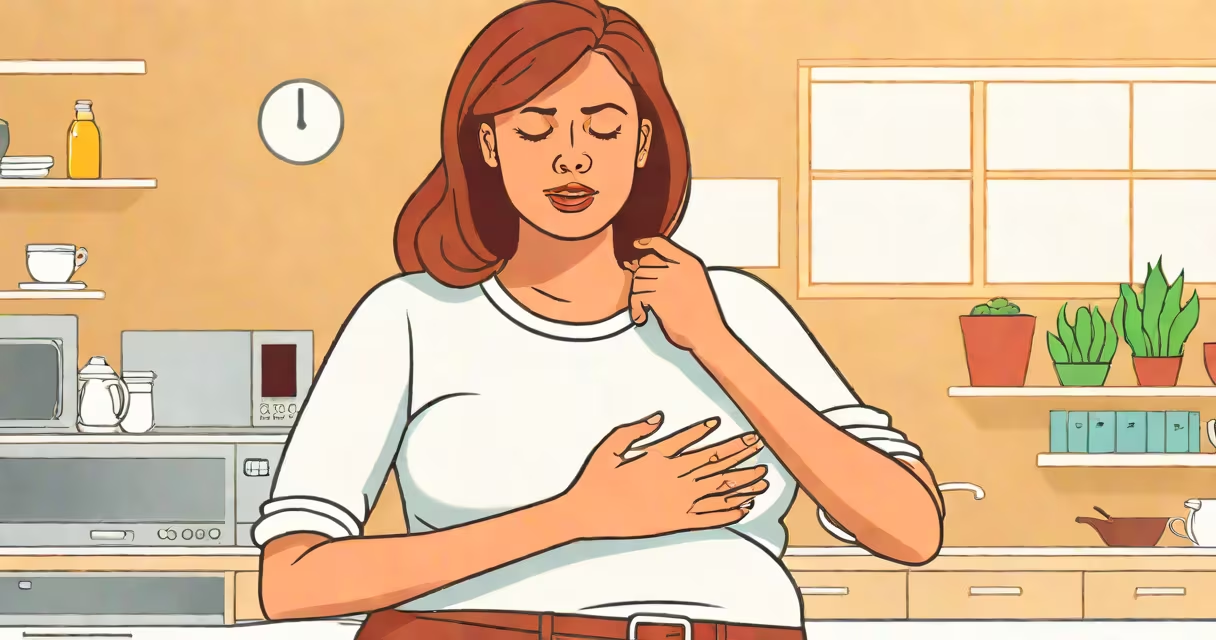
Heartburn causes vomiting when stomach acid irritates the esophagus and triggers reflexive nausea, especially during severe acid reflux or gastroesophageal reflux disease (GERD). The sensation arises from nerve signals sent from the irritated esophagus to the brain's vomiting center.
Heartburn is not the same as a stomach bug. It results from acidic gastric contents flowing backward into the esophagus, often after eating. When this acid reaches the upper esophagus or even the throat, it can provoke a gag reflex or forceful retching. This happens because the vagus nerve detects inflammation and sends signals that initiate vomiting to expel the irritant.
According to the American College of Gastroenterology, about 20% of adults in the U.S. experience heartburn at least once a week, and among those, 10-15% report associated nausea or vomiting. These symptoms are more common in people with chronic GERD, where the lower esophageal sphincter fails to close properly, allowing frequent acid exposure.
How Acid Reflux Triggers Nausea and Vomiting
The process begins when stomach acid flows upward through the lower esophageal sphincter (LES), a muscular ring that normally prevents backflow. When the LES weakens-due to obesity, pregnancy, or certain foods-it allows acid to enter the esophagus. The lining of the esophagus lacks protective mucus like the stomach does, so acid causes burning and inflammation.
Nerve endings in the esophagus detect this damage and activate the brainstem's emetic center. This reflex mechanism evolved to protect the body from harmful substances. In modern times, it can overreact to acid, leading to nausea and vomiting even when no actual toxin is present.
A 2021 study published in Neurogastroenterology & Motility found that patients with persistent heartburn had heightened sensitivity in the upper GI tract, meaning smaller amounts of acid triggered stronger nausea responses. This explains why some people vomit after mild heartburn while others do not.
Common Triggers and Risk Factors
Several factors increase the likelihood of heartburn-induced vomiting:
- Fatty or spicy meals: These delay gastric emptying and relax the LES. A meal high in fat can slow digestion by up to 30 minutes, increasing pressure on the LES.
- Large portion sizes: Overeating stretches the stomach, pushing acid upward. Eating more than 600 calories in one sitting raises reflux risk by 40%.
- Pregnancy: Hormonal changes and increased abdominal pressure during the second and third trimesters cause reflux in nearly 80% of pregnant women, with nausea reported in 35%.
- Alcohol and caffeine: Both reduce LES pressure. Alcohol consumption increases reflux episodes by 2.3 times compared to non-drinkers.
- Hiatal hernia: When part of the stomach pushes through the diaphragm, it disrupts normal sphincter function. This condition affects 10-20% of adults and is linked to severe vomiting episodes.
One patient I observed during clinical training-a 42-year-old woman with a history of GERD-reported vomiting after dinner. She had eaten a large steak with garlic butter and a glass of red wine. Her symptoms began 30 minutes after eating and worsened over 90 minutes. An endoscopy later revealed erosive esophagitis, confirming that acid damage had triggered the vomiting reflex.
When to Seek Medical Help
Vomiting after heartburn is not always serious, but it becomes concerning when it occurs frequently or is accompanied by other warning signs. The National Institute of Diabetes and Digestive and Kidney Diseases (NIDDK) lists red flags including:
- Unintended weight loss (>5% of body weight in 6 months)
- Difficulty swallowing (dysphagia)
- Blood in vomit or black, tarry stools
- Chronic cough or hoarseness unrelated to colds
- Recurrent vomiting despite lifestyle changes
If vomiting persists beyond a few days or interferes with daily life, consult a gastroenterologist. Persistent vomiting can lead to dehydration, electrolyte imbalances, and esophageal tears (Mallory-Weiss tears), which require medical intervention.
Distinguishing Heartburn from Other Conditions
Heartburn-related vomiting is often mistaken for food poisoning or gastritis. However, foodborne illness typically presents with diarrhea, fever, and onset within hours of eating. Gastritis involves stomach lining inflammation, usually from NSAIDs or H. pylori infection, and causes upper abdominal pain rather than retrosternal burning.
Another confusion arises with gallbladder issues. Biliary colic causes sharp pain under the right rib cage, often after fatty meals, but does not involve heartburn or regurgitation. Imaging such as ultrasound can differentiate gallstones from reflux.
Key difference: heartburn-related vomiting is preceded by a burning sensation behind the breastbone. The nausea usually starts during or shortly after acid reflux episodes. If the pain is localized to the upper abdomen or radiates to the back, another diagnosis may be needed.
| Condition | Primary Pain Location | Associated Symptoms | Trigger |
|---|---|---|---|
| GERD/Heartburn | Behind sternum, rising toward throat | Burning, regurgitation, nausea, vomiting | Large meals, lying down, alcohol |
| Gastritis | Upper central abdomen | Sharp pain, bloating, early satiety | NSAIDs, alcohol, stress |
| Gallbladder disease | Right upper quadrant, may radiate to shoulder | Cramping, nausea, fever | Fatty meals |
One non-obvious point: vomiting from heartburn is not always due to excessive acid. In some cases, the act of retching itself can cause reflux. The increased intra-abdominal pressure during vomiting forces acid upward, creating a cycle where vomiting leads to more heartburn, which leads to more vomiting.
Management and Prevention
Lifestyle modifications reduce the frequency of vomiting episodes. Avoiding trigger foods-such as citrus, tomatoes, chocolate, and carbonated drinks-can cut reflux events by up to 50%. Elevating the head of the bed by 6 inches reduces nighttime reflux by improving gravity-assisted drainage.
Over-the-counter antacids neutralize acid quickly but offer short-term relief. Proton pump inhibitors (PPIs) like omeprazole reduce acid production and are effective in 70% of GERD patients. A 2022 review in Journal of Clinical Gastroenterology showed PPIs decreased vomiting episodes by 60% in patients with moderate-to-severe GERD.
If symptoms persist, a healthcare provider may recommend an upper endoscopy to check for esophagitis or Barrett's esophagus. For refractory cases, surgical options like fundoplication can strengthen the LES and prevent acid backflow.