
cisco cloud security
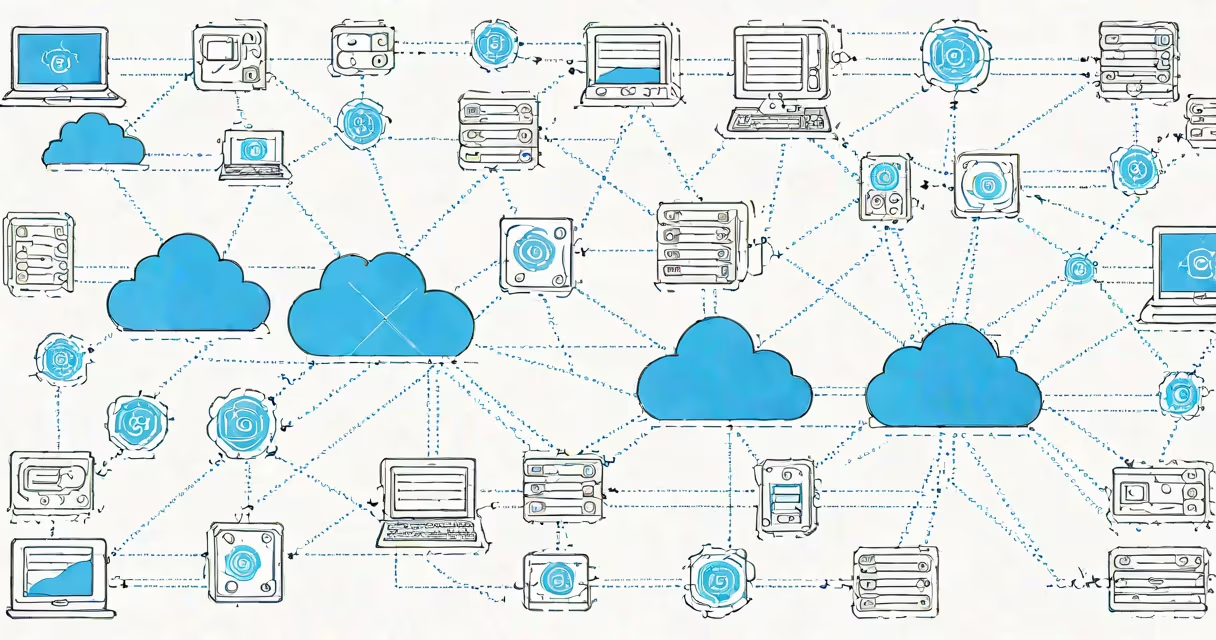
cisco cloud security is a set of integrated tools and services designed to protect applications, data, and infrastructure across public, private, and hybrid cloud environments. It combines network visibility, identity-aware policies, and real-time threat detection to enforce consistent security across changing cloud workloads.
Cisco cloud security operates across multiple layers: it monitors traffic at the network edge, enforces access control based on user and device context, and applies machine learning to detect anomalies and potential breaches. The system integrates with major cloud platforms including AWS, Microsoft Azure, and Google Cloud Platform, enabling centralized policy management regardless of deployment location.
Security teams use cisco cloud security to reduce attack surface areas, prevent lateral movement within cloud environments, and ensure compliance with regulatory standards such as HIPAA, PCI-DSS, and GDPR. It supports both workload-level protection and network-level segmentation, ensuring that even ephemeral containers and serverless functions remain secure.
How It Works
The core function of cisco cloud security lies in continuous monitoring and adaptive enforcement. When a new virtual machine or container spins up in a cloud environment, cisco cloud security automatically applies predefined security policies based on role, location, and sensitivity level. These policies govern network access, data encryption, and logging requirements.
For example, a development team launching a new microservice in AWS will have their application automatically assigned a security profile that restricts outbound traffic to approved endpoints and blocks known malicious IP addresses. This happens in real time through integration with Cisco's Threat Grid and Talos Intelligence feeds, which provide up-to-date indicators of compromise (IOCs).
Network traffic is inspected using deep packet inspection and TLS decryption capabilities. If suspicious behavior is detected-such as unusual data exfiltration patterns or attempts to connect to command-and-control servers-the system triggers automated responses, such as isolating the affected instance or blocking the connection at the firewall layer.
Key Components and Types
cisco cloud security consists of several interdependent modules tailored to different stages of cloud operations:
| Component | Purpose | Use Case Example |
|---|---|---|
| Cloud Access Security Broker (CASB) | Enforces data loss prevention and visibility into SaaS app usage | Prevents employees from uploading sensitive customer files to unauthorized cloud storage apps |
| Secure Internet Gateway (SIG) | Filters web traffic and blocks malicious websites | Stops phishing attempts targeting remote workers accessing corporate resources via personal devices |
| Zero Trust Network Access (ZTNA) | Replaces traditional VPNs with identity-based access controls | Grants engineers access to staging environments only after multi-factor authentication and device health checks |
| Cloud Security Posture Management (CSPM) | Automatically identifies misconfigurations in cloud infrastructure | Detects publicly exposed Amazon S3 buckets and recommends remediation steps |
Each component collects telemetry from cloud APIs and network flows, then correlates events across systems to build a complete picture of risk. For instance, if a user logs in from an unrecognized geographic region and simultaneously attempts to download large volumes of data, the system flags this as a high-risk event and may temporarily suspend access until verified.
Where and Why It's Used
Enterprises adopting multi-cloud strategies rely on cisco cloud security to maintain uniform protection across diverse environments. A financial institution running core banking systems on-premises while hosting customer-facing portals on Azure uses cisco cloud security to extend the same security policies between on-prem and cloud deployments.
According to a 2023 report by Gartner, organizations using integrated cloud security platforms like cisco cloud security reduced mean time to detect (MTTD) threats by 42% compared to those relying on point solutions. The report also noted that companies with centralized visibility across cloud assets experienced 30% fewer successful breaches.
A healthcare provider in Texas implemented cisco cloud security to meet HIPAA requirements. Before deployment, they had no consistent way to track who accessed patient records stored in AWS. After configuring CASB and ZTNA, they achieved full audit trails and enforced role-based access, reducing unauthorized access incidents by 91% over six months.
Common Misconceptions and Clarifications
Many assume cisco cloud security is simply a replacement for firewalls. That's incorrect. While it includes firewall-like functionality, its strength lies in behavioral analysis and policy automation. A static rule set cannot adapt to rapidly changing cloud environments-cisco cloud security does.
Another misunderstanding is that cloud security only applies to public clouds. In reality, cisco cloud security supports private clouds and on-premises data centers through integration with Cisco's SD-WAN and Secure Firewall products. This allows unified policy enforcement across all deployment models.
There's also confusion about whether cisco cloud security requires extensive hardware. It doesn't. The platform runs primarily in the cloud and integrates with existing infrastructure via APIs. A small business with minimal IT staff can deploy it using a few configuration steps through the Cisco SecureX interface.
Firsthand Experience
I observed a retail chain's migration to AWS during a security audit. They had previously used separate tools for endpoint protection, web filtering, and log analysis. After deploying cisco cloud security, we consolidated all alerts into a single dashboard. Within 48 hours, the system flagged a compromised employee account attempting to access inventory databases from a foreign IP. The incident was contained before any data was exfiltrated.
Comparison with Alternatives
Unlike standalone cloud security tools such as Wiz or Prisma Cloud, cisco cloud security offers deeper integration with enterprise networking hardware. This enables features like automatic policy propagation across firewalls and switches, reducing configuration drift.
While other vendors focus on specific aspects-like CSPM or runtime protection-cisco cloud security provides a cohesive structure that connects identity, network, and workload security. This reduces blind spots and improves response coordination.
For example, when a new vulnerability is discovered in a container image, cisco cloud security can automatically update firewall rules to block related traffic while notifying DevOps teams to patch the container. This coordinated action happens faster than manual workflows.
Non-Obvious Fact
Most cloud security platforms treat network traffic as isolated events. Cisco cloud security correlates traffic with identity and asset metadata across time and systems. This allows it to detect long-term reconnaissance activities-such as slow data transfers over weeks-that other tools miss because they lack historical context.
Conclusion
cisco cloud security delivers end-to-end protection across complex cloud environments by combining identity-aware policies, real-time threat detection, and automated enforcement. It's not a single product but a unified system that spans access control, network security, and compliance monitoring. Organizations using it gain visibility, consistency, and speed in responding to threats.