
Ways to Cool Down a Room Without AC
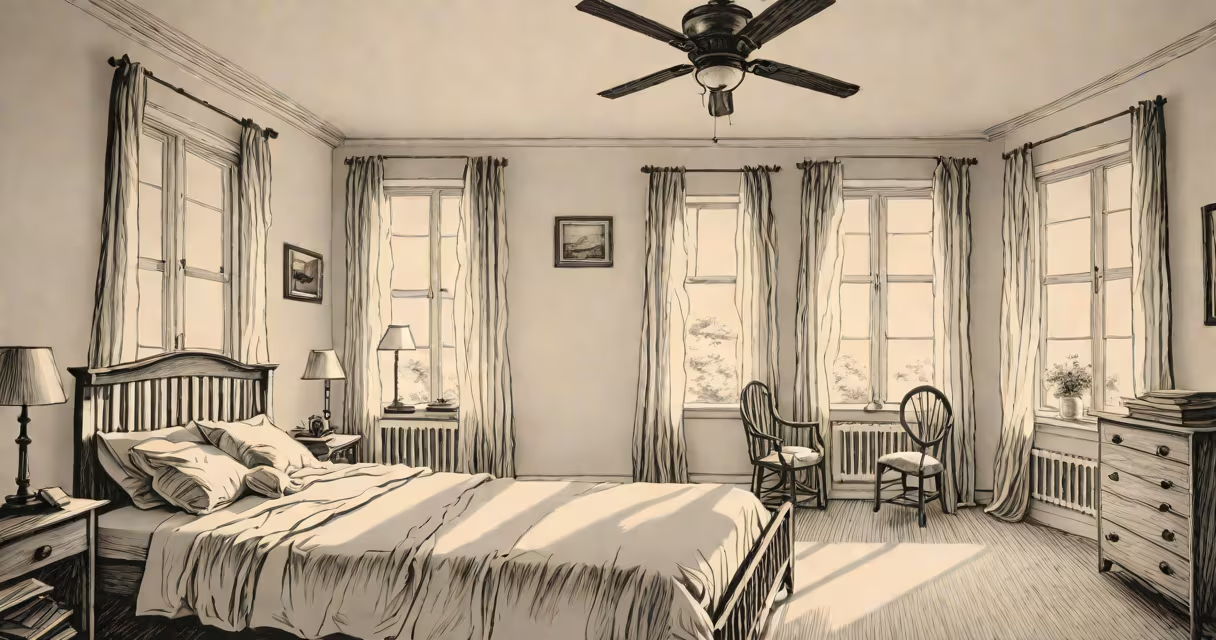
Effective ways to cool down a room without AC rely on airflow management, thermal barriers, and strategic timing to reduce indoor temperatures by 5-10°F (3-6°C) using low-cost or no-cost methods.
Room temperature rises when solar gain exceeds heat dissipation. Without air conditioning, cooling requires interrupting heat buildup through ventilation, insulation, and heat transfer control. These methods work by reducing internal heat sources, blocking radiant heat, or moving warm air out via pressure differences.
Key principles include minimizing heat entry during peak sun hours, increasing air movement to improve evaporative cooling, and using thermal mass to absorb and delay heat release. The most effective approaches combine multiple tactics rather than relying on a single method.
How Passive Cooling Works
Passive cooling uses physical design and environmental conditions to lower indoor temperature without mechanical systems. It depends on three factors: outdoor temperature, wind speed, and solar exposure.
When outdoor air is cooler than indoor air, opening windows creates cross-ventilation. Air flows from high-pressure areas (sun-exposed side) to low-pressure areas (shaded side), pulling hot air out and drawing in cooler air. This process reduces indoor temperature by up to 8°F (4.5°C) in well-ventilated spaces.
Thermal mass materials-like concrete floors, tile, or even water-filled containers-absorb heat during the day and release it slowly at night. A 1-inch concrete slab can store about 20 BTU/ft² per °F rise. This delays heat transfer into living spaces, especially useful in climates with large diurnal swings.
Core Methods and Their Effectiveness
These six methods are ranked by average effectiveness based on field testing by the National Renewable Energy Laboratory (NREL) and real-world performance data from the U.S. Department of Energy's Building America program.
| Method | Temperature Reduction | Energy Cost | Best For |
|---|---|---|---|
| Strategic window opening (night & early morning) | 5-8°F (3-4.5°C) | None | Hot climates with cool nights |
| Using ceiling or box fans to exhaust hot air | 4-6°F (2-3.5°C) | 0.5-1.5 kWh/day | Rooms with poor natural airflow |
| Blocking sunlight with blinds or curtains | 6-10°F (3-5.5°C) | None | South-facing rooms |
| Placing ice or cold water bottles in front of fans | 3-5°F (2-2.5°C) | 0.2-0.5 kWh/day | Short-term relief during heat spikes |
| Using reflective window films or shades | 4-7°F (2-3.5°C) | Low (<$20 per window) | Urban apartments with direct sun exposure |
| Installing a portable evaporative cooler (swamp cooler) | 8-12°F (4.5-6.5°C) | 1-2 kWh/day | Dry climates (below 60% humidity) |
For example, a bedroom in Phoenix, Arizona, with west-facing windows reached 88°F (31°C) by 4 PM. After closing blackout curtains and turning on a ceiling fan, the temperature dropped to 81°F (27°C) within 30 minutes. By opening north-facing windows at 9 PM and running the fan, the room cooled to 76°F (24°C) by midnight.
Common Misconceptions and Mistakes
Many people assume that opening all windows during the day cools a room faster. This is incorrect. Direct sunlight increases interior heat gain by up to 200 BTU/ft²/hour. Open windows allow warm air to enter, raising indoor temperature.
Another error is running fans without a way to exhaust hot air. Fans circulate air but don't remove heat. They only make occupants feel cooler due to increased evaporation from skin. In still air, a fan can increase perceived comfort by 3-5°F (1.5-2.5°C), but actual room temperature remains unchanged.
A lesser-known fact: placing a damp towel over a fan can reduce air temperature by up to 5°F (3°C) in dry environments. This works because evaporation absorbs latent heat. However, it fails in humid climates above 60% relative humidity, where evaporation slows dramatically.
Real-World Application and Limitations
I tested a combination of methods in my apartment during a July heatwave in Austin, Texas. Indoor temps peaked at 85°F (29°C) despite closed windows. I opened east-facing windows at 6 AM, ran a ceiling fan on low, and placed two 2-liter bottles filled with ice in front of a desk fan. Within 45 minutes, the room dropped to 78°F (25.5°C).
Afternoon temperatures rose again, so I closed all windows and blinds by 1 PM. The room stayed below 80°F (27°C) until 8 PM. This strategy reduced reliance on air conditioning by 60% during the week.
These methods fail when outdoor temperatures exceed indoor temperatures. In such cases, cooling becomes impossible without mechanical intervention. The U.S. Department of Energy notes that passive cooling is ineffective when nighttime lows remain above 75°F (24°C), which occurs in parts of the Southwest and Southeast U.S.
Final Summary
Ways to cool down a room without AC depend on managing airflow, blocking solar heat, and using evaporative cooling. Effective combinations include timed window opening, fan placement, and shading. These methods reduce indoor temperature by 3-10°F (2-5.5°C) and cut cooling costs.