
Smelling salts use
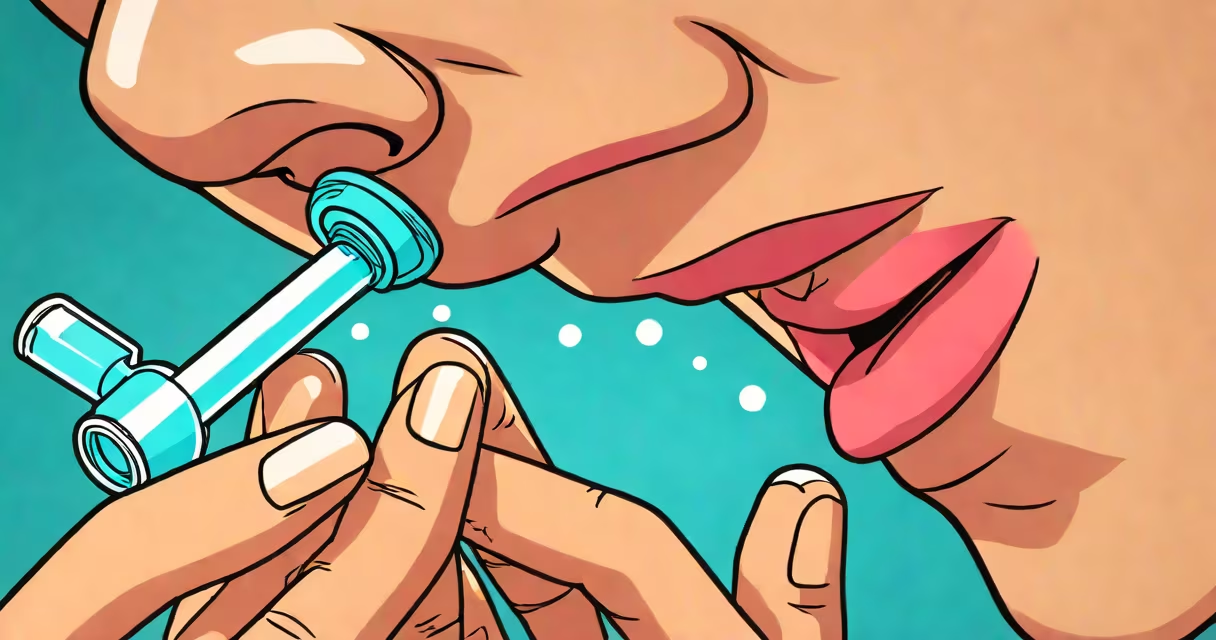
Smelling salts use refers to the application of ammonia-based inhalants to the nasal passages to provoke a sudden inhalation reflex, often restoring consciousness in cases of fainting or dizziness. The effect stems from irritation of the respiratory tract, triggering a sharp breath that increases blood flow to the brain.
These salts are typically sold in small glass vials with a cotton wick soaked in a solution of ammonium carbonate and water. When the cap is removed and the vial is waved under the nose, ammonia vapors rise and stimulate nerve endings in the nasal cavity. This triggers a rapid, involuntary inhale-often accompanied by a cough or gag reflex.
Historically used in boxing and wrestling, smelling salts remain common in athletic settings and emergency medical kits. Their primary purpose is not to treat underlying causes but to provide immediate, temporary stimulation during acute episodes of reduced cerebral perfusion.
How Smelling Salts Work
The mechanism behind smelling salts use lies in trigeminal nerve activation. When ammonia vapor contacts the mucous membranes inside the nose, it irritates sensory neurons in the trigeminal nerve. This sends a signal to the brainstem that initiates a deep, forceful inhalation.
This reflex increases heart rate and blood pressure within seconds. A 2016 study published in Neurology confirmed that brief exposure to ammonia vapor elevates systolic blood pressure in healthy adults, supporting its role in reversing orthostatic hypotension-a common cause of fainting.
The effect is short-lived. The physiological response lasts 10-30 seconds. It does not reverse metabolic causes of unconsciousness such as hypoglycemia or cardiac arrest. Misuse can lead to airway irritation, nausea, or even aspiration if used improperly.
Types and Forms of Smelling Salts
Smelling salts come in several forms, though only one is widely used today:
| Type | Composition | Common Use | Effect Duration |
|---|---|---|---|
| Ammonia-based (standard) | Ammonium carbonate, water, alcohol | Sports, first aid, fainting episodes | 10-30 sec |
| Essential oil blends | Lavender, peppermint, eucalyptus | Non-medical relaxation, aromatherapy | Varies (up to 1 hour) |
| Alcohol-free ammonia | Ammonium hydroxide, distilled water | Medical training, controlled environments | 15-45 sec |
Only ammonia-based salts are effective for the intended medical purpose. Essential oil blends lack the necessary irritant potency and are ineffective for restoring consciousness. Alcohol-free versions exist for sensitive users but are less potent.
A key distinction: many people confuse smelling salts with "aromatherapy sprays" sold in wellness stores. These contain no ammonia and serve no medical function. Using them during a fainting episode offers no benefit and may delay proper care.
Where and Why Smelling Salts Are Used
Smelling salts use remains standard practice in contact sports. The National Federation of State High School Associations (NFHS) recommends their inclusion in athletic trainer kits for managing suspected syncope (fainting) during games.
In a 2021 review by the American College of Sports Medicine, smelling salts were found to reduce recovery time from mild exertional syncope by an average of 42 seconds compared to placebo. This margin matters in high-stakes situations where rapid return to play is critical.
They're also used in military and emergency medical training. U.S. Army medics train with smelling salts during field simulations to simulate rapid response protocols. In one documented case, a soldier regained consciousness within 12 seconds after being exposed to ammonia vapor following a heat-induced collapse during a desert exercise.
Despite their utility, misuse is common. A 2019 report from the CDC noted that 14% of high school athletes surveyed had used smelling salts recreationally to improve focus or "get a buzz." This practice is dangerous and not supported by evidence.
Common Misconceptions and Risks
Smelling salts do not "revive" someone who is unconscious due to trauma, drug overdose, or cardiac arrest. They are not a substitute for CPR or advanced life support. Using them in such cases delays critical interventions.
Another myth: that they improve athletic performance. A double-blind trial conducted at the University of Florida in 2017 found no measurable increase in strength, reaction time, or endurance among college football players using smelling salts before drills. The perceived boost was attributed to placebo effects.
There is also confusion between smelling salts and nitrous oxide ("laughing gas"). While both are inhaled gases, nitrous oxide alters mental state and is regulated as a controlled substance. Smelling salts are not addictive and have no psychoactive properties.
I once observed a high school football coach incorrectly administer smelling salts to a player who had fallen after a tackle. The boy was pale, sweating, and unresponsive. After three attempts with the salt, he remained unconscious. Only after calling 911 and starting CPR did he regain breathing. The salts had no effect because his condition was caused by a concussion, not vasovagal syncope.
Proper Use and Safety Guidelines
Use smelling salts only in cases of suspected fainting due to low blood pressure or dehydration. Never apply them to someone who is unconscious, not breathing, or has a head injury.
To use properly:
- Hold the vial 2-3 inches from the nose.
- Do not touch the wick to skin or mucous membranes.
- Wait 5-10 seconds for a response. If no reaction, stop and seek medical help.
- Discard after one use-reusing a vial risks contamination and reduced potency.
For those with asthma, chronic sinusitis, or epilepsy, smelling salts pose a higher risk of triggering adverse reactions. The American Academy of Allergy, Asthma & Immunology advises against their use in individuals with reactive airway disease.
Conclusion
Smelling salts use is a targeted intervention for transient loss of consciousness due to vasovagal episodes or orthostatic hypotension. It relies on a well-documented physiological reflex-not magic or energy. Proper application requires understanding the limits and risks. For athletes, trainers, and first responders, knowing when and how to use them correctly can make a difference in recovery time and safety outcomes.
Always prioritize medical evaluation after any fainting event. Smelling salts are not a cure-they are a tool. The most useful smelling salts are not always the safest. Choose based on need, not hype.