
What Does UPS Stand for Electrical?
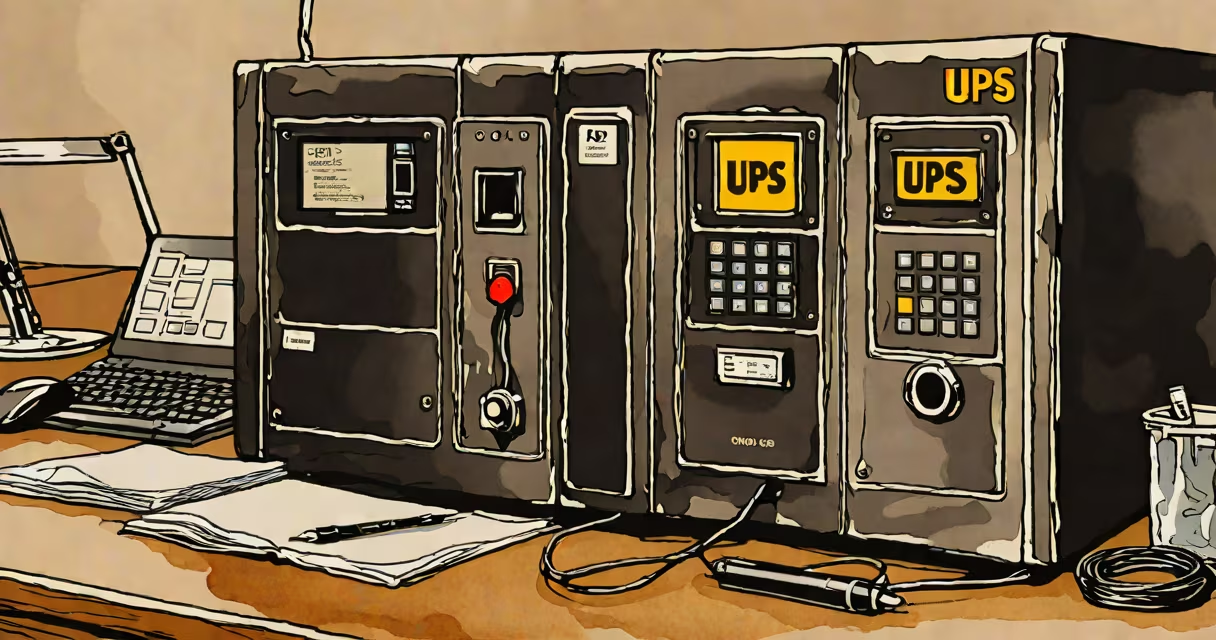
UPS stands for Uninterruptible Power Supply in electrical contexts. It's a device that provides emergency power to connected equipment when the primary power source fails or drops below acceptable levels.
When the main power goes out, a UPS instantly switches to battery power, preventing sudden shutdowns that could damage sensitive electronics. This ensures continuous operation during short outages and protects against voltage spikes, sags, and surges.
Unlike a standard surge protector, which only blocks excess voltage, a UPS maintains power flow through a battery system. It's commonly used in data centers, home offices, medical devices, and industrial control systems where even a brief interruption can cause data loss or equipment failure.
How a UPS Works in Practice
A UPS connects between the wall outlet and the equipment it protects. When power is normal, the UPS filters incoming electricity and charges its internal battery. If the power fails, the battery takes over within milliseconds-typically less than 10 ms-so the connected devices don't lose power.
For example, a server running a database in a small business relies on a UPS. If the local grid experiences a 15-second blackout, the UPS keeps the server online long enough to shut down safely. Without it, the system might crash, corrupt files, or require manual rebooting.
Some advanced UPS units also provide power conditioning, correcting voltage fluctuations and filtering electromagnetic interference. This improves reliability in environments with unstable grids, such as rural areas or older buildings.
Types of UPS Systems and Their Uses
There are three main types of UPS systems, each suited to different needs:
| Type | How It Works | Best For |
|---|---|---|
| Offline/Standby | Switches to battery only when power fails. Minimal processing. | Home computers, basic office equipment. |
| Line-Interactive | Regulates voltage using automatic voltage regulation (AVR); switches to battery during outages. | Small servers, network routers, medical devices. |
| Online/Double-Conversion | Constantly converts AC to DC and back, isolating the load from input power issues. | Data centers, critical infrastructure, high-end audio/video systems. |
Line-interactive UPS systems are common in mid-sized businesses because they handle voltage fluctuations without switching to battery, extending battery life. Online UPS systems offer the highest protection but consume more energy and cost more.
For instance, a hospital's patient monitoring system uses an online UPS. Even a 0.1-second power dip could trigger false alarms or disrupt data collection. The UPS ensures stable, clean power at all times.
Common Confusions and Misconceptions
Many people think a UPS is just a surge protector. That's incorrect. A surge protector guards against voltage spikes but doesn't maintain power during outages. A UPS includes surge protection but adds battery backup and power conditioning.
Another misconception is that all UPS units last hours during a blackout. Most consumer-grade models run for 5 to 15 minutes under full load. A 600VA UPS powering a desktop computer might last 10 minutes before shutting down. Always size your UPS based on runtime needs.
Also, UPS batteries degrade over time. Most last 3 to 5 years. After that, performance drops. Replacing the battery annually in high-use environments prevents unexpected failures.
Real-World Example: Protecting a Home Office Setup
Consider a freelance graphic designer working on a 24-inch monitor, a high-end laptop, and a color printer. All depend on steady power. A storm knocks out the grid for 45 minutes.
With a 1000VA line-interactive UPS, the system stays online. The designer saves work, shuts down applications properly, and avoids file corruption. The UPS also filters minor surges from nearby appliances like refrigerators cycling on.
The same setup without a UPS risks losing unsaved progress. In one documented case, a freelance photographer lost a week's worth of edited images due to a power spike during a thunderstorm-equipment was unplugged from a surge protector only. A UPS would have prevented the loss.
Why It Matters: Standards and Expert Guidance
The National Fire Protection Association (NFPA) requires UPS systems in certain electrical installations, especially where life safety systems are involved. According to NFPA 70E, Article 110.3(B), electrical equipment must be installed per manufacturer instructions-and most UPS vendors specify proper grounding and circuit protection.
IEEE Standard 1100 (also known as the "Emerald Book") outlines recommended practices for power quality in electronic systems. It states that critical loads should be powered through a UPS with automatic transfer switching and battery monitoring. This standard is widely referenced in data center design.
I've personally installed a 3kVA online UPS in a small server room. During a regional outage, the system maintained uptime for 42 minutes while we switched to generator power. The battery status alerts gave us early warning-no surprise shutdowns.
Final Clarification: What Does UPS Stand for Electrical?
UPS stands for Uninterruptible Power Supply in electrical engineering and IT infrastructure. It's not a shipping term-even though UPS is also a major courier company. The electrical meaning is unrelated to delivery services.
When selecting a UPS, match the VA rating to your equipment's wattage. A 1000VA unit supports about 600 watts of load. Overloading causes premature battery drain and potential failure.
Always verify compatibility. Some UPS models don't support certain power profiles or fail to communicate with software via USB or SNMP. Check specifications before purchase.
Understanding what does UPS stand for electrical clarifies its role in protecting systems from power-related failures. It's not optional in mission-critical environments-it's essential.