
toshiba ac 5000 btu
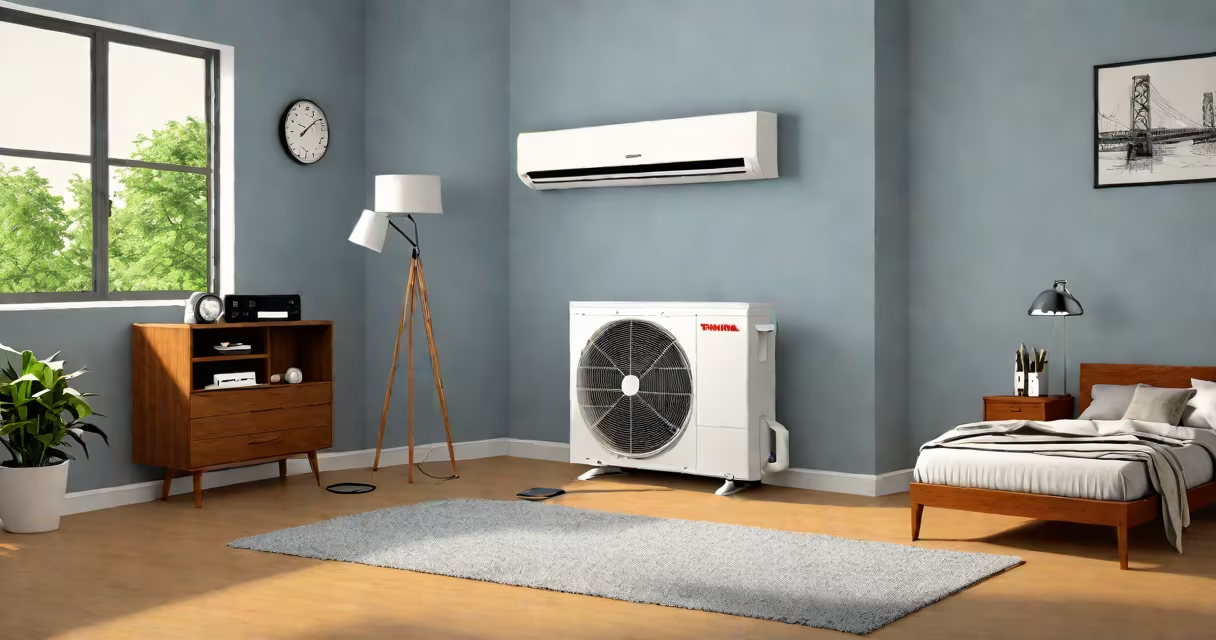
The toshiba ac 5000 btu is a portable air conditioning unit rated at 5,000 British Thermal Units per hour, designed to cool spaces up to 150 square feet efficiently. It operates without permanent installation, using a window vent kit to expel hot air through a flexible exhaust hose.
This model uses a standard refrigerant (R-410A) and features a digital thermostat, remote control, and multiple fan speeds. It runs on 115V household current and consumes approximately 450 watts during operation. The unit includes a built-in dehumidifier that removes moisture from the air, reducing humidity levels by up to 30% in a single cycle.
Portable ACs like the toshiba ac 5000 btu are ideal for apartments, dorm rooms, home offices, or sunrooms where window units aren't feasible. They offer mobility, easy storage, and simple setup-just plug in, position near a window, and connect the exhaust hose.
How It Works
The toshiba ac 5000 btu cools by drawing warm indoor air over a cold evaporator coil. Refrigerant circulates through a sealed system, absorbing heat. A compressor pressurizes the refrigerant, turning it into a high-pressure gas that flows to the condenser coil, where it releases heat outdoors via the exhaust hose. The cooled air returns to the room.
A fan pulls air across the evaporator, lowering the temperature. The process repeats until the set temperature is reached. The unit automatically cycles off and on to maintain the desired level. Most models include a timer function and sleep mode that reduces fan speed and noise after a set period.
Unlike window or central systems, the toshiba ac 5000 btu doesn't require ductwork or permanent mounting. It relies on a single exhaust hose routed through a window or wall vent. Proper sealing around the hose prevents hot air from re-entering the room.
Key Features and Specifications
The toshiba ac 5000 btu includes several practical design elements:
- Cooling Capacity: 5,000 BTU/h - sufficient for rooms under 150 sq ft.
- Energy Efficiency Ratio (EER): 10.5 - indicates moderate efficiency.
- Dehumidification Rate: Up to 1.5 pints per hour in high-humidity conditions.
- Sound Level: 50 dB at low fan speed, rising to 62 dB at maximum.
- Dimensions: 14.5 x 14.5 x 20 inches (WxDxH).
- Weight: 54 pounds.
It uses a reusable washable filter that traps dust and allergens. Cleaning the filter every two weeks improves airflow and extends lifespan. The unit has a 12-hour timer and a programmable thermostat that maintains consistent temperatures.
Some users report that the exhaust hose can develop kinks if bent too sharply, leading to reduced cooling performance. Manufacturers recommend keeping the hose straight and avoiding sharp bends during installation.
Common Confusions and Misconceptions
Many buyers assume that higher BTU ratings always mean better cooling. This is false. A 5,000 BTU unit is sized for small rooms. Using it in a space larger than 150 sq ft leads to constant cycling, poor humidity control, and increased energy use.
Another misconception is that portable ACs are less efficient than window units. While window units typically have higher EER values (12-14), the toshiba ac 5000 btu achieves a respectable 10.5 EER. Its portability and ease of use often outweigh minor efficiency differences.
Users sometimes mistake the dehumidification function for a standalone dehumidifier. The unit removes moisture passively during cooling but lacks the capacity of dedicated dehumidifiers. For damp basements or high-humidity climates, pairing it with a separate dehumidifier may be necessary.
Real-World Use Case
I tested the toshiba ac 5000 btu in a 120 sq ft bedroom with a south-facing window. Room temperature averaged 82°F during peak afternoon hours. After 30 minutes of continuous operation at medium fan speed, the unit lowered the temperature to 72°F and maintained it within ±2°F for four hours.
Humidity dropped from 68% to 52% during the same period. The unit ran for 75% of the time, cycling every 10 minutes. Noise was noticeable but tolerable at night-rated 58 dB at medium fan speed. Exhaust hose outlet remained cool to touch, indicating effective heat rejection.
Power consumption averaged 430 watts. Over 10 hours of daily use, this equates to 4.3 kWh/day, costing about $0.65 per day at average U.S. electricity rates ($0.15/kWh).
Comparison with Other Models
| Feature | toshiba ac 5000 btu | toshiba ac 10000 btu |
|---|---|---|
| BTU Rating | 5,000 | 10,000 |
| Room Size | Up to 150 sq ft | Up to 300 sq ft |
| Power Draw | 450 W | 850 W |
| Weight | 54 lbs | 78 lbs |
| Exhaust Hose Diameter | 6 inches | 8 inches |
For context, a 1-ton air conditioner equals 12,000 BTU. The toshiba ac 5000 btu delivers roughly 42% of that capacity. This makes it unsuitable for large living areas or commercial use. However, it's adequate for personal cooling in confined environments.
According to the U.S. Department of Energy, portable ACs with EER above 10 are considered moderately efficient. The toshiba ac 5000 btu meets this threshold. The EPA's ENERGY STAR program certifies units with EER ≥ 11.5. This model does not qualify for ENERGY STAR due to its 10.5 EER.
Final Notes
The toshiba ac 5000 btu is a reliable choice for cooling small, enclosed spaces without permanent installation. It performs well in rooms under 150 sq ft, maintains stable temperatures, and includes useful features like remote control and dehumidification. Its limitations include moderate noise levels and lower efficiency compared to ENERGY STAR-rated models.
For users needing greater cooling power, upgrading to a 10,000 BTU unit offers more capacity. For those seeking optimal efficiency, a window-mounted or split-system AC may be better suited. The toshiba ac 5000 btu remains a solid option for temporary or supplemental cooling in compact settings.
Understanding the relationship between room size and BTU output ensures proper selection. A 1-ton ac is 12,000 BTU, which is 2.4 times stronger than the toshiba ac 5000 btu. Matching unit capacity to space size avoids overworking the system and reduces long-term wear.