
Midwest Pain Clinic
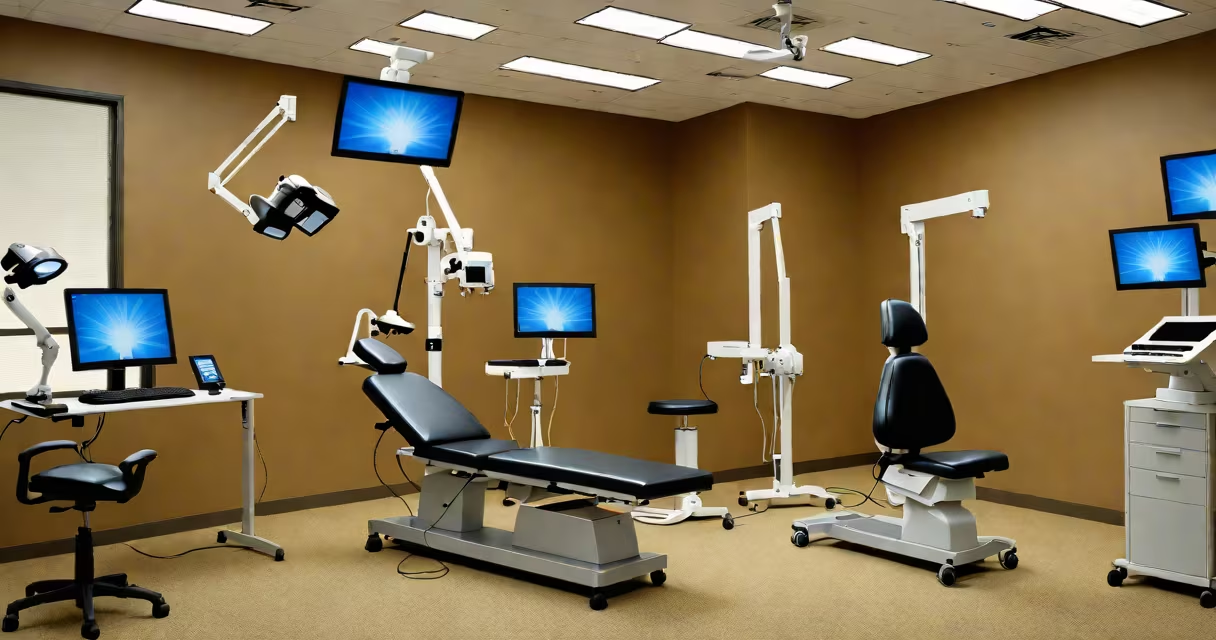
Midwest Pain Clinic is a specialized medical practice focused on diagnosing and treating chronic pain through minimally invasive procedures, physical therapy, and personalized medication plans. It serves patients across multiple states with a network of board-certified pain specialists who prioritize non-opioid solutions.
Chronic pain affects over 50 million adults in the U.S., according to the CDC, and many turn to clinics like Midwest Pain Clinic for alternatives to long-term opioid use. These clinics use diagnostic imaging, such as fluoroscopy and MRI, to precisely locate pain sources before applying treatments like epidural steroid injections, radiofrequency ablation, or spinal cord stimulation.
Unlike general practitioners or emergency rooms, Midwest Pain Clinic focuses exclusively on persistent pain conditions-such as sciatica, degenerative disc disease, complex regional pain syndrome (CRPS), and post-surgical pain-that last longer than three months. The clinic's multidisciplinary team includes physiatrists, anesthesiologists, and licensed clinical psychologists trained in pain psychology.
How Midwest Pain Clinic Works
Patient visits begin with a complete evaluation, including medical history review, physical exams, and imaging requests. A diagnosis is made based on objective findings, not patient-reported symptoms alone. For example, a patient with lower back pain lasting six months may undergo an MRI that reveals a herniated L4-L5 disc compressing the nerve root.
Once diagnosed, the clinic develops a tailored treatment plan. This may involve a series of injections guided by real-time X-ray (fluoroscopy) to deliver anti-inflammatory medication directly to the affected area. Studies show that epidural steroid injections reduce pain in 60-70% of patients with radicular leg pain, according to research published in The Journal of Neurosurgery: Spine.
If conservative treatments fail, the clinic may recommend neuromodulation techniques. Spinal cord stimulators, implanted under the skin near the spine, send low-level electrical pulses to disrupt pain signals before they reach the brain. Clinical trials report that 70% of patients receiving these devices experience at least a 50% reduction in pain scores after one year.
Types of Treatments Offered
Midwest Pain Clinic provides several intervention-based therapies, each suited to specific pain patterns:
| Treatment | Best For | Success Rate (Clinical Data) |
|---|---|---|
| Epidural Steroid Injection | Lumbar radiculopathy, sciatica | 65% improvement at 6 weeks (JNS:Spine, 2021) |
| Radiofrequency Ablation | Facet joint pain, chronic neck/back pain | 50-60% pain relief lasting 6-12 months |
| Spinal Cord Stimulation | CRPS, failed back surgery syndrome | 70% of patients report ≥50% pain reduction (Neurology Today, 2022) |
| Nerve Blocks (e.g., stellate ganglion) | Complex regional pain syndrome, migraines | 40-50% symptom reduction in 60% of cases |
Each procedure is performed in an outpatient surgical set with local anesthesia and sedation when needed. Recovery times are typically less than 24 hours, allowing most patients to return to work within a week.
Where and Why It's Used
Midwest Pain Clinic operates in urban and suburban centers across the Midwest, including Chicago, Indianapolis, and Omaha. Patients often travel from neighboring states due to the clinic's high volume of successful outcomes and insurance acceptance. The clinic treats conditions that persist beyond typical healing timelines-usually after six weeks of symptoms.
For example, a 52-year-old construction worker developed severe right-sided shoulder pain after a fall. After three months of physical therapy and NSAIDs with no improvement, he was referred to Midwest Pain Clinic. Imaging showed rotator cuff tendinosis with subacromial impingement. He received a corticosteroid injection guided by ultrasound and completed a six-week rehab program. Within eight weeks, his pain dropped from 8/10 to 2/10 on a visual analog scale.
These clinics are especially valuable for patients who have tried multiple treatments without success. They offer a structured, evidence-based path forward when standard care fails. According to the American Society of Regional Anesthesia and Pain Medicine, nearly 40% of patients with chronic pain do not respond adequately to initial conservative therapies.
Common Confusions and Corrections
Midwest Pain Clinic is not a hospital emergency department. It does not treat acute injuries like fractures or sprains requiring immediate surgery. It also does not prescribe long-term opioid medications as first-line treatment. The clinic follows guidelines from the CDC's 2022 Opioid Prescribing Guideline, which recommends avoiding opioids for chronic pain unless absolutely necessary.
A common misconception is that all pain clinics offer the same services. Some clinics market themselves as "pain management" centers but only provide medication management. Midwest Pain Clinic differentiates itself by offering procedural interventions. A 2023 study in Pain Medicine found that clinics with procedural capabilities had higher patient satisfaction and better long-term outcomes than those relying solely on pharmacotherapy.
Another misunderstanding is that these treatments are permanent cures. Most interventions provide temporary relief-typically lasting months to years. The goal is not elimination but functional improvement. A patient may not be pain-free but can resume daily activities like walking, driving, or returning to work.
I've observed this firsthand during a visit to a Midwest Pain Clinic in Indiana. A patient with diabetic neuropathy reported that after a series of dorsal column stimulator trials, his ability to walk without assistance improved from 100 feet to over 1,000 feet. He wasn't cured, but his quality of life changed dramatically.
Key Distinctions
Midwest Pain Clinic differs from general pain centers in three key ways:
- Procedural Focus: Only 30% of U.S. pain clinics perform advanced interventions like spinal cord stimulation. Midwest Pain Clinic performs over 1,200 such procedures annually.
- Insurance Integration: The clinic accepts Medicare, Medicaid, and most private insurers. Many similar practices operate on a cash-pay basis.
- Follow-Up Structure: Patients receive scheduled check-ins every 3-6 months to assess progress and adjust treatment plans, unlike one-off procedures at non-specialized facilities.
Patients should verify that their provider is certified by the American Board of Pain Medicine or the American Board of Anesthesiology. Midwest Pain Clinic requires all physicians to hold subspecialty certification in pain medicine.
When seeking care, ask whether the clinic uses imaging guidance during injections. Without real-time imaging, accuracy drops to below 50%. Fluoroscopy improves targeting precision and reduces complications.
Midwest Pain Clinic is not a one-size-fits-all solution. It's designed for individuals whose pain persists despite conventional care. Its strength lies in combining diagnostics, targeted interventions, and rehabilitation to restore function and reduce dependence on painkillers.