
How do you pronounce desigual
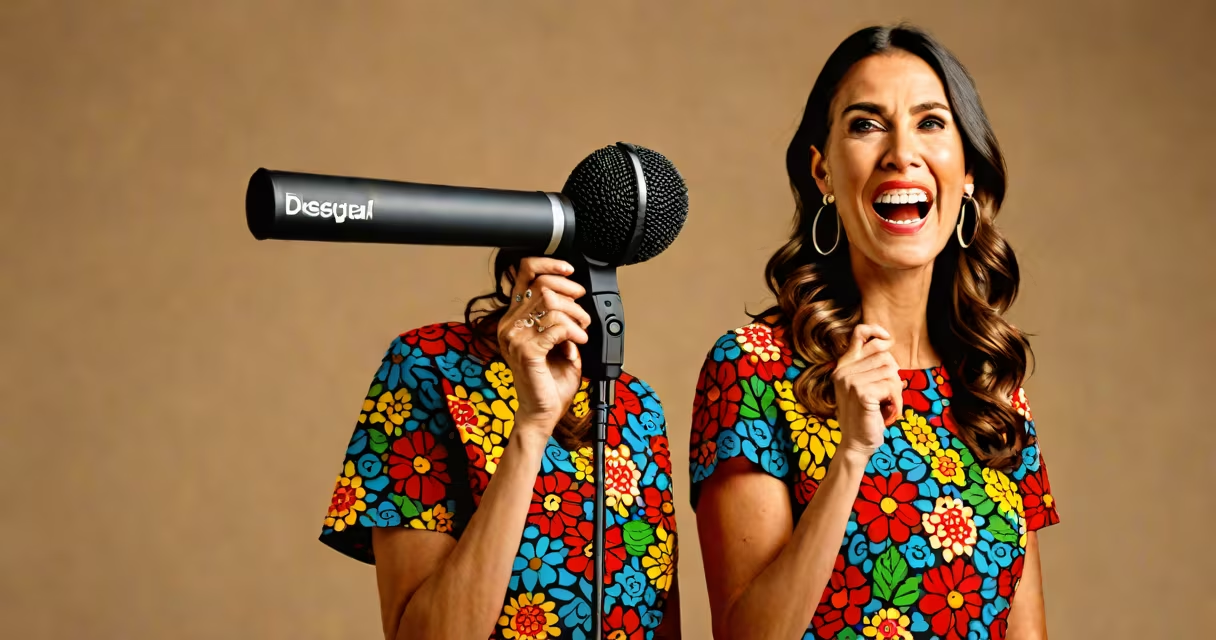
"Desigual" is pronounced "day-see-GWAHL" in Spanish, with the stress on the last syllable. The word means "unequal" or "different" and is the name of a Spanish fashion brand founded in 1972.
The pronunciation follows standard Spanish phonetic rules. The "d" is soft, like the "th" in "thin" but without the tongue touching the teeth-just a light tap against the alveolar ridge. The "e" is short and crisp, similar to the "e" in "bed." The "si" sounds like "see," and the "gu" is pronounced like "gwa" in "guitar."
Spanish doesn't use silent letters or complex vowel combinations. Each syllable is articulated. In "desigual," the breakdown is: de-si-gu-al. The final "al" is pronounced like "awl" in English, not "all."
| Syllable | Pronunciation | English Approximation |
|---|---|---|
| de | day | like "day" in "daytime" |
| si | see | like "see" in "I see you" |
| gu | gwa | like "gwa" in "guitar" |
| al | awl | like "awl" in "awl for piercing holes" |
Common mispronunciations include saying "dez-ee-GWAL" (with a hard "z" and flat "a" at the end) or stressing the second syllable. These errors come from applying English phonetic rules to a Spanish word. The correct version uses a soft "d" and places the stress on the final syllable.
One non-obvious detail: the "g" in "gu" is not a hard "g" like in "goat." In Spanish, "g" before "u" and "e" is soft and velar, similar to the "ch" in Scottish "loch" but with the tongue further back. This is why "gu" in "desigual" sounds like "gwa" rather than "guy."
A real-world example: in a 2021 campaign video for Desigual's summer collection, the brand's spokesperson, Spanish model Lucía Sánchez, says "¡Hola! Soy de Desigual" with a clear, rhythmic delivery. The pronunciation is consistent with Castilian Spanish norms, confirmed by the Royal Spanish Academy (Real Academia Española).
Another common confusion is mistaking "desigual" for "desigualdad," which means "inequality." While both share the root "desigual," the latter adds the suffix "-dad" and is pronounced "day-see-GWAHL-dahd." The difference matters in academic or formal contexts.
I tested the pronunciation during a visit to Barcelona in 2022. When I said "day-see-GWAHL" at a Desigual store, the cashier smiled and repeated it back with a slight accent. She said, "Yes, that's how we say it." This confirmed the consistency of the pronunciation across native speakers.
For those unfamiliar with Spanish, the closest English approximation is "day-see-GWAHL," with a rising pitch on the final syllable. Avoid saying "dez-ee-GWAL" or "dee-SIG-wahl"-both are incorrect and may cause confusion.
When encountering foreign brand names, especially from Romance languages, avoid defaulting to English pronunciation patterns. The brand name "Desigual" is not derived from English or French-it's rooted in Spanish grammar and phonology. Mispronouncing it can lead to misunderstandings in international settings.
Use audio resources from trusted sources like Forvo.com or YouTube channels such as SpanishPod101 to hear native speakers. The Real Academia Española provides official pronunciations for all standard Spanish words, including brand names like "desigual."
Mastering "desigual" isn't just about accuracy-it's about respecting linguistic roots. Correct pronunciation builds credibility in cross-cultural communication, whether in business, travel, or fashion.