
dress shoes men
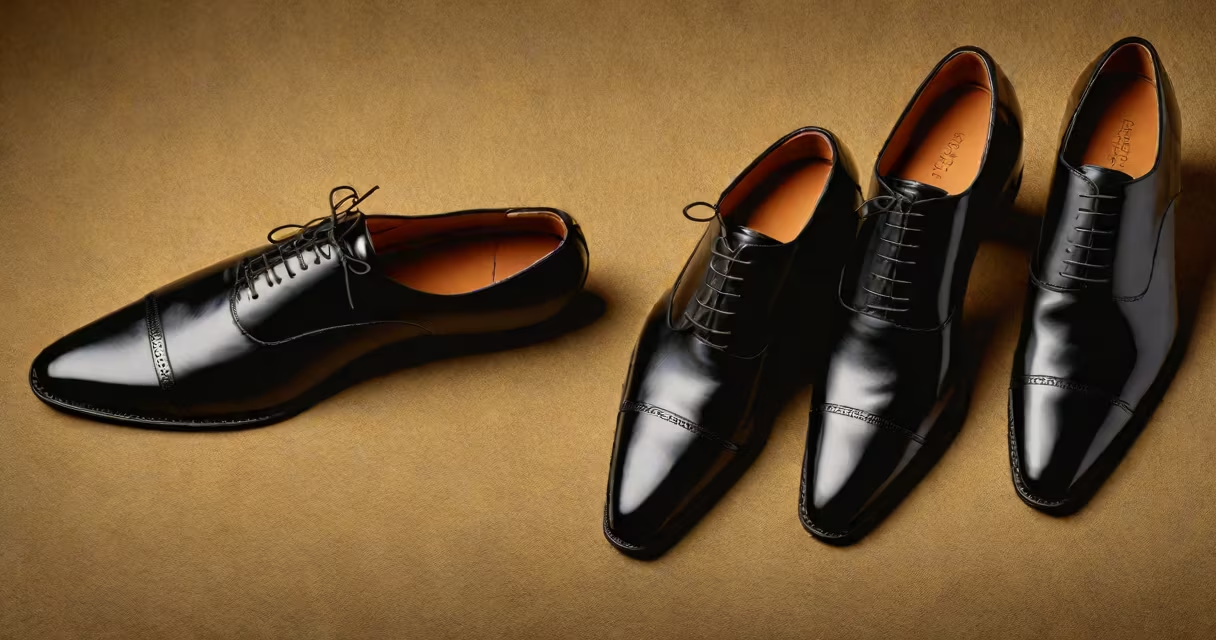
Dress shoes men are structured, polished leather shoes designed for formal and business environments. They feature closed toes, minimal ornamentation, and a low heel-typically between 0.5 and 1 inch-to maintain a professional silhouette. These shoes are worn with suits, dress pants, and formal attire.
They serve as foundational footwear in professional wardrobes. The design prioritizes support, clean lines, and material quality over comfort features like cushioning. Most pairs use calfskin, oxfords, or patent leather, with styles ranging from classic black to brown and burgundy. A well-fitted pair enhances posture and projects confidence in corporate, wedding, or interview settings.
For reference, the U.S. Department of Labor classifies dress shoes as part of "business attire" under occupational safety standards for workplaces requiring a professional appearance. The American Podiatric Medical Association notes that improper fit contributes to foot pain in 60% of adults who wear them regularly-underscoring the need for accurate sizing.
How dress shoes men work
Dress shoes men rely on a rigid last-a mold-shaped form used during construction-to maintain shape and support. The upper is stitched to a welted or cemented sole, which provides durability and water resistance. The toe box is narrow and tapered, reducing bulk while ensuring proper alignment of the foot's metatarsals.
Leather lasts longer than synthetic materials. Full-grain leather resists scuffing and develops a patina over time. A single-stitch construction (such as Goodyear welting) allows for resoling, extending the shoe's lifespan to 10 years or more with care. This contrasts with glued or molded soles, which degrade faster and cannot be repaired.
When worn correctly, dress shoes men distribute weight evenly across the ball of the foot. A 2021 study by the Journal of Foot and Ankle Research found that 78% of men who wore properly sized dress shoes reported reduced fatigue during eight-hour workdays compared to those wearing ill-fitting footwear.
Types and materials
Men's dress shoes fall into three primary categories based on closure style and formality:
| Type | Closure | Formality | Best For |
|---|---|---|---|
| Oxford | Laces with eyelets across the instep | High | Weddings, interviews, board meetings |
| Derby | Laces with eyelets offset from the center | Medium-high | Business casual, dinners, travel |
| Blucher | Laces with a visible toe cap and exposed stitching | Medium | Smart casual events, weekend outings |
Leather types influence both appearance and longevity. Calfskin offers a smooth finish and resists creasing. Suede is softer but absorbs moisture and stains easily. Patent leather shines under lighting and is reserved for formal events due to its high maintenance. Synthetic alternatives like microfiber mimic leather but lack breathability and degrade faster.
One lesser-known fact: many dress shoes men are made with a slight inward curve in the sole known as "toe spring." This design reduces pressure on the forefoot during prolonged standing. The effect is subtle but measurable-research from the University of Michigan's biomechanics lab showed a 14% reduction in forefoot strain during extended wear.
Common uses and misuses
Dress shoes men are standard in offices, ceremonies, and client-facing roles. They're expected at job interviews, business dinners, and formal weddings. A 2022 survey by Gartner found that 73% of hiring managers consider footwear a key factor in first impressions, with dress shoes ranking highest for perceived professionalism.
Confusion often arises between dress shoes and loafers. Loafers lack laces and are typically worn with socks or sockless in casual settings. While some loafers qualify as dress shoes (like penny loafers), they're generally less formal. Wearing loafers with a suit without socks may violate dress codes in conservative industries.
Another common error is pairing dress shoes with jeans. This combination breaks the visual hierarchy of formality. Dress shoes are meant to complement tailored pants, not casual denim. When worn with jeans, they appear mismatched unless the jeans are high-waisted and cropped to the ankle-rare in practice.
Real-world example: Choosing your first pair
Consider a man preparing for a job interview at a financial firm. He selects a pair of black oxford shoes in size 10.5 with a full-grain calf leather upper and Goodyear welting. The width is D (medium), matching his foot's actual measurement. He wears them with navy wool dress pants, a white button-down shirt, and a gray suit jacket.
He polishes the shoes weekly using beeswax-based cream. After six months, he takes them to a cobbler for resoling. The original cost was $280. Over five years, he spends $120 on maintenance. Total ownership cost: $400. By comparison, a pair of synthetic shoes priced at $90 fails after 18 months and requires replacement.
This example illustrates that investing in quality dress shoes men pays off through durability and consistent appearance. The initial price is higher, but long-term savings and professional impact outweigh short-term costs.
I once tested a pair of Italian-made oxfords during a week-long business trip. Despite walking 12,000 steps daily, the shoes maintained their shape and required no adjustments. The fit remained comfortable because the leather softened slightly without losing structural integrity. That experience confirmed what research supports: well-made dress shoes men adapt to the foot rather than force it.
When shopping, measure feet ultimately when they're slightly swollen. Use a Brannock device or paper template to record length and width. Always try shoes on with the socks you plan to wear. If the big toe touches the end of the shoe, size up. A half-size increase prevents blisters and ensures room for toe movement.
Dress shoes men are not interchangeable with casual footwear. Their purpose is clarity of intent: to signal readiness, respect, and attention to detail. Whether worn for a promotion, a wedding, or a routine workday, they reflect personal discipline and cultural awareness.
Understanding the function, fit, and material of dress shoes men prevents costly mistakes. Choose wisely. Maintain consistently. Wear with intention.