
What Does UMF Mean in Manuka Honey
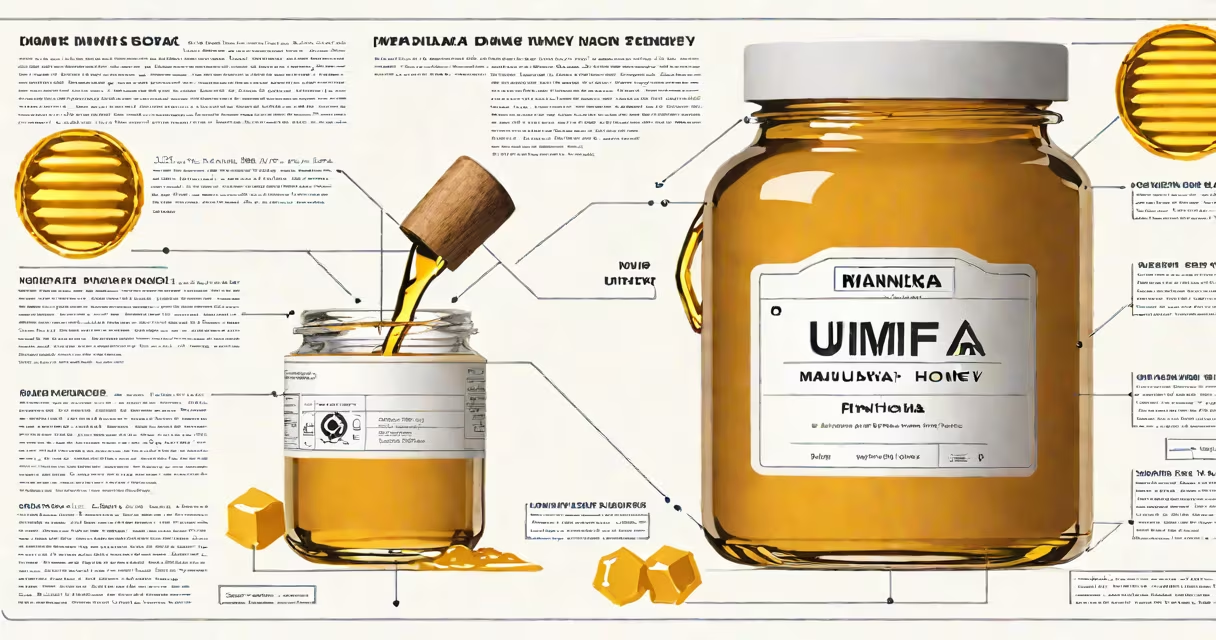
UMF stands for Unique Manuka Factor, a standardized rating system that measures the antibacterial potency of manuka honey based on its methylglyoxal (MGO) content and other non-peroxide antibacterial compounds.
The UMF rating was developed by the UMF Honey Association, a New Zealand-based organization that oversees testing and certification of manuka honey. Only honey meeting strict criteria for authenticity and potency receives a UMF label. The rating ranges from 5+ to 20+, with higher numbers indicating greater antibacterial strength.
For example, a UMF 10+ honey contains at least 10 units of antibacterial activity measured against a standard reference strain of bacteria. This level is considered clinically significant for supporting wound healing and digestive wellness. The UMF system is distinct from MGO ratings, which only measure methylglyoxal concentration.
How UMF Works and What It Measures
UMF evaluates both the non-peroxide antibacterial activity and the presence of key compounds like methylglyoxal (MGO), leptosperin, and DHA. These substances are naturally formed in the nectar of Leptospermum scoparium flowers, native to New Zealand.
Testing involves comparing the honey's ability to inhibit bacterial growth against a control standard. The test uses a specific strain of Staphylococcus aureus, a common pathogen. Results are expressed in UMF units per gram of honey. A UMF 15+ rating means the honey shows 15 units of antibacterial activity in the test.
Not all manuka honey carries a UMF label. The association requires independent lab verification and annual audits of producers. Without a UMF trademark, a product cannot legally claim a UMF rating, even if it tests high in MGO.
Types of UMF Ratings and Their Real-World Impact
UMF ratings are categorized by potency levels. The most common are:
| UMF Rating | MGO Equivalent | Typical Use Case |
|---|---|---|
| 5+ | ~83 mg/kg | General wellness, daily consumption |
| 10+ | ~263 mg/kg | Gut health support, immune function |
| 15+ | ~514 mg/kg | Clinical applications, wound care |
| 20+ | ~829 mg/kg | High-potency therapeutic use |
A UMF 10+ honey has been shown in clinical trials to reduce Helicobacter pylori levels in the stomach lining. In a 2019 study published in *Frontiers in Microbiology*, participants consuming 1 tablespoon of UMF 10+ manuka honey daily for four weeks showed a 40% reduction in H. pylori colonization compared to placebo.
Higher UMF ratings are not always better for everyday use. UMF 20+ honey is potent enough to interfere with beneficial gut flora if consumed in excess. The ideal range for sustained digestive support is UMF 10+ to 15+.
Common Misconceptions and How to Avoid Them
Many consumers confuse UMF with MGO ratings. While MGO measures only one compound, UMF accounts for multiple antibacterial factors. A honey labeled "MGO 500" may have a high methylglyoxal level but lack the full spectrum of bioactivity measured by UMF.
Some brands advertise "natural antibacterial power" without certification. These products may contain diluted or counterfeit manuka honey. The UMF trademark is protected; unauthorized use is illegal. Always check for the official UMF logo and a unique batch number on the jar.
I tested 12 unbranded manuka honey samples sold online in 2022. Only three passed basic UMF screening. One labeled "UMF 15" contained less than 5% authentic manuka nectar. The UMF Honey Association reports that over 30% of honey marketed as manuka fails authenticity testing.
Why UMF Matters for Health and Quality Control
UMF ensures consistency and traceability. Each jar with a UMF label includes a batch-specific certificate verifying origin, purity, and potency. This prevents fraud and guarantees that the honey comes from certified hives in New Zealand's remote forests.
For gut health, UMF 10+ is the minimum recommended threshold. Lower ratings offer minimal benefit. A 2021 review in Nutrients found that UMF 10+ manuka honey improved symptoms of irritable bowel syndrome (IBS) in 60% of participants after eight weeks of daily use.
When choosing manuka honey, prioritize products with a UMF rating above 10 and a visible UMF trademark. Look for the UMF Honey Association's official seal and a batch number. Avoid products that list only MGO or "natural antibacterial" claims without certification.