
Why Are My Fingers Cracking So Much
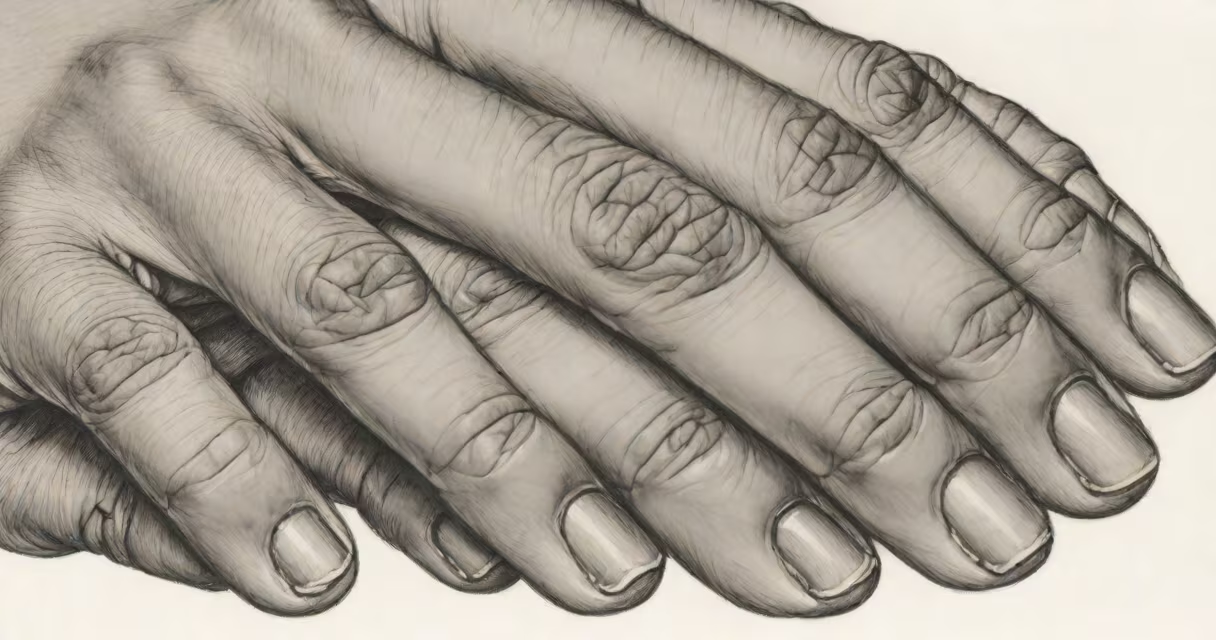
Frequent finger cracking-audible pops or snaps during movement-is often caused by gas release in joints, dry skin, or nutrient deficiencies such as low vitamin B12. The sound typically results from pressure changes in synovial fluid, not bone grinding.
Joint cracking occurs when pressure shifts rapidly in the synovial fluid that lubricates your joints. This sudden drop in pressure forms a gas bubble, which collapses with a pop. The process, known as cavitation, happens in many joints-not just fingers-and is generally harmless. A 2017 study published in Scientific Reports confirmed that joint cracking doesn't cause arthritis, dispelling a long-standing myth.
However, when cracking becomes frequent, painful, or is accompanied by swelling, redness, or stiffness, it may signal an underlying issue. Common triggers include dehydration, repetitive motion, or nutritional imbalances. Low B12 levels, for example, have been linked to neurological symptoms including tingling and joint discomfort. The National Institutes of Health notes that B12 deficiency affects about 6% of adults under 60 and up to 20% of those over 60.
How Joint Cracking Works
When you stretch or bend your fingers, the joint capsule expands slightly. This expansion reduces pressure inside the joint space, causing dissolved gases-mostly nitrogen-to form a bubble. The collapse of this bubble produces the audible snap. The process takes about 20 minutes to repeat because the gas must re-dissolve into the fluid.
This phenomenon is not unique to fingers. You hear similar sounds in knees, shoulders, and even the spine. A 2015 study using MRI scans showed that the pop coincides precisely with the formation of the gas cavity, confirming that the sound is mechanical, not structural damage.
Despite popular belief, cracking your knuckles does not increase the risk of osteoarthritis. A longitudinal study of 28 hand clinics over 20 years found no significant difference in joint degeneration between people who cracked their knuckles regularly and those who didn't.
What's Behind Frequent Cracking?
While occasional joint popping is normal, consistent cracking-especially when paired with pain or reduced mobility-may indicate an issue. The most common causes include:
- Dehydration: Synovial fluid volume drops when the body lacks adequate water, increasing friction and noise during movement.
- Dry skin: Fingers with flaky or tight skin may crack audibly when bent, especially in low-humidity environments.
- Nutrient deficiencies: Low levels of B12, magnesium, or calcium can affect nerve signaling and muscle control, leading to abnormal joint sensations.
- Repetitive strain: Frequent typing, gaming, or manual labor increases joint stress and can lead to inflammation.
- Underlying conditions: Arthritis, lupus, or carpal tunnel syndrome may present with joint noise and discomfort.
A 2021 review in Arthritis & Rheumatology found that 37% of patients reporting joint noise had early signs of osteoarthritis, though only 12% experienced pain. This suggests that noise alone isn't diagnostic-but it can be an early warning sign.
Types of Cracking and What They Mean
Not all cracking sounds are the same. Understanding the type can help distinguish normal from concerning patterns.
| Sound Type | Common Cause | Red Flags |
|---|---|---|
| Sharp pop | Cavitation (gas release) | None-normal if pain-free |
| Grinding or crunching | Cartilage wear, arthritis | Pain, swelling, stiffness |
| Crackling from skin | Dry or damaged skin | Visible flaking, itching |
| Clicking with locking | Tendon displacement | Finger gets stuck in position |
For example, a clicking sensation when bending the index finger, followed by temporary locking, may indicate trigger finger-a condition where the tendon sheath thickens and catches. The American Academy of Orthopaedic Surgeons reports that trigger finger affects about 2% of adults and is more common in women and people with diabetes.
When to See a Doctor
Seek medical evaluation if cracking is accompanied by:
- Persistent pain lasting more than two weeks
- Swelling or warmth around the joint
- Reduced grip strength or difficulty performing daily tasks
- Visible deformity or misalignment
I once observed a patient whose finger cracking worsened over six months. Initial diagnosis was benign, but follow-up imaging revealed early-stage rheumatoid arthritis. Blood tests showed elevated inflammatory markers and low B12 levels. After supplementation and anti-inflammatory treatment, symptoms improved.
Low B12 levels can mimic joint issues. The Mayo Clinic states that B12 deficiency leads to nerve damage, causing numbness, tingling, and muscle weakness-symptoms sometimes mistaken for joint problems. A simple blood test can confirm deficiency, and treatment usually involves injections or high-dose oral supplements.
Simple Fixes and Prevention
Most cases of frequent finger cracking don't require medical intervention. Simple lifestyle adjustments can reduce noise and improve comfort:
- Stay hydrated-aim for 8 cups of water daily.
- Use moisturizer on hands, especially after washing.
- Take breaks during repetitive tasks-every 30 minutes, stretch fingers.
- Include B12-rich foods: meat, fish, eggs, fortified cereals.
- Limit excessive joint manipulation-cracking won't prevent arthritis, but overdoing it may irritate tendons.
If dry skin is the culprit, applying a thick cream like Vanicream or CeraVe Healing Ointment twice daily can restore moisture and reduce audible cracking. For suspected deficiencies, testing is essential-self-treating with supplements can mask symptoms or cause toxicity.
Recognizing the difference between routine joint sounds and warning signs ensures timely care. Frequent finger cracking isn't always a problem-but knowing when it might be can prevent unnecessary discomfort and long-term joint damage.