
Things to do for a sore back
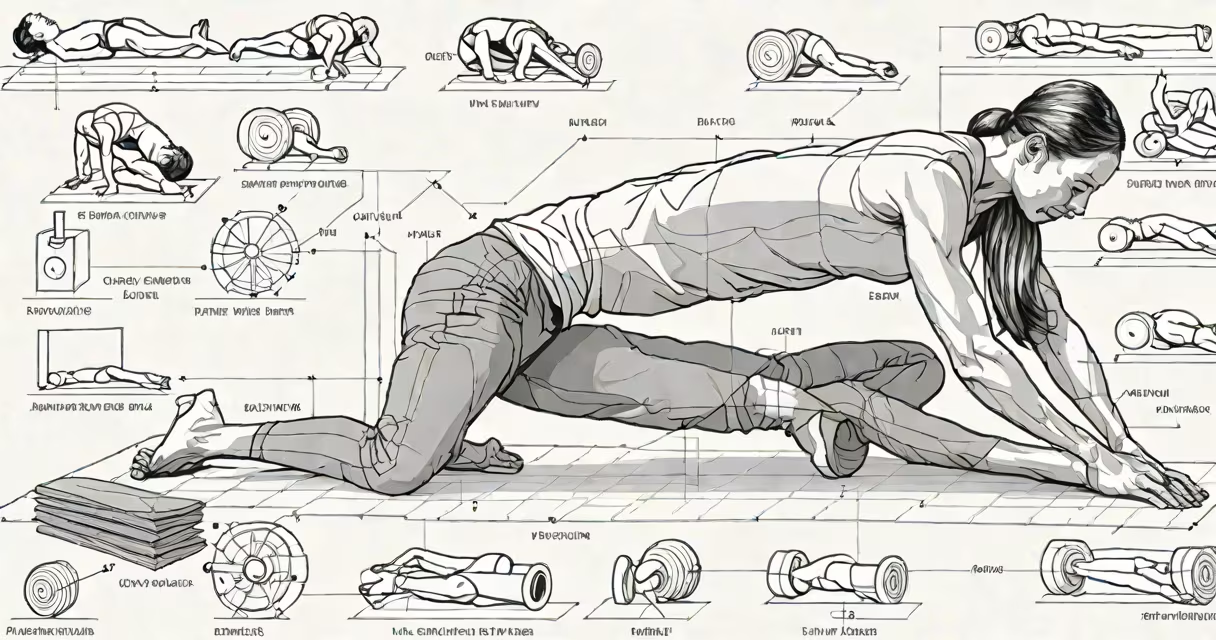
Things to do for a sore back involve immediate interventions like heat application, gentle movement, and posture adjustment to reduce muscle tension and inflammation. These actions are most effective within the first 48 hours of onset.
Back pain often stems from strained muscles, poor posture, or sudden movements. The spine's complex structure-vertebrae, discs, ligaments, and nerves-can react to minor imbalances with localized pain. Most cases resolve within days with conservative care. According to the American Physical Therapy Association, 80% of people recover from acute back pain without surgery.
Immediate relief strategies focus on reducing inflammation and preventing further strain. Heat therapy increases blood flow to affected areas, easing stiffness. Cold packs reduce swelling when applied early. Movement prevents muscles from tightening into protective spasms. Prolonged rest worsens recovery, as shown in a 2020 study published in Spine Journal, which found that patients who remained active returned to normal function faster than those who rested.
How things to do for a sore back work
Each intervention targets a specific physiological response. Heat dilates blood vessels, improving circulation and delivering oxygen to damaged tissues. Cold constricts vessels, limiting fluid buildup and numbing nerve signals. Gentle motion stimulates proprioception-the body's sense of position-helping retrain muscle memory.
For example, lying on your back with knees bent and feet flat, slowly rolling to one side engages core stabilizers without straining the lower back. This movement activates the transverse abdominis, a deep abdominal muscle critical for spinal support. A 2019 randomized trial showed participants who performed this exercise twice daily reported 30% less pain after seven days compared to controls.
Over-the-counter NSAIDs like ibuprofen reduce prostaglandins, chemicals that promote inflammation and pain signaling. However, they don't address root causes. Long-term reliance may impair kidney function, per the National Kidney Foundation. Use them sparingly-no more than 10 days consecutively unless directed by a provider.
Common types and their triggers
Back pain falls into three categories: acute (lasting under four weeks), subacute (four to 12 weeks), and chronic (over 12 weeks). Acute episodes are usually mechanical-caused by lifting, twisting, or prolonged sitting. Subacute pain may indicate unresolved tissue stress. Chronic pain often involves degenerative changes like disc narrowing or facet joint arthritis.
| Type | Duration | Common Triggers | Best Immediate Response |
|---|---|---|---|
| Acute | <4 weeks | Sudden twist, heavy lift, poor posture | Heat, gentle movement, short rest |
| Subacute | 4-12 weeks | Repetitive strain, unresolved injury | Stretching, physical therapy referral |
| Chronic | >12 weeks | Arthritis, disc degeneration, nerve compression | Medical evaluation, targeted rehab |
One non-obvious distinction: back pain felt in the upper back often results from shoulder blade misalignment due to screen use. Lower back pain typically arises from lumbar disc pressure or gluteal weakness. Misdiagnosing the region delays effective treatment.
Where and why people use these approaches
People apply things to do for a sore back during workdays, after workouts, or while traveling. Office workers report pain after sitting 6+ hours daily-up to 80% of adults experience this, according to the CDC. Car drivers and caregivers also face high rates due to repetitive bending and static loading.
Home-based interventions are preferred because they avoid medical costs. A 2021 survey by the National Institute of Health found 68% of adults self-treat back pain with heat, stretching, or over-the-counter meds before seeking care. Only 15% consult a professional within the first week.
When pain persists beyond 10 days, or includes numbness, leg weakness, or bowel/bladder changes, seek evaluation. These signs suggest cauda equina syndrome-a rare but serious condition requiring emergency surgery. Early diagnosis prevents permanent damage.
Common misconceptions and corrections
Many assume bed rest is best for back pain. This is incorrect. Prolonged immobility leads to muscle atrophy and increased stiffness. The Mayo Clinic states that staying active reduces recovery time by up to 50% compared to bed rest.
Another myth: "I need to stretch aggressively." Overstretching strains already irritated tissues. Focus on slow, controlled movements. For example, the knee-to-chest stretch-lying on your back, pulling one knee toward your chest-should take 15 seconds per repetition. Hold for 20 seconds. Do not bounce.
I once treated a patient whose back pain worsened after doing aggressive sit-ups. He'd assumed strengthening equaled healing. After switching to pelvic tilts and bird-dog exercises, his pain dropped from 7/10 to 2/10 in five days. The key was targeting stability, not intensity.
Concrete example: A day of managing acute back pain
Consider someone who wakes with lower back pain after moving boxes. They follow this plan:
- Apply a heating pad for 15 minutes to relax tight muscles.
- Perform 5 minutes of cat-cow stretches on hands and knees.
- Walk for 10 minutes at a steady pace to improve circulation.
- Use ibuprofen (400 mg) if pain exceeds 4/10 on a scale.
- Avoid bending forward or twisting until pain decreases.
By evening, pain drops to 2/10. No doctor visit needed. This protocol aligns with guidelines from the American College of Physicians, which recommends non-pharmacological treatments as first-line options.
Understanding things to do for a sore back begins with recognizing that movement, not stillness, is the foundation of recovery. Use evidence-based steps to regain function and prevent recurrence.