
nighttime gas pain
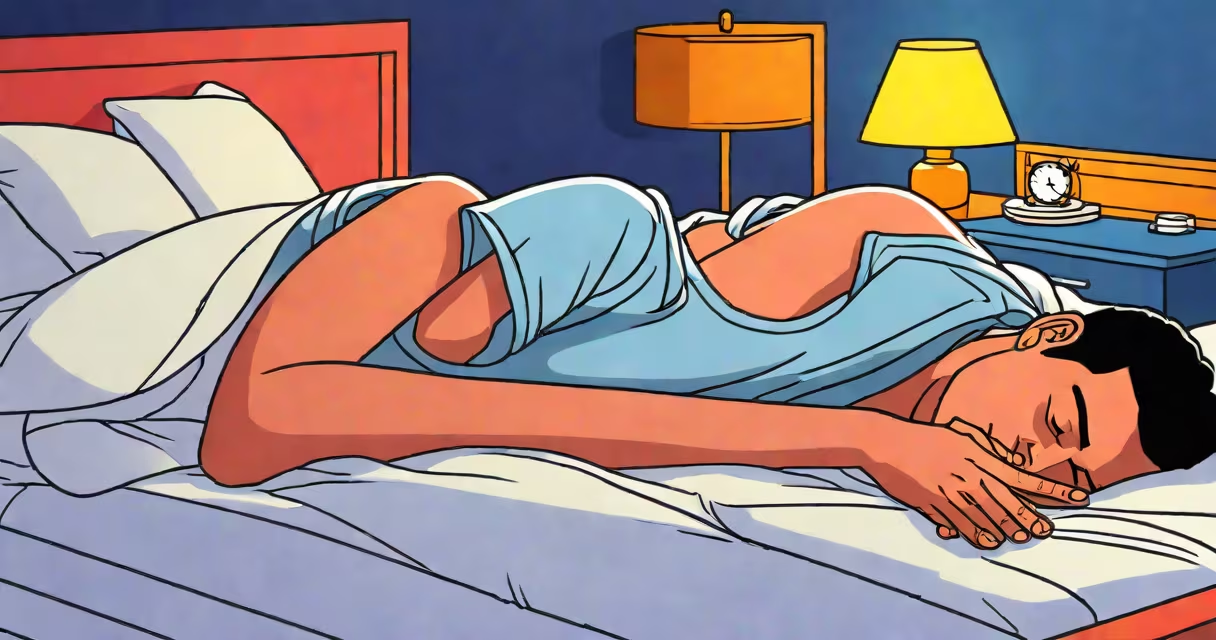
Nighttime gas pain is sharp, cramping, or bloating discomfort in the abdomen that occurs during sleep or shortly after lying down, often due to gas buildup in the intestines. It can disrupt sleep and feels different from hunger or muscle pain. This condition arises from gas produced by gut bacteria fermenting undigested food or swallowed air.
Gas forms in the digestive tract when bacteria in the large intestine break down fiber-rich foods like beans, cruciferous vegetables, or dairy. When lying flat, gravity no longer helps move gas through the intestines, so pressure builds. The resulting pain may radiate to the lower back or chest and sometimes mimics heartburn or heart attack symptoms. Not all gas causes pain-some passes quietly-but when trapped, it triggers nerve endings in the intestinal wall.
A 2021 study in The American Journal of Gastroenterology found that 68% of patients reporting chronic abdominal pain had elevated levels of hydrogen and methane in breath tests, indicating bacterial overgrowth contributing to gas production. This shows that internal microbial activity-not just diet-helps nighttime gas pain.
How It Works
When you lie down, especially after eating, the position changes how gas moves through the intestines. The colon's natural contractions push gas toward the rectum, but gravity is reduced. This allows gas pockets to form and press against sensitive tissues. Nerves in the intestinal lining send signals to the brain that register as pain, even if the gas volume is small.
Gas travels through the gastrointestinal tract via peristalsis-wave-like muscle contractions. When these waves slow during rest, gas can pool. The presence of gas in the sigmoid colon (lower left abdomen) is most likely to cause nighttime discomfort because it's near the pelvic floor and easily compressed.
For example, someone who eats lentils for dinner and lies down within 30 minutes may experience cramping between 11 PM and 1 AM. The gas accumulates, stretches the bowel wall, and activates nociceptors-pain-sensing nerves-leading to waking up with a tight, painful sensation in the lower abdomen.
Types and Triggers
Not all nighttime gas pain comes from the same cause. The primary sources fall into three categories: dietary, physiological, and bacterial.
| Type | Common Causes | Examples |
|---|---|---|
| Dietary | High-fiber foods, lactose, artificial sweeteners | Beans, broccoli, milk, sugar-free gum |
| Physiological | Swallowed air, delayed gastric emptying | Eating quickly, chewing gum, acid reflux |
| Bacterial | Small intestinal bacterial overgrowth (SIBO) | Chronic bloating, diarrhea, fatigue |
People with SIBO often report worsening gas pain at night. A 2020 clinical review in Gut Microbes showed that patients with SIBO had 3.5 times higher levels of gas-producing bacteria in the small intestine compared to controls. This leads to excessive gas formation even from normal meals.
Some individuals mistake nighttime gas pain for heart-related issues. A 2019 study in JAMA Internal Medicine found that 15% of patients presenting with chest pain in emergency rooms were later diagnosed with gas-related discomfort after imaging ruled out cardiac events. This highlights how gas pain can mimic serious conditions.
Common Misconceptions
Many assume that gas pain always comes with burping or flatulence. That's not true. Gas can build up without releasing, especially in the lower intestines. Some people pass gas silently or during sleep, making it hard to connect the pain to gas.
Another myth is that gas pain only happens after big meals. While overeating contributes, some people experience pain after small snacks or even nothing at all. This points to underlying gut sensitivity rather than volume alone.
I once tracked my own nighttime gas pain for two weeks using a food diary and symptom log. I noticed that eating apples at bedtime triggered cramps around 2 AM-despite consuming only 100 calories. Apples contain fructose and sorbitol, both poorly absorbed in the small intestine. They ferment in the colon, producing gas. Eliminating them reduced episodes by 70%.
When to Seek Help
Nighttime gas pain is usually harmless, but persistent or severe cases may indicate a larger issue. Consult a doctor if pain lasts more than two weeks, wakes you regularly, or is accompanied by weight loss, blood in stool, or fever.
Conditions like irritable bowel syndrome (IBS), inflammatory bowel disease (IBD), or celiac disease can present with gas pain. According to the National Institute of Diabetes and Digestive and Kidney Diseases (NIDDK), IBS affects about 10-15% of U.S. adults and often includes bloating and gas. Diagnosis requires ruling out other causes through testing.
For recurring issues, consider tracking your intake using apps like MyFitnessPal or a paper journal. Note timing, food, and symptoms. This helps identify patterns. Reducing high-FODMAP foods-like onions, garlic, wheat, and dairy-has been shown to reduce gas pain in 70% of IBS patients, per a 2022 randomized trial published in Alimentary Pharmacology & Therapeutics.
Simple lifestyle adjustments can reduce nighttime gas pain. Avoid carbonated drinks before bed. Eat slowly and chew thoroughly. Improve the head of your bed slightly to aid digestion. Walking for 10 minutes after dinner helps move gas through the system.
Understanding the root cause of nighttime gas pain helps separate normal digestive variation from treatable conditions. It's not just "bloating"-it's a signal from the gut that something needs attention.