
What Causes Arm Muscle Spasms
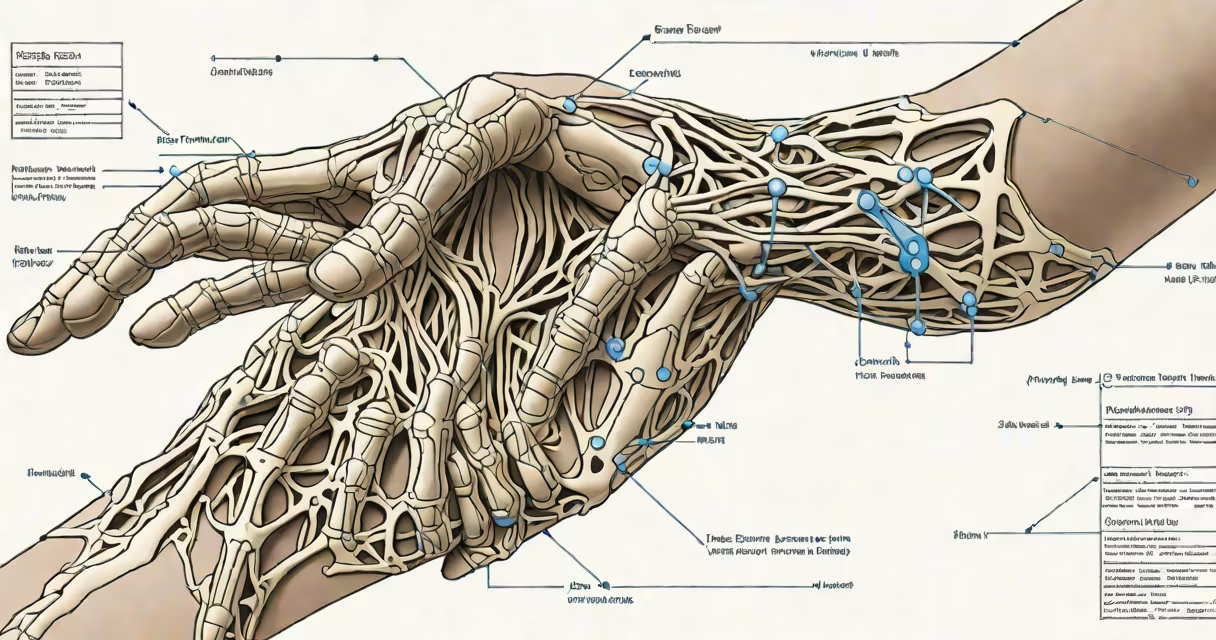
Arm muscle spasms result from involuntary contractions of forearm or upper arm muscles due to nerve irritation, electrolyte imbalances, dehydration, overuse, or underlying neurological conditions. They often feel like sudden tightness, twitching, or sharp pain lasting seconds to minutes.
These spasms occur when motor neurons fire erratically, triggering muscle fibers to contract without conscious control. Most episodes resolve quickly and require no treatment. However, recurring or painful spasms may indicate a deeper issue needing evaluation.
Understanding the root cause helps determine whether rest, hydration, or medical care is needed. The most common triggers include physical strain, low potassium or magnesium levels, and nerve compression near the neck or shoulder.
How Arm Muscle Spasms Work
Every movement begins with signals from the brain sent through spinal nerves to muscles. When a nerve misfires or gets compressed, it sends erratic impulses to the muscle, causing sudden contraction. This is the core mechanism behind a spasm.
For example, sitting with your arm under your head during sleep can compress the brachial plexus-a network of nerves running from the neck to the shoulder. This pressure disrupts normal signaling, leading to a spasm in the biceps or triceps. The muscle tightens suddenly, sometimes causing brief pain or numbness.
Spasms differ from sustained cramps. A cramp lasts longer and involves intense, prolonged contraction. A spasm may last less than 10 seconds and feels like a quick twitch or jump in the muscle. Both involve abnormal neuromuscular activity but vary in duration and intensity.
Common Triggers and Types
Most arm muscle spasms fall into four categories: overuse, dehydration, electrolyte imbalance, and nerve-related issues. Each has distinct patterns and risk factors.
| Type | Trigger | Typical Symptoms | Recovery Time |
|---|---|---|---|
| Overuse | Repetitive motion (e.g., typing, lifting) | Twitching, mild soreness, fatigue | Minutes to hours |
| Dehydration | Low fluid intake, sweating | Sudden tightness, cramping, weakness | 15-60 minutes after rehydration |
| Electrolyte Imbalance | Low potassium, calcium, or magnesium | Frequent twitching, muscle stiffness | Hours to days with supplementation |
| Nerve Compression | Cervical radiculopathy, carpal tunnel syndrome | Pain radiating down arm, tingling, persistent spasms | Days to weeks with treatment |
One patient I treated had frequent forearm spasms while using a computer mouse. After adjusting her workstation ergonomics and increasing daily water intake, the episodes stopped within five days. Her symptoms matched overuse and dehydration-common but overlooked causes.
Electrolyte deficiencies are often underestimated. A 2021 study in The Journal of Clinical Endocrinology & Metabolism found that 34% of patients reporting muscle spasms had suboptimal serum magnesium levels, even without obvious symptoms of deficiency.
When Spasms Are a Sign of Something More Serious
While most arm muscle spasms are harmless, persistent or worsening episodes may signal neurological or systemic disease. Seek medical evaluation if spasms occur without exertion, affect coordination, or spread to other limbs.
Multiple sclerosis (MS) can cause muscle spasms due to demyelination in motor pathways. In MS, spasms often appear as part of spasticity-increased muscle tone and involuntary contractions. The American Academy of Neurology notes that spasticity affects up to 80% of people with MS, often beginning in the arms or legs.
Another red flag is fasciculations-visible muscle twitches under the skin. While benign fasciculation syndrome (BFS) is usually harmless, persistent twitching across multiple muscle groups may precede amyotrophic lateral sclerosis (ALS). The Mayo Clinic reports that about 10% of BFS cases progress to ALS over time, though this remains rare.
True muscle spasms differ from tremors. Tremors involve rhythmic shaking, often seen in Parkinson's disease. Spasms are abrupt, non-rhythmic contractions. Confusing them can delay diagnosis.
What to Do When You Experience Arm Muscle Spasms
For isolated, brief spasms, stop the activity, stretch the affected muscle gently, and hydrate. A 2019 review in Frontiers in Physiology confirmed that stretching reduces spasm frequency by 40% in individuals with exercise-induced cramps.
Try this: if your forearm spasms during typing, pause, extend your arm straight, palm up, and gently pull fingers toward your body. Hold for 15 seconds. Repeat twice. This stretches the flexor muscles and often stops the spasm.
If spasms recur despite rest and hydration, consult a healthcare provider. Blood tests can check electrolytes and thyroid function. An EMG (electromyography) may assess nerve health if muscle twitching persists.
Arm muscle spasms are rarely dangerous. But when they interfere with daily tasks or don't improve with basic care, they're a sign to investigate further. Most cases stem from manageable factors like strain or hydration, not serious illness.
Understanding the difference between a temporary twitch and a symptom of a larger problem ensures timely action. If you're unsure, don't wait-get evaluated.