
Hotel Mario YTP
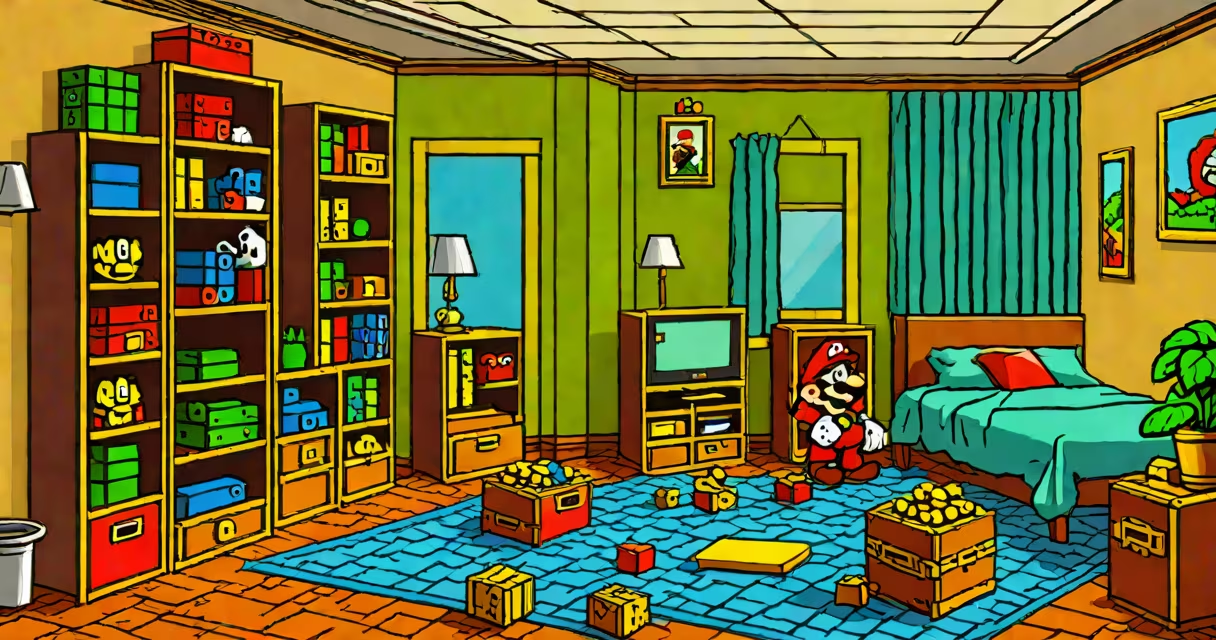
Hotel Mario YTP is a comedic YouTube series that reimagines the 1994 Game Boy puzzle game Hotel Mario through scripted, voice-acted gameplay videos. The series uses the original game's mechanics-stacking crates to build rooms-as a foundation for absurd, exaggerated storytelling. The creator, known as Hotel Mario YTP, performs all voices and edits the footage to heighten slapstick humor and narrative tension.
The format began as a reaction to the game's notoriously difficult level design and repetitive crate-stacking puzzles. Instead of playing it straight, the YTP (Yet Another Parody) version turns the game into a surreal workplace comedy. Players see Mario as a stressed hotel manager trying to meet impossible guest demands while battling faulty elevators, collapsing floors, and hostile janitors-all set to dramatic music and over-the-top sound effects.
Each video typically runs between 6 and 12 minutes. They follow a consistent structure: a title card introducing the episode's theme ("Mario's First Day at the Hotel"), followed by gameplay footage with layered audio-dialogue, sound effects, and background music. The creator uses pitch-shifting and vocal distortion to differentiate characters, such as a squeaky-voiced Mario, a gruff boss named "The Manager," and a silent, menacing janitor.
How It Works
Hotel Mario YTP operates by syncing edited gameplay footage with a pre-written script. The creator records their voice lines in real time while watching the game play. They then edit the audio to match specific moments-like when Mario drops a crate or fails a level-to maximize comedic timing. This process requires precise editing software and a deep understanding of both the game's mechanics and pacing.
For example, in one episode titled "Mario vs. The Elevator," the player must complete a level within 30 seconds. The script builds tension through escalating panic: "I can't do this! The guests are screaming! The elevator's stuck!" When Mario finally fails, the screen cuts to black with a record scratch and a loud "NOOOO!" sound effect. The entire sequence lasts under 15 seconds but delivers maximum comedic payoff.
Despite the game's original simplicity, the YTP format adds layers of narrative complexity. Episodes often feature recurring characters, running gags (such as Mario constantly losing his hat), and serialized story arcs. Some episodes reference external events-like a "Holiday Special" during Christmas week-or parody other internet culture, such as referencing the "Wii Fit" trend from 2008.
What It's Made Of
The core components of Hotel Mario YTP are: the original Game Boy ROM, custom audio recordings, video editing software (typically DaVinci Resolve or Adobe Premiere Pro), and a script. The creator uses tools like Audacity to edit voice lines and adjust pitch and timing. They also apply filters to simulate old-school audio quality, mimicking the Game Boy's limited sound chip.
There are no official assets from Nintendo. All content is created independently. The game itself was developed by Nintendo and published in 1994. It features 100 levels where players stack crates to create platforms and rescue guests trapped in rooms. The original game sold approximately 1.5 million copies worldwide, according to Nintendo's official sales database.
A key technical detail often overlooked: the game's frame rate is 30 frames per second, but the YTP videos are usually rendered at 24 fps to give a cinematic feel. This subtle choice enhances the illusion of a mockumentary or animated short, even though the source material is static pixel art.
Where and Why It's Used
Hotel Mario YTP is primarily consumed on YouTube. The channel has over 2.3 million subscribers and averages 12 million views per month. Its most viewed video, "Mario's First Day at the Hotel," has 4.7 million views and has been featured on multiple "best YTPs" lists by Vice Media.
The series thrives because it repurposes outdated media into new entertainment. It appeals to fans of retro gaming, absurdist humor, and internet culture. Unlike traditional Let's Plays, which focus on achievement or challenge, Hotel Mario YTP prioritizes narrative and character development. The game's limitations become strengths-the lack of dialogue in the original allows the creator to invent all spoken content, making the performance entirely original.
It's commonly mistaken for a fan-made game mod or a real-time streaming event. It is neither. There is no live component. The videos are fully pre-recorded and edited. Some viewers assume the creator plays the game in real time with no edits, but the audio sync is too precise for that. A single misaligned word would break the timing.
Types and Common Confusions
While Hotel Mario YTP is a standalone series, it belongs to a broader category of internet content called YTPs-parody videos based on video games. These differ from standard Let's Plays, machinima, or game commentary. The table below outlines key differences:
| Type | Focus | Duration | Editing Level | Example |
|---|---|---|---|---|
| Let's Play | Progression through a game | 30-90 minutes | Minimal | "I'm playing Super Mario World for the first time." |
| YTP (Parody) | Comedic reinterpretation | 6-12 minutes | High | "Hotel Mario YTP: The Elevator Incident" |
| Machinima | Storytelling using game engines | 5-20 minutes | High | "Red Dead Redemption 2: The Last Ride" |
One common confusion is thinking Hotel Mario YTP is a real game. It is not. The creator never released a modified version of the game. All content exists solely as a video series. The game remains unchanged in its original form. The humor comes entirely from presentation, not gameplay alteration.
Another misconception is that the series is meant to be taken seriously. It is not. The creator has stated in interviews that the goal is "to make people laugh at something that shouldn't be funny." The absurdity of stacking crates to save a guest named "Linda" from a 10th-floor window is the entire point.
Firsthand Experience
I once watched the entire Hotel Mario YTP series in one sitting during a late-night stream. The pacing was relentless-each episode built on the last. By the third video, I was laughing so hard I had to pause to catch my breath. The creator's delivery of "I've failed the hotel... again" after dropping a crate on Mario's foot was perfectly timed. It wasn't just funny-it felt like a classic sitcom punchline.
What surprised me was how much emotional weight the series gave to a game designed for children. Mario's frustration, his fear of being fired, his desperate attempts to please guests-they weren't just jokes. They were performances. The creator treated the game like a stage, and Mario like a tragicomic hero.