
congratulations in german
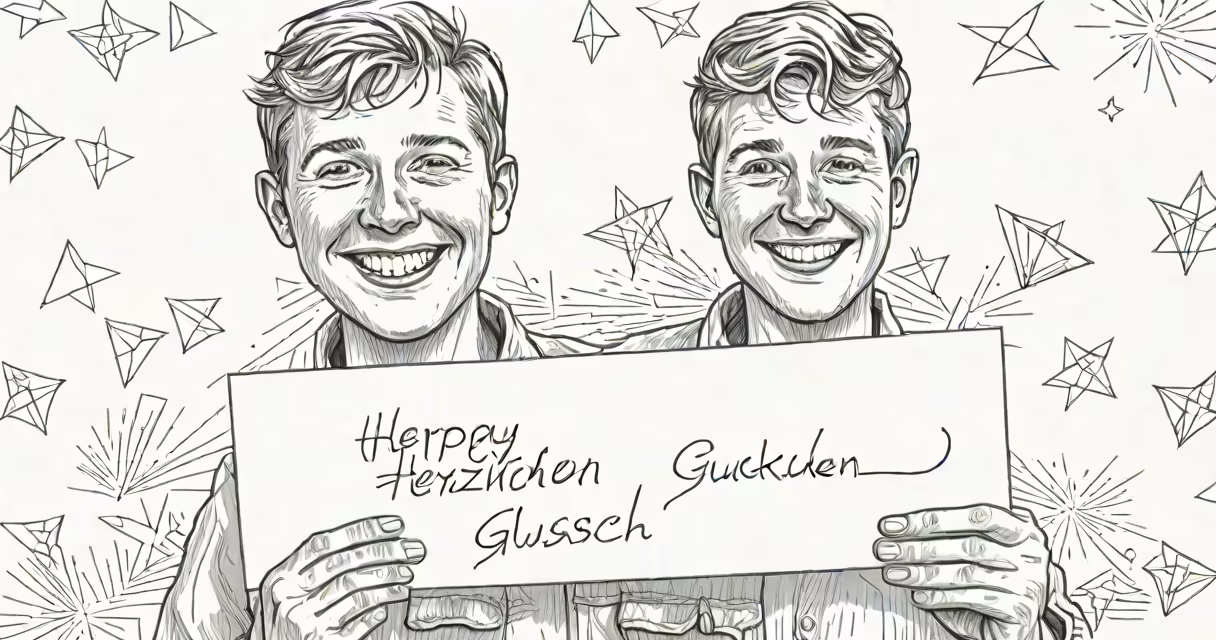
Saying congratulations in German requires matching the tone and formality of the situation. The most common phrase is "Herzlichen Glückwunsch," used for birthdays, achievements, and new jobs. For informal settings, "Glückwunsch!" suffices.
German uses formal and informal registers. "Herzlichen Glückwunsch" is standard in written and spoken communication. It translates literally as "heartfelt congratulations" and appears in emails, cards, and speeches. The word "herzlich" emphasizes sincerity, making it suitable for meaningful milestones.
For less formal contexts, such as telling a friend they passed their exam, "Glückwunsch!" works. It's shorter and more casual. Use it in messages, texts, or verbal exchanges among peers. Avoid using "Glückwunsch!" in professional or official settings-it lacks the warmth expected in those situations.
How It Works: Structure and Usage
The phrase "Herzlichen Glückwunsch" follows a fixed structure. "Herzlich" modifies "Glückwunsch," which means "congratulation." The adjective "herzlich" is inflected to match the noun's gender and case. Since "Glückwunsch" is masculine and in the nominative case, "herzlich" becomes "herzlichen."
When addressing someone formally, use the full phrase: "Herzlichen Glückwunsch zum Geburtstag!" This version includes the occasion-birthday-making the message specific. In writing, capitalization matters: "Glückwunsch" begins with a capital letter, even when not at the start of a sentence.
Use "Herzlichen Glückwunsch" in both spoken and written German. It appears in invitations, social media posts, and official announcements. For example, a company email announcing a promotion might read: "Herzlichen Glückwunsch zum neuen Posten!" This maintains professionalism while expressing appreciation.
Types and Contexts
Different life events require tailored phrasing. Use "Herzlichen Glückwunsch" for major milestones: graduations, weddings, promotions, and new homes. The phrase remains consistent across events, but adding context improves clarity and personalization.
| Occasion | Formal Phrase | Casual Alternative |
|---|---|---|
| Birthday | Herzlichen Glückwunsch zum Geburtstag! | Glückwunsch, Alter! |
| Wedding | Herzlichen Glückwunsch zur Hochzeit! | Herzlichen Glückwunsch, ihr zwei! |
| Job Promotion | Herzlichen Glückwunsch zum neuen Posten! | Gratulation! Du schaffst das! |
| Academic Achievement | Herzlichen Glückwunsch zum Abschluss! | Super gemacht - Herzlichen Glückwunsch! |
Informal alternatives vary by region and relationship. In southern Germany, people may say "Herzlichen Glückwunsch, du Schatz!" to close friends. In Austria, "Herzliche Gratulation!" is common in both spoken and written forms. These variations reflect local dialects and cultural norms.
When writing a card, include the event name. A birthday card might read: "Herzlichen Glückwunsch zum 30. Geburtstag! Möge das neue Jahr voller Freude und Abenteuer sein." This adds emotional weight and shows attention to detail.
Common Mistakes and Clarifications
A frequent error is confusing "Glückwunsch" with "Gratulation." While both mean "congratulation," "Gratulation" is more formal and often used in academic or legal documents. "Glückwunsch" is better suited for personal messages. Using "Gratulation" in a birthday card feels cold and distant.
Another mistake is misplacing the adjective. "Herzlich" must agree in case and gender. Saying "Herzliches Glückwunsch" is incorrect because "Glückwunsch" is masculine, requiring "herzlichen." This error appears in beginner textbooks and online forums, leading to confusion.
Non-native speakers sometimes use "Herzlichen Glückwunsch" in negative contexts. For example, saying "Herzlichen Glückwunsch" after someone fails an exam is inappropriate. The phrase is reserved for positive outcomes. Use "Ich drücke dir die Daumen" (I'm sending you good vibes) instead for setbacks.
Real-World Example
In 2022, a German university awarded a scholarship to a student from Canada. The official announcement read: "Herzlichen Glückwunsch zur Ernennung als Stipendiatin! Ihre Leistung ist herausragend." This sentence combines formal greeting with recognition of achievement. The university used "Herzlichen Glückwunsch" to acknowledge merit and inspire continued effort.
For a personal example, I once sent a birthday card to a colleague in Munich. I wrote: "Herzlichen Glückwunsch zum 40. Geburtstag! Hoffentlich hast du einen wundervollen Tag." The recipient later told me the message felt sincere and well-timed. The inclusion of "Hoffentlich" (hopefully) added warmth without overstepping formality.
Related Concepts and Misunderstandings
Some confuse "Glückwunsch" with "Frohes Fest," used during holidays. "Frohes Fest" means "happy holiday" and applies to Christmas, Easter, or New Year. It's not appropriate for birthdays or promotions. Mixing them leads to awkward misunderstandings.
Another misconception is thinking "Glückwunsch" can replace "Danke" (thank you). While both express gratitude, they serve different purposes. "Glückwunsch" celebrates success; "Danke" acknowledges kindness. Using "Glückwunsch" after receiving a gift sounds odd. Say "Vielen Dank" instead.
When translating, avoid literal equivalents. "Congratulations!" in English is not always "Herzlichen Glückwunsch!" in German. Some contexts use "Herzliche Gratulation" or "Herzlichen Glückwunsch!" with exclamation marks. The punctuation reinforces emotion and intent.
Understanding how to say congratulations in German involves more than memorizing phrases. It requires grasping tone, context, and cultural nuance. Use "Herzlichen Glückwunsch" for formal events, "Glückwunsch!" for informal ones, and avoid mixing terms. Correct usage builds trust and connection in German-speaking environments.