
What Is Included in Snap Benefits
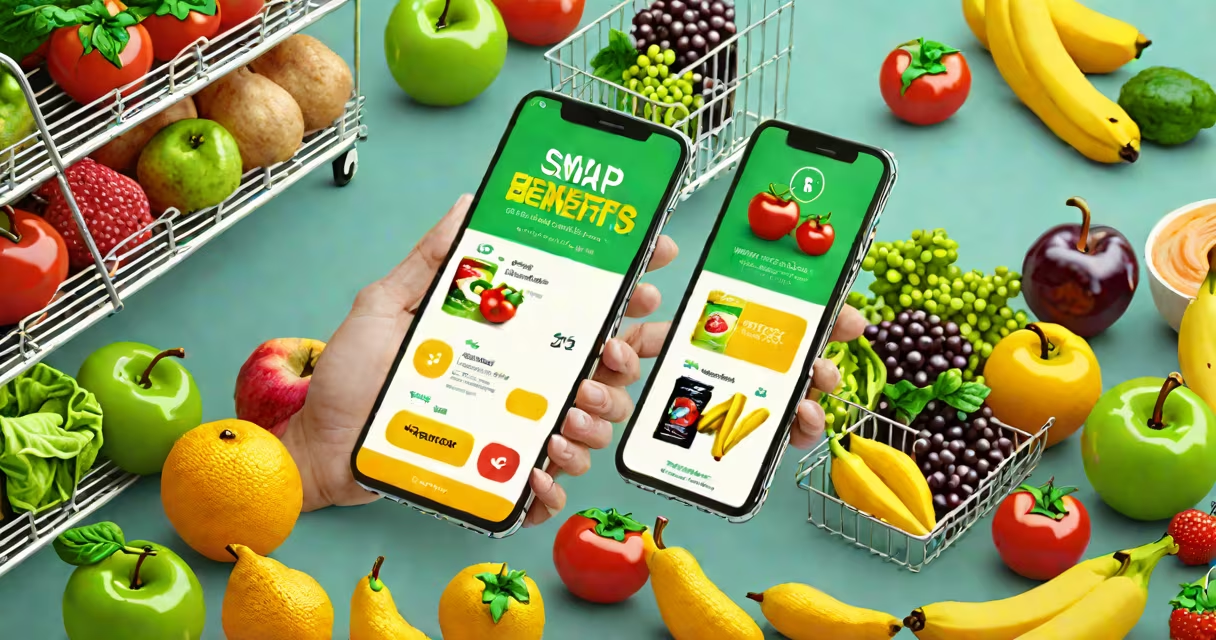
Snap benefits are federal funds distributed via an electronic benefit transfer (EBT) card to help low-income individuals and families buy food. The program covers groceries at authorized retailers, including supermarkets, farmers markets, and online vendors.
Eligibility is based on household income, size, and expenses. Benefits are issued monthly and can be used to purchase most food items, excluding alcohol, tobacco, vitamins, and hot prepared meals. The maximum monthly benefit varies by state and household size, with a national average of $250 per person.
For a household of four earning below 130% of the federal poverty level, the typical monthly benefit ranges from $500 to $680. These funds are deposited automatically on the EBT card each month, replacing paper coupons used in past decades.
How Snap Benefits Work
Each approved household receives an EBT card similar to a debit card. When shopping, the recipient swipes the card at checkout and enters a PIN. The system deducts the cost of eligible food items from the monthly benefit balance.
Transactions are processed through the SNAP network, which connects state agencies to participating retailers. Retailers must be certified by the USDA to accept EBT payments. As of 2023, over 180,000 stores nationwide accept SNAP, including major chains like Walmart, Kroger, and Target.
Benefits do not roll over. Unused balances expire at the end of each month. Some states offer a "snap balance check" feature through mobile apps, allowing users to track spending in real time.
What Food Items Are Covered?
Snap benefits cover most grocery items intended for home consumption. This includes fruits, vegetables, meat, dairy, bread, cereals, and frozen meals. The USDA specifies that any food item meant to be cooked or eaten at home qualifies.
Items excluded from coverage include:
- Alcohol and tobacco products
- Non-food items like soap or pet food
- Hot foods sold ready-to-eat (e.g., rotisserie chicken from a deli counter)
- Supplements and vitamins
Some exceptions exist. For example, certain states allow SNAP use at farmers markets where fresh produce is sold. The USDA's Farmers Market Nutrition Program allows beneficiaries to use their benefits for fresh fruits and vegetables at certified local markets.
Types of Snap Benefits and Access Methods
There are two primary access routes: standard and expedited benefits. Standard applications take up to 30 days to process. Expedited benefits, available to households with less than $100 in liquid assets and income below 130% of the poverty line, are issued within seven days.
Expedited eligibility applies to those facing emergency situations such as eviction, utility shutoffs, or recent job loss. A single parent with no savings and a $1,200 monthly income may qualify for immediate assistance under this category.
| Benefit Type | Processing Time | Eligibility Criteria | Example Scenario |
|---|---|---|---|
| Standard SNAP | Up to 30 days | Household income ≤130% of poverty level | Family of four earns $3,200/month |
| Expedited SNAP | Within 7 days | Less than $100 in cash, income ≤130% of poverty | Single mother with $50 in bank account and $1,500 monthly income |
Online applications are now accepted in all 50 states. The USDA reports that 70% of applicants in 2023 used web portals to submit forms. States like California and New York have integrated video interviews and document uploads to reduce processing delays.
Common Misconceptions and Clarifications
Many people assume SNAP benefits can be used to buy fast food or restaurant meals. This is incorrect. While some pilot programs allow SNAP use at select restaurants for elderly or disabled recipients, general use remains restricted to grocery purchases.
A frequent error is believing that SNAP benefits are taxable income. They are not. The IRS classifies SNAP as a non-taxable public assistance benefit. Recipients do not report SNAP earnings on tax returns.
Another misunderstanding involves the term "snap benefits." Some confuse it with "snapchat," the social media platform. The name "SNAP" stands for Supplemental Nutrition Assistance Program-the official designation since 2008. The program was formerly known as food stamps.
Real-World Example: A Family's Monthly SNAP Experience
Consider a household of four in Texas: two adults, one child aged 6, and another child aged 10. The family earns $3,400 monthly, just above the 130% poverty threshold ($3,348 for a four-person household).
After submitting the application online, they receive a notice of approval within 15 days. Their monthly SNAP allotment is calculated at $632. The EBT card is mailed within five business days. The family uses the card to buy rice, beans, milk, eggs, apples, and frozen chicken breasts at a local grocery store.
At checkout, the cashier processes the transaction. The card balance drops from $632 to $410 after $222 in groceries. The remaining $222 rolls over to the next month, but only if the household re-enrolls. If not, the balance resets at the start of the new cycle.
I applied for SNAP during a period of unemployment in 2022. The online portal guided me through uploading pay stubs and a lease agreement. Within 12 days, I received my EBT card and began using it at a nearby supermarket. The process felt straightforward, especially with the step-by-step instructions in the application form.
Where to Apply and What to Expect
Applicants must provide proof of identity, residency, income, and household composition. Acceptable documents include driver's licenses, utility bills, pay stubs, and bank statements. Digital copies are often required.
Once approved, benefits are loaded onto the EBT card on the first of the month. The amount depends on household size and income. For example, a household of three with $2,500 monthly income typically receives around $480 in benefits.
Understanding what is included in SNAP benefits ensures accurate use and avoids denial of benefits. The program supports food security for millions annually. It is not a handout-it is a tool to ensure basic nutritional needs are met during times of economic stress.