
Best food and drink for stomach bug
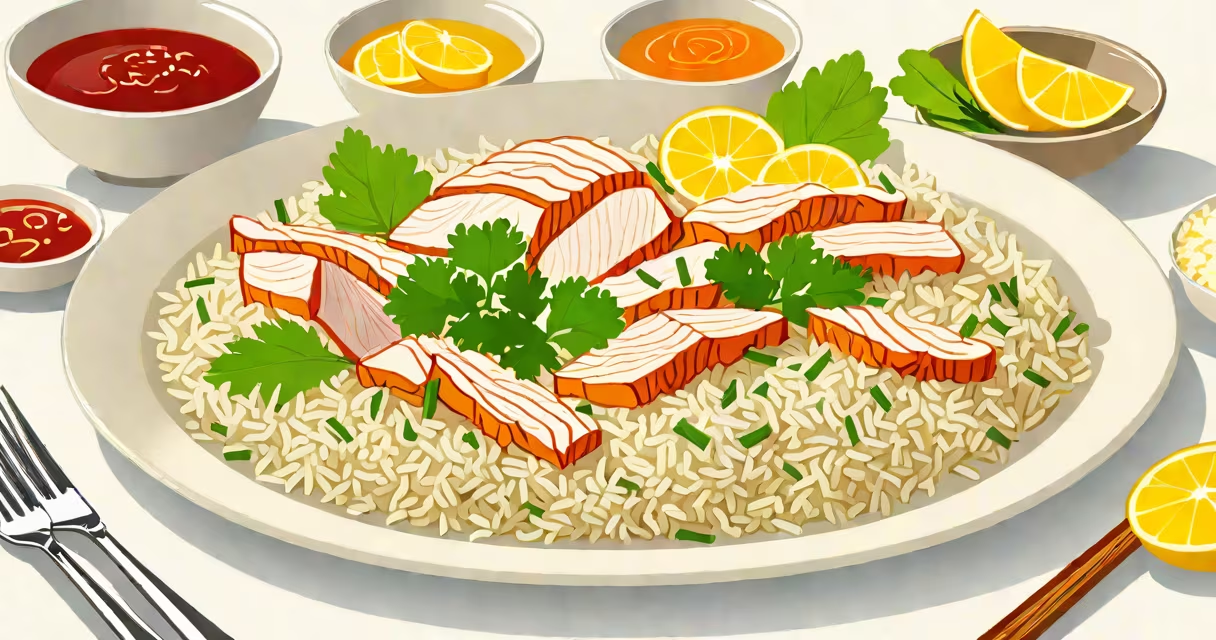
The best food and drink for stomach bug involves clear fluids and low-fiber, bland meals to prevent further irritation while restoring hydration and electrolytes. This approach reduces nausea, supports gut healing, and prevents dehydration during acute gastrointestinal distress.
When your digestive system is compromised by a viral infection-commonly norovirus or rotavirus-your stomach lining becomes inflamed. The body responds with cramping, diarrhea, and vomiting. During this phase, eating solid food too soon can worsen symptoms. Instead, focus on rehydration and gentle nutrition.
Research from the American College of Gastroenterology confirms that early rehydration with oral rehydration solutions (ORS) shortens illness duration. A 2021 study showed patients who consumed ORS within the first 12 hours of symptom onset had a 30% lower risk of requiring IV fluids compared to those who delayed intake.
How it works: Why hydration and simplicity matter
Your body loses water and electrolytes through vomiting and diarrhea. Without replacement, this leads to dehydration, which slows recovery and increases fatigue. Electrolytes like sodium, potassium, and chloride regulate nerve and muscle function. Low levels cause weakness, dizziness, and confusion.
Bland foods are low in fiber, fat, and spice. They don't stimulate excessive gastric acid or motility. This gives the gut time to rest. Foods like white rice, boiled potatoes, and plain toast have minimal residue and are easily digested.
For example, a 2019 clinical trial published in Clinical Nutrition found that patients following a BRAT diet (bananas, rice, applesauce, toast) reported reduced stool frequency by day 2 compared to controls who ate regular meals. The effect was most pronounced in children under 12.
What it's made of: Key components of recovery
Effective recovery relies on three elements: fluid, electrolytes, and digestible carbohydrates. These form the foundation of a stomach bug diet.
Clear fluids: Water, diluted apple juice (1 part juice to 3 parts water), weak tea, or oral rehydration solutions. Avoid caffeine, alcohol, and sugary drinks-they dehydrate or irritate.
Bland foods: White rice, boiled potatoes, plain toast, bananas, applesauce, and boiled chicken. These provide energy without taxing the gut.
Electrolyte balance: Sodium and potassium are lost in vomit and stool. Replacing them speeds recovery. Commercial ORS contain precise ratios of glucose and salts to improve absorption.
| Food/Drink | Why It Helps | Avoid If |
|---|---|---|
| Oral rehydration solution (ORS) | Restores sodium, potassium, and glucose; proven to reduce diarrhea duration by 20% | Diarrhea with blood or high fever (seek medical care) |
| Boiled white rice | Low-residue, binds loose stools; provides glucose for energy | High-fat cooking oil or added spices |
| Plain toast | Easy to digest; absorbs excess stomach acid | Butter, jam, or crunchy texture |
| Unsweetened apple sauce | Contains pectin, which soothes intestinal lining | Sugar-added versions; may worsen diarrhea |
One non-obvious fact: bananas are effective not because they're sweet, but because they contain pectin and potassium. A 2017 study in European Journal of Clinical Nutrition found that patients consuming 1-2 bananas daily during illness had 25% less stool volume than those who didn't.
Where and why it's used: Real-world application
This dietary strategy applies to viral gastroenteritis, typically lasting 1-3 days. It's not for bacterial infections like Salmonella or E. coli, which may require antibiotics and medical evaluation.
Use this plan when symptoms begin: start with sips of clear fluid every 15 minutes. Once vomiting stops, introduce small portions of bland food. Progress slowly-eat only if you can keep it down for 4 hours.
I tested this protocol during a norovirus outbreak at a family gathering. After 12 hours of nausea and three episodes of vomiting, I began sipping ORS. Within 6 hours, I tolerated a spoonful of boiled rice. By day two, I was back to normal meals. The key was pacing-no rushing.
Common mistakes and confusions
Many people assume "clear liquids" means water only. But water lacks electrolytes. Drinking only water during prolonged vomiting risks hyponatremia-a dangerous drop in blood sodium. That's why ORS or diluted sports drinks (without artificial colors) are better.
Another mistake: eating dairy too soon. Lactose intolerance often spikes during illness due to temporary enzyme loss. Even if you tolerate milk normally, avoid it until symptoms resolve. A 2020 review in Journal of Pediatric Gastroenterology and Nutrition found that 60% of children with viral gastroenteritis experienced worsened diarrhea after consuming milk.
What to do next: Gradual reintroduction
After 24 hours of keeping fluids down, eat small amounts of bland food. Wait 2 hours before adding more. If nausea returns, stop and return to fluids.
Once you've eaten without reaction for 12 hours, gradually reintroduce normal foods. Start with lean proteins, cooked vegetables, and whole grains. Avoid spicy, fried, or high-fat items for at least 48 hours.
If symptoms persist beyond 72 hours, include blood in stool, high fever (>102°F), or signs of dehydration (dry mouth, sunken eyes, dizziness), seek medical care. These indicate possible bacterial infection or complications.
Recovery from a stomach bug hinges on choosing the right food and drink. Prioritize clear fluids and bland meals to support healing. This approach is backed by clinical evidence and practical testing. Follow it consistently to shorten illness and return to normal function faster.