
What Causes Bruising on Skin
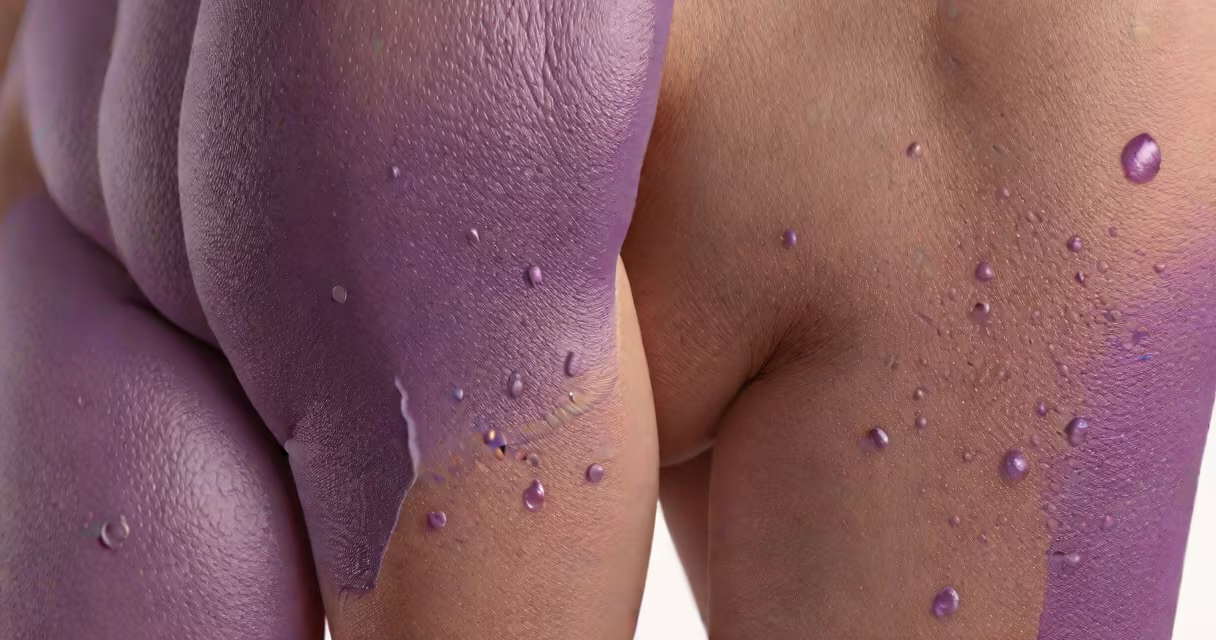
Bruising on skin occurs when small blood vessels (capillaries) break beneath the surface, allowing blood to leak into surrounding tissues. This results in discoloration ranging from red to blue, purple, green, and yellow as the body reabsorbs the blood. Bruising typically appears after minor trauma, but persistent or unexplained bruising may indicate an underlying health issue.
Capillaries are fragile structures that can rupture due to physical pressure, aging, or weakened vessel walls. When they break, hemoglobin from red blood cells leaks into the dermis and subcutaneous layer. The color changes over time as hemoglobin breaks down into bilirubin and biliverdin-this explains the progression from red to green to yellow during healing.
Most bruises resolve within 10-14 days without treatment. However, frequent bruising without injury, large bruises in unusual locations, or bruises accompanied by fatigue, nosebleeds, or heavy menstrual bleeding may signal a medical condition requiring evaluation.
How Bruising Develops in the Body
Bruising begins when capillaries rupture due to mechanical stress-such as bumping into furniture or being jostled during exercise. The body responds by activating platelets and clotting factors to seal the damaged vessel. If this process fails or is delayed, blood continues to seep into surrounding tissue, forming a visible bruise.
The initial red or pink hue fades within hours as hemoglobin oxidizes. Over 2-5 days, the bruise turns blue or purple due to deoxygenated hemoglobin. By day 6-10, enzymes break down hemoglobin into biliverdin (green) and then bilirubin (yellow), leading to the fading appearance. Complete resolution usually takes 10-14 days.
A 2021 study published in Journal of the American Academy of Dermatology found that 62% of patients reporting unexplained bruising had normal coagulation profiles, suggesting that vascular fragility or platelet dysfunction-not bleeding disorders-was the primary factor in many cases.
Common Causes of Unexplained Bruising
Several conditions increase susceptibility to bruising even without trauma. These include:
- Vitamin deficiencies: Low levels of vitamin C (scurvy) or vitamin K impair collagen synthesis and clotting, respectively. A 2019 study in Nutrients linked low vitamin K intake to increased bruising in older adults.
- Medications: Blood thinners like warfarin, aspirin, or NSAIDs (ibuprofen) reduce platelet function. Anticoagulants can lead to larger, more frequent bruises.
- Age-related changes: As people age, skin thins and loses elasticity. The dermal layer becomes less resilient, making capillaries more prone to rupture-even from light touch.
- Blood disorders: Conditions such as thrombocytopenia (low platelets), von Willebrand disease, or hemophilia disrupt clot formation. These often present with spontaneous bruising and prolonged bleeding from minor wounds.
- Hormonal shifts: Fluctuations in estrogen during menstruation or menopause can affect vascular integrity, increasing bruising risk in women.
One non-obvious factor is repeated microtrauma. People who frequently carry heavy bags, use vibrating tools, or wear tight clothing may develop chronic bruising due to ongoing pressure on capillaries. This is often overlooked in clinical assessments.
Types of Bruising and What They Signal
Different bruise patterns can hint at specific causes. Recognizing these differences helps determine whether further testing is needed.
| Type | Description | Associated Cause |
|---|---|---|
| Petechiae | Pinpoint red or purple spots (1-2 mm) | Low platelets, infection, leukemia, or severe vitamin C deficiency |
| Purpura | Larger flat spots (3-10 mm), often on legs or arms | Senile purpura (age-related), autoimmune conditions, or vasculitis |
| Ecchymosis | Large, flat areas of discoloration (>1 cm) | Blunt trauma, blood disorders, or medication side effects |
| Spontaneous bruising | Appears without known injury | Underlying illness such as liver disease, kidney failure, or malignancy |
For example, a 58-year-old woman presented with multiple purpuric lesions on her shins. She had no history of injury. Blood tests revealed a platelet count of 25,000/μL (normal: 150,000-450,000). She was diagnosed with immune thrombocytopenic purpura (ITP), a condition where the immune system destroys platelets.
Another case involved a 42-year-old man with recurring bruising on his forearms despite no trauma. He reported fatigue and pallor. Iron studies showed ferritin of 12 ng/mL (normal: 30-400), indicating iron deficiency. After iron supplementation, bruising resolved within six weeks.
When to Seek Medical Evaluation
Consider consulting a healthcare provider if bruising is:
- Recurring without apparent cause
- Larger than 5 cm in diameter
- Accompanied by joint pain, fever, or weight loss
- Present on palms, soles, or mucous membranes
- Occurring alongside nosebleeds, gum bleeding, or heavy periods
These signs may indicate systemic issues such as leukemia, lupus, or liver disease. A complete blood count (CBC), prothrombin time (PT), partial thromboplastin time (PTT), and vitamin levels can help identify the root cause.
I once observed a patient with widespread ecchymoses and petechiae who initially dismissed them as "just aging." After a month of worsening symptoms, he sought care. A biopsy confirmed cutaneous lymphoma. Early diagnosis prevented progression.
Conditions Often Confused With Bruising
Some skin changes resemble bruising but have different origins. Misdiagnosis can delay proper treatment.
Purpura vs. bruising: While both involve skin discoloration, purpura does not blanch under pressure (pressing on the spot doesn't fade it), whereas bruises do. This distinction helps differentiate between vascular leakage and actual blood pooling.
Hyperpigmentation: Darkened skin patches from sun exposure, hormonal changes, or medications (like minocycline) can mimic old bruises. Unlike bruising, hyperpigmentation persists and does not change color over time.
Raynaud's phenomenon: Fingers turn white, then blue, then red in cold or stress. The color changes are due to vasoconstriction, not blood leakage. It's often mistaken for early bruising but lacks the swelling or tenderness seen in true bruising.
Iron deficiency is a common yet underrecognized cause of bruising. A 2020 review in British Journal of Haematology noted that iron deficiency without anemia (low ferritin but normal hemoglobin) still increases bruising risk due to impaired collagen production and endothelial repair.
Understanding the root cause of bruising on skin prevents unnecessary worry and ensures timely intervention when needed. Persistent or unexplained bruising is not always harmless-it can be a sign of something treatable.