
jar of date night ideas
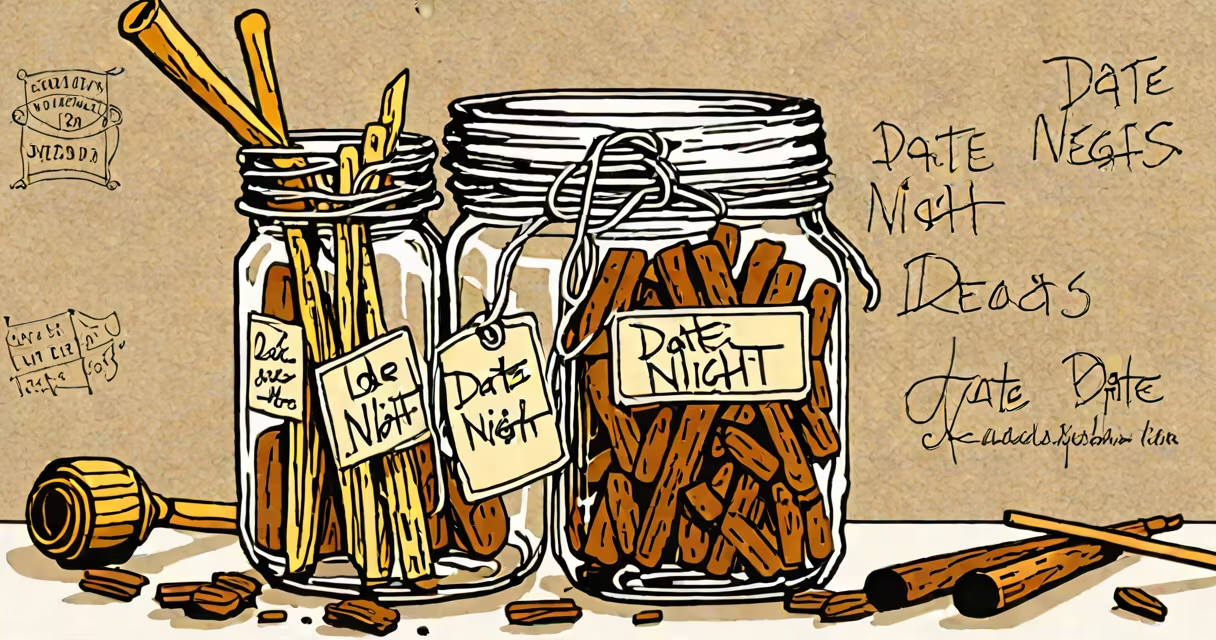
A jar of date night ideas is a physical container filled with written suggestions for shared experiences, designed to reduce decision fatigue and inspire spontaneous, meaningful time together. It's a practical tool for couples who want to avoid routine or last-minute scrambles when planning evenings out.
Each idea is written on a small slip of paper, folded and placed in a jar-often a mason jar or decorative glass vessel. When a couple wants to plan a night, they draw one slip at random. The prompt might suggest cooking a meal together, watching a film from a specific decade, visiting a local art gallery, or trying a new dessert spot. The act of drawing creates anticipation and removes the burden of choosing.
This format originated as a DIY solution for busy couples seeking structure without rigidity. It gained popularity through lifestyle blogs and social media, particularly among partners who value intentionality in relationships. According to the American Psychological Association, regular shared activities strengthen emotional bonds and improve relationship satisfaction, making the jar a simple yet effective tool for connection.
How It Works
The system operates on randomness and simplicity. A couple fills the jar with 20 to 50 short, actionable ideas. Each is written, using concise language. Examples include "Try a new recipe using only ingredients in your pantry," "Watch a movie under the stars with blankets and snacks," or "Take a walk through a neighborhood you've never explored."
When the time comes to plan a night, one person draws a slip. They read it aloud, discuss whether it fits their mood or schedule, then commit to doing it. No negotiation, no debate-just execution. This reduces friction in decision-making, which research from the Journal of Personality and Social Psychology shows correlates with lower relationship conflict.
Some couples rotate themes weekly: "Adventure Week" might include hiking or mini-golf, while "Cozy Week" focuses on board games, candlelit dinners, or stargazing. Others assign a theme based on the season-"Winter Warmth" or "Spring Awakening"-to align activities with weather and mood.
Types and Materials
There's no single correct way to build a jar. The materials and format depend on personal preference and available supplies. Common choices include:
| Type | Materials | Best For |
|---|---|---|
| Classic Mason Jar | Glass jar, paper slips, pen, twine or ribbon | Traditional look, easy to refill, reusable |
| Themed Decorative Jar | Colored glass, engraved labels, custom stickers | Gifts, special occasions, visual appeal |
| Portable Mini Jar | Small glass vial, cork stopper, compact size | Travel, road trips, weekend getaways |
For durability and clarity, use thick cardstock or index cards cut into uniform sizes. Avoid thin paper that tears easily. Write in permanent marker or fine-tip pen to prevent smudging. Store the jar in a visible location-on a kitchen counter, shelf, or bedside table-to encourage consistent use.
One non-obvious tip: label the jar with a category, such as "Weekend Escape" or "Indoor Cozy," to filter options. This prevents overwhelm when multiple themes exist. For example, if you're feeling tired after work, you can pull only from the "Low Energy" list instead of scanning all 50 ideas.
Why Couples Use It
Couples use a jar of date night ideas to combat routine fatigue. After months or years together, shared evenings can fall into predictable patterns-dinner at home, TV, bed. The jar introduces novelty without requiring planning effort. A study published in the journal Personal Relationships found that couples who engaged in novel activities reported higher levels of relationship satisfaction than those who stuck to familiar routines.
It also supports inclusivity. Not every partner enjoys the same activities. One may prefer quiet time, the other adventure. The jar allows both to contribute ideas, ensuring neither feels excluded. Over time, this builds mutual respect and shared ownership of relationship quality.
For example, a couple in Austin, Texas, created a jar with 36 ideas drawn from local events. Their favorite was "Visit the Texas State Capitol at sunset and take photos of the dome." They did it once a month. After six months, they had logged 12 unique experiences and reported feeling more connected than during their first year together.
Common Misconceptions
Many assume the jar is only for long-term couples or newlyweds. That's incorrect. It works equally well for people in early dating stages, long-distance pairs (who can do virtual versions), or even roommates looking to deepen friendship. The key is consistency, not relationship stage.
Another myth: the jar must contain only romantic or grand gestures. In reality, the most effective ideas are small, low-cost, and emotionally resonant. A prompt like "Share a memory from your childhood over tea" builds intimacy faster than a $150 dinner reservation.
Some think the jar requires constant maintenance. Actually, once filled, it lasts months. Refresh it annually or when ideas feel stale. Replace worn slips with new ones. Keep the original list intact for nostalgia-many couples return to old ideas years later and find them still meaningful.
I once built a jar with my partner during a rainy winter. We wrote 25 ideas, including "recreate a scene from your favorite movie using household items." We acted out a brief version of *The Breakfast Club* using bath towels as capes and a laundry basket as a "principal's office." It wasn't perfect-but we laughed for 45 minutes. That moment became part of our shared story.
Where to Find or Create Ideas
Include at least five ideas that are free or under $10. Budget-friendly options increase participation and reduce pressure. Examples: "Play a game of charades using only emojis," "Write love letters to each other and read them aloud," or "Recreate your first date with the same playlist and outfit."
Use a spreadsheet to track which ideas have been tried. This avoids repetition and helps identify favorites. A couple in Portland kept a log and discovered they consistently chose outdoor activities-leading them to start a monthly park visit tradition.
Finally, remember: the jar isn't about perfection. It's about presence. The goal isn't to check off every idea-it's to create space for shared moments, however small. As psychologist John Gottman notes, "Relationships thrive not on grand gestures, but on the accumulation of small, positive interactions." The jar makes that accumulation intentional.
Using a jar of date night ideas doesn't require special skills or expensive tools. It demands only a willingness to try something new together. With a few sheets of paper and a clear container, couples gain a simple, lasting mechanism for connection.