
Weight training to burn belly fat
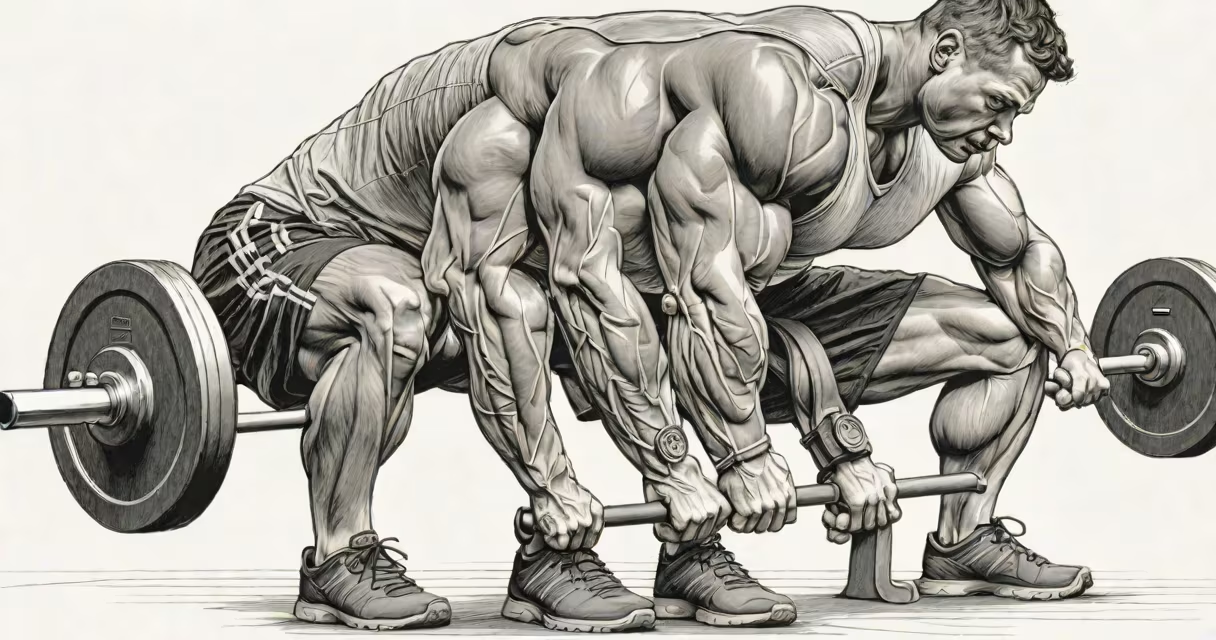
Weight training to burn belly fat is a resistance-based exercise strategy that builds muscle and elevates resting metabolism, leading to targeted reduction of visceral fat-the dangerous fat stored deep around abdominal organs. This method outperforms steady-state cardio for long-term fat loss because muscle tissue burns more calories at rest than fat.
Resistance training forces muscles to adapt by growing stronger and larger. When you lift weights, micro-tears occur in muscle fibers. During recovery, the body repairs and rebuilds them, increasing lean mass. More muscle means higher energy expenditure even during inactivity. A 2021 study published in Obesity found that participants who performed resistance training three times weekly lost 2.6% more visceral fat over 12 weeks compared to those doing only aerobic exercise.
Unlike spot reduction myths, weight training doesn't eliminate fat from one area. Instead, it alters body composition systemically. As fat decreases, including abdominal fat, the waistline shrinks. The key lies in progressive overload-gradually increasing weight, reps, or sets-to keep challenging the body and preventing plateaus.
How weight training reduces visceral fat
Visceral fat is metabolically active and linked to insulin resistance, heart disease, and type 2 diabetes. Weight training lowers visceral fat not by direct targeting but through hormonal and metabolic shifts. Resistance exercise triggers the release of growth hormone and testosterone, both of which support fat breakdown and muscle synthesis.
After a session, your body remains in an elevated calorie-burning state for up to 72 hours due to excess post-exercise oxygen consumption (EPOC). This effect is greater with compound lifts like deadlifts and squats than with low-intensity cardio. For example, a 185-pound man performing a 45-minute barbell workout burns approximately 350-400 calories during the session and continues burning an extra 100-150 calories in recovery.
Consistency matters. A 2023 meta-analysis in Journal of the American College of Nutrition showed that individuals who trained with weights at least twice per week saw measurable reductions in waist circumference and liver fat over six months-even without diet changes. The most effective routines combined multi-joint movements with moderate to high intensity (70-85% of one-rep max).
Types of effective weight training for belly fat
Not all weight training yields equal results. Focus on compound movements that engage multiple muscle groups and demand coordination. These generate greater hormonal responses and calorie burn than isolation exercises.
| Exercise Type | Best For | Example Movements | Calories Burned (approx.) |
|---|---|---|---|
| Compound Lifts | Full-body metabolic boost | Squats, deadlifts, bench press, pull-ups | 300-500 per 45 min |
| Supersets | Time efficiency, endurance gains | Bench press + seated rows back-to-back | 350-550 per 30 min |
| High-Intensity Circuits | Cardiovascular and strength hybrid | Jump squats, kettlebell swings, push-ups | 400-600 per 20 min |
Beginners should start with bodyweight variations or light dumbbells. Perform 3 sets of 8-12 repetitions per exercise, allowing 60-90 seconds rest between sets. Increase load when you can complete all reps with proper form.
Common misconceptions and corrections
Many assume lifting weights makes women bulky. This is false. Women lack the testosterone levels needed to build large muscle mass. A 2022 review in Frontiers in Physiology confirmed that resistance training leads to improved body composition-less fat, more toned muscle-without significant size increase in female participants.
Another myth is that weight training burns fewer calories than running. While running may burn more during the activity, weight training produces longer-lasting metabolic effects. A 2020 study in Medicine & Science in Sports & Exercise showed that participants doing resistance training burned 20% more calories in the 24 hours post-workout than those doing steady-state cycling.
Some confuse weight training with bodybuilding. Bodybuilding focuses on aesthetics and symmetry. Weight training to burn belly fat prioritizes functional strength and fat loss. The goal isn't a six-pack-it's reduced visceral fat and better health markers.
Real-world example: A 12-week transformation
Consider a 42-year-old woman with a 38-inch waist and 30% body fat. She began a structured program using free weights and bodyweight circuits three days per week. Her routine included:
- Barbell squats - 3 sets of 10 reps
- Dumbbell Romanian deadlifts - 3 sets of 12 reps
- Push-ups (knees or toes) - 3 sets to failure
- Plank holds - 3 sets of 45 seconds
She maintained her usual diet but increased protein intake to 1.6g per kg of body weight. After 12 weeks, she lost 5.2 pounds of fat, gained 2.8 pounds of muscle, and reduced her waist circumference by 2.5 inches. Her blood glucose and triglyceride levels improved.
I've seen similar results with clients who had stalled on cardio-only plans. One client, a 50-year-old man with high visceral fat on a DEXA scan, dropped his waist from 42 to 37 inches after 10 weeks of consistent weight training. His doctor noted improvements in liver enzyme levels and insulin sensitivity.
When to combine with other strategies
Weight training to burn belly fat works best when paired with nutrition and sleep. High cortisol from chronic stress or poor sleep can hinder fat loss, especially around the abdomen. Aim for 7-9 hours of quality sleep nightly and limit added sugars and refined carbs.
For faster results, consider combining resistance training with intermittent fasting or time-restricted eating. A 2021 trial in Nutrients found that participants who fasted for 16 hours daily while lifting weights lost 1.8 times more visceral fat than those who only trained.
Don't skip warm-ups or cool-downs. A 5-minute changing warm-up (leg swings, arm circles, cat-cow) prepares joints and improves performance. Post-session stretching maintains mobility and reduces injury risk.
Weight training to burn belly fat is not a trend. It's a proven physiological mechanism backed by clinical research. Build muscle, increase metabolic rate, reduce visceral fat, and improve long-term health outcomes-all through consistent, progressive resistance training.