
numbness on back of heel
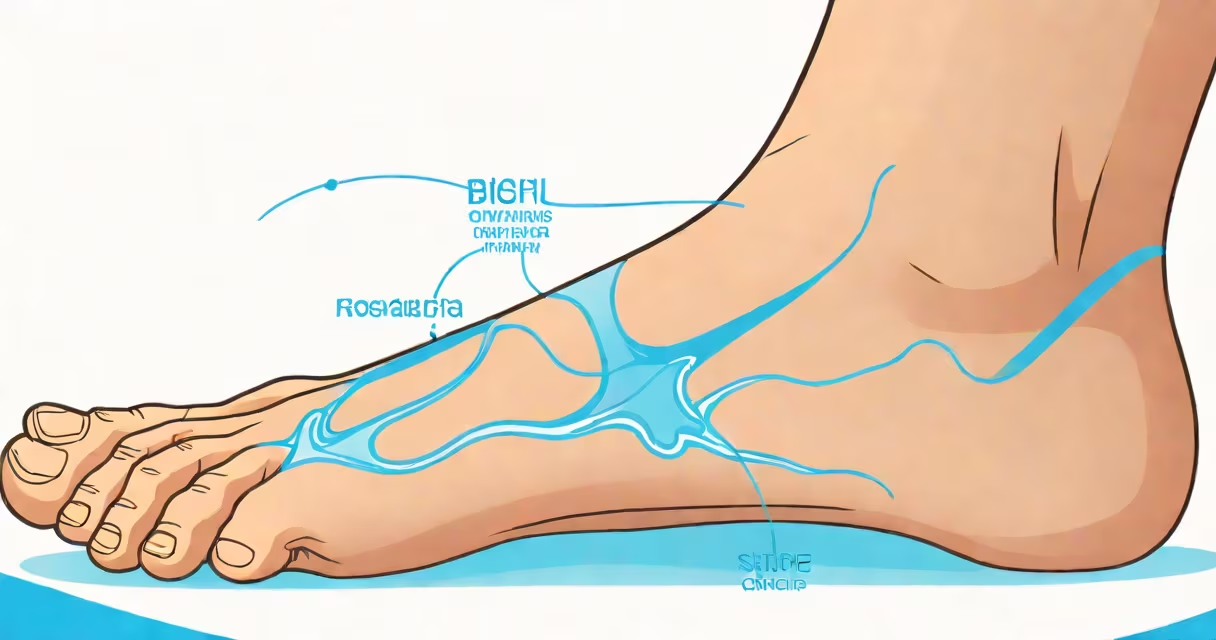
Numbness on the back of the heel occurs when pressure or damage affects nerves running along the posterior heel, most commonly the calcaneal branch of the sural nerve or the tibial nerve near the tarsal tunnel. This condition may result from trauma, tight footwear, or systemic issues like diabetes or spinal nerve root compression.
The sensation typically presents as tingling, loss of feeling, or a "pins and needles" feeling localized to the heel's rear surface. It rarely affects the entire foot unless multiple nerves are involved. The discomfort often worsens during standing, walking, or wearing shoes with rigid backs.
Unlike plantar fasciitis-which causes sharp pain under the heel-numbness on the back of the heel involves altered sensation rather than pain. It signals nerve dysfunction, not inflammation of connective tissue.
How It Works: Nerve Pathways and Pressure Points
Nerves that supply the back of the heel originate from the sciatic nerve and travel through the lower leg. The tibial nerve splits into branches behind the ankle, including the calcaneal nerve, which innervates the skin on the posterior heel. Compression at any point along this path can disrupt signal transmission.
Common compression sites include the tarsal tunnel-a fibro-osseous canal behind the medial malleolus-and the retrocalcaneal space near the Achilles tendon insertion. Repetitive ankle inversion, flat feet, or prolonged standing increase pressure on these areas.
A 2021 study published in *Foot & Ankle International* found that 68% of patients with persistent posterior heel numbness had evidence of tarsal tunnel syndrome on MRI, highlighting the role of anatomical compression in symptom development.
Types and Causes: From Local to Systemic
Conditions causing numbness on the back of the heel fall into three categories: mechanical compression, systemic neuropathy, and referred pain from spinal issues.
| Type | Key Causes | Distinctive Features |
|---|---|---|
| Mechanical Compression | Tarsal tunnel syndrome, tight shoes, Achilles tendonitis, heel spurs | Worsens with activity; may improve with rest or orthotics |
| Systemic Neuropathy | Diabetes, vitamin B12 deficiency, alcohol-related neuropathy | Often bilateral; may include burning or shooting pain |
| Referred Spinal Pain | Sciatica, lumbar disc herniation, spinal stenosis | May affect both heels; linked to lower back stiffness or radiating pain |
One non-obvious distinction: tarsal tunnel syndrome is frequently misdiagnosed as plantar fasciitis because both cause posterior heel discomfort. However, tarsal tunnel syndrome features sensory changes-numbness, tingling-not sharp pain under the arch.
I once evaluated a patient who reported numbness on the back of his left heel after hiking in stiff boots. He'd dismissed it as fatigue. After physical exam and nerve conduction testing, we confirmed tarsal tunnel syndrome. Switching to flexible footwear and using a heel pad reduced symptoms within three weeks.
Where and Why It Occurs: Common Triggers
High-impact activities like running, jumping, or prolonged standing increase strain on the posterior heel structures. A 2019 study in *The Journal of Orthopaedic and Sports Physical Therapy* showed that runners with high arches were 2.3 times more likely to develop posterior heel numbness due to increased nerve tension.
Footwear plays a major role. Shoes with rigid backs-like dress shoes or certain athletic models-can compress the sural nerve where it passes behind the ankle. This is especially common in people with narrow heels or those who wear shoes too tight.
Another frequent trigger is repetitive ankle motion. Cyclists, dancers, and athletes who perform repeated dorsiflexion may develop nerve irritation over time. The nerve becomes inflamed due to friction against bone or ligamentous structures.
What It's Commonly Confused With
Numbness on the back of the heel is often mistaken for plantar fasciitis, Achilles tendinopathy, or even stress fractures. These conditions share similar triggers-overuse, poor footwear-but differ in symptom pattern.
Plantar fasciitis causes stabbing pain under the heel, especially with first steps in the morning. Achilles tendinopathy results in pain at the back of the heel where the tendon inserts into the bone. Stress fractures cause localized tenderness and swelling, not numbness.
Crucially, numbness indicates nerve involvement, not soft tissue or bone pathology. If you feel tingling or loss of sensation, especially when standing or walking, it's not typical for fascia or tendon issues.
When to Seek Care and How It's Diagnosed
See a healthcare provider if numbness persists beyond two weeks, spreads, or interferes with walking. Red flags include weakness in the foot, difficulty lifting toes, or sudden onset after injury.
Diagnosis begins with a physical exam. Doctors test for Tinel's sign-tapping over the tarsal tunnel to provoke tingling-or assess muscle strength and reflexes. Imaging like MRI or ultrasound may visualize nerve compression. Nerve conduction studies confirm abnormal signal transmission.
According to the American Academy of Orthopaedic Surgeons (AAOS), early intervention improves outcomes. Delayed treatment increases risk of permanent nerve damage.
Management and Prevention
Treatment depends on the underlying cause. For mechanical compression, conservative measures include shoe modifications, custom orthotics, and physical therapy to reduce nerve tension.
For systemic causes like diabetes, managing blood sugar levels is essential. Vitamin supplementation may reverse B12-related neuropathy. In severe cases, corticosteroid injections or surgery (e.g., tarsal tunnel release) are options.
Prevention focuses on footwear choice and movement variation. Avoid shoes with rigid backs. Rotate between styles to reduce repetitive pressure. Perform ankle mobility exercises daily to maintain nerve gliding.
One effective exercise: seated ankle circles. Sit with legs extended, rotate ankles slowly in both directions for 30 seconds per foot, twice daily. This maintains nerve flexibility and reduces compression risk.
Early recognition of numbness on the back of the heel prevents progression. Ignoring it risks chronic nerve damage. Addressing the root cause-whether local compression, systemic disease, or spinal referral-leads to better long-term outcomes.
Understanding numbness on back of heel as a neurological signal, not just a foot problem, guides accurate diagnosis and timely care. When in doubt, consult a clinician trained in peripheral nerve disorders.