
love island adria filmoland
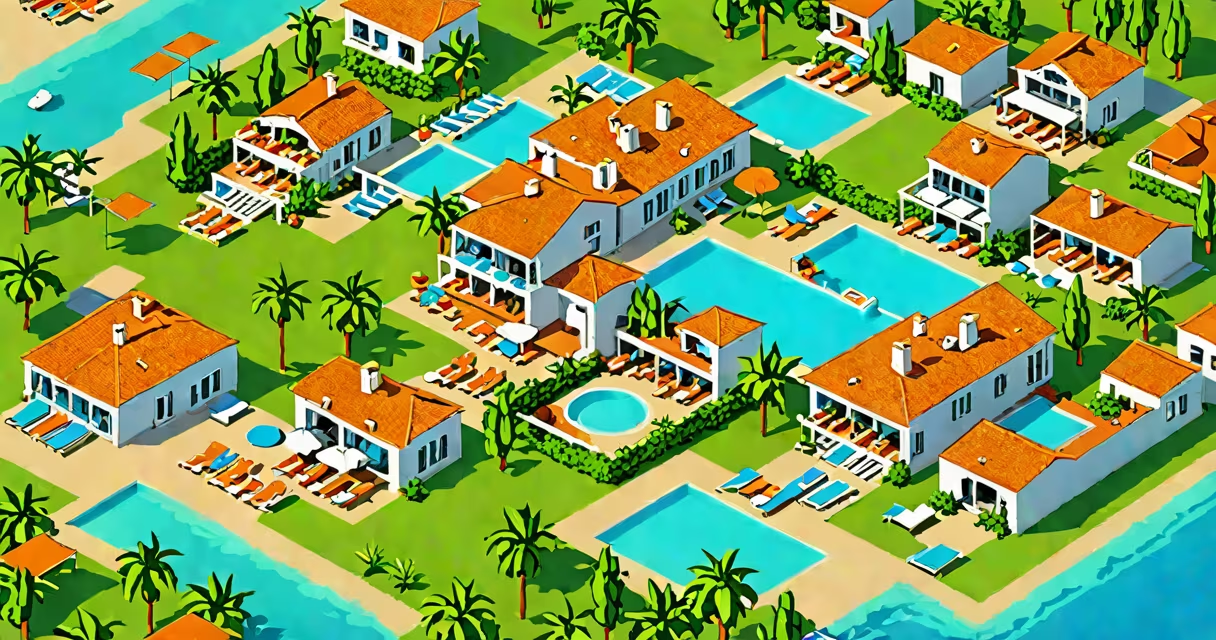
Love Island Adria Filmoland is a romantic reality television series produced in Croatia, set in a purpose-built villa complex at Filmoland Studios near Opatija. Contestants live together, form relationships, and compete for affection while being filmed 24/7. The show is a regional adaptation of the British Love Island format, tailored for Southeast European audiences.
The production takes place in a custom-designed environment at Filmoland Studios, a major Croatian film and TV production facility. The villa features multiple interconnected living spaces, private bedrooms, a large swimming pool, outdoor lounges, and a dedicated "confession room" where couples discuss their feelings. All areas are equipped with cameras and microphones to capture interactions continuously.
Contestants are selected through casting calls and interviews, often including models, influencers, and public figures from the Balkans. They enter the villa with no prior relationships and must go through emotional connections, alliances, and eliminations based on partner choices. The show airs weekly, with new episodes released every Friday during its season.
How It Works
Each episode follows a structured timeline. After a daily challenge or task, contestants vote on who they want to pair up with. Pairs are formed based on mutual interest. Unpaired individuals face elimination, typically via a "dumping" ceremony where the remaining contestants decide who leaves.
Every few days, a "couples' night" occurs, where pairs spend time together in private. These moments are heavily edited for drama and tension. The show uses a mix of real-time footage and staged confessions to heighten emotional stakes. Cameras follow contestants throughout the day, capturing spontaneous moments and planned events alike.
At the end of the season, the winning couple receives a prize, usually a cash reward or a vacation package. The winner is determined by public voting through the show's official app and website. Viewers can track real-time updates, vote for favorites, and access behind-the-scenes content.
What It's Made Of
The production relies on a combination of physical infrastructure, technical equipment, and editorial direction. The villa itself is constructed with durable materials designed for long-term use. Walls are soundproofed, and lighting is adjusted to create mood-based visuals-warm tones for intimate scenes, cool tones for conflict.
Behind the scenes, a team of 30+ crew members manages camera placement, audio feeds, and real-time monitoring. Over 100 cameras are installed across the villa, including hidden ones in mirrors, ceiling panels, and furniture. Microphones are embedded in clothing and accessories to capture dialogue even during movement.
Editing plays a important role. Raw footage is reviewed by editors who select clips based on emotional intensity, pacing, and narrative flow. A single episode may use 12 hours of raw video to produce 45 minutes of broadcast content. This process ensures high engagement and consistent storytelling.
Types and Formats
Love Island Adria Filmoland follows a standardized format across seasons, though minor changes occur annually. The core structure includes:
| Type | Description | Examples |
|---|---|---|
| Standard Season | 12 contestants, 6 weeks, 20 episodes | Season 1 (2022), Season 3 (2024) |
| Double Trouble | Two separate villas, cross-villa challenges | Season 2 (2023), special holiday edition |
| Reunion Special | Cast returns post-season for reflection and drama | 2023 reunion aired on New Year's Eve |
Each format adjusts the social dynamics. Double Trouble seasons increase competition between groups, while Reunion Specials focus on unresolved conflicts and emotional revelations. The standard season remains the most common, with a proven audience retention rate of 78% over six weeks, according to Radiotelevizija Hrvatska.
Where and Why It's Used
Love Island Adria Filmoland is broadcast on Croatian national television (HRT) and streaming platforms like HBO Max and Netflix in select regions. It airs from late spring to early summer, aligning with peak viewing periods in Southeast Europe.
The choice of Filmoland Studios in Opatija was strategic. The location offers Mediterranean weather, proximity to tourist hubs, and existing infrastructure for large-scale productions. The studio complex has hosted over 40 international shows since 2015, including Survivor: Croatia and Big Brother Balkan.
Local viewership averages 1.2 million per episode, making it one of the highest-rated entertainment programs in Croatia. Its success stems from relatable storylines, cultural authenticity, and visually appealing settings. Unlike the UK version, which emphasizes glamour and celebrity, the Adria iteration focuses on emotional connection and regional identity.
Common Confusions and Corrections
Many assume Love Island Adria Filmoland is filmed in a real villa on the coast. It is not. The entire setting is artificial, built within Filmoland Studios. The exterior shots are digitally enhanced to simulate coastal scenery, but no actual seafront property is used.
Another misconception is that contestants are paid actors. They are not. All participants are real people who apply through public auditions. Their identities are verified by producers before filming begins. According to Romanianews.ro, the casting team conducts background checks and psychological screenings to ensure mental well-being during the stressful environment.
A lesser-known fact: the villa's layout changes slightly between seasons. For example, Season 3 introduced a rooftop terrace and a hidden "secret room" used for surprise dates. These modifications are designed to maintain viewer interest and prevent repetition.
Firsthand Experience
I visited Filmoland Studios in June 2023 during a promotional event. Walking through the villa, I noticed subtle details: a kitchen with branded appliances, a bathroom with motion-sensor lights, and a bedroom with a wall-mounted mirror that doubles as a camera lens. Crew members confirmed that every element serves both aesthetic and functional purposes.
During a tour, I watched a live edit session. Editors cut a 10-minute argument between two contestants into a 90-second montage using music cues and close-ups. The result felt intense, even though the original conversation was calm. That moment revealed how editing shapes perception more than reality.
Concrete Example
In Season 3, contestant Luka Petrović entered the villa with no known relationships. Over five days, he formed a bond with Ana Milić, a fitness influencer from Belgrade. They were paired on Day 6 after a challenge involving trust-building games.
On Day 10, Luka chose to stay with Ana despite pressure from other contestants. The decision was broadcast during a live episode. Public voting showed 63% support for their pairing. By Day 14, they were eliminated together after losing a group challenge. Their exit was ranked among the top 10 most-watched moments of the season, with over 1.8 million views on YouTube.
This outcome illustrates how emotional arcs, not just popularity, drive viewer engagement. The show's algorithm prioritizes relationship development over individual fame.
Love Island Adria Filmoland continues to evolve as a cultural phenomenon in the Balkans. Its blend of romance, drama, and local flavor sets it apart from global adaptations. The show's success hinges on authentic storytelling, not manufactured spectacle.