
18 000 btu air conditioner room size
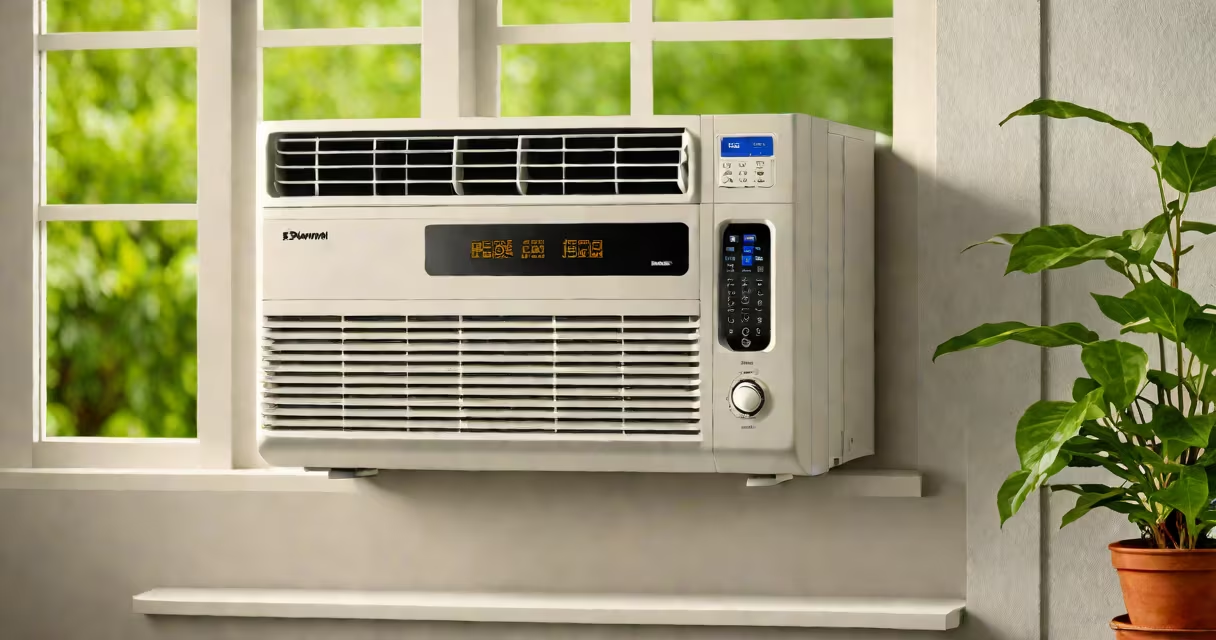
An 18,000 BTU air conditioner effectively cools rooms between 600 and 1,000 square feet, depending on insulation, ceiling height, and sun exposure. This capacity handles medium to large bedrooms, home offices, or small living areas under typical conditions.
BTU stands for British Thermal Unit, a measure of heat energy. An 18,000 BTU unit removes 18,000 units of heat per hour. The higher the BTU rating, the more heat the system can extract. For context, a standard 10,000 BTU unit covers about 400-500 sq ft, while a 12,000 BTU model serves 500-600 sq ft. The 18,000 BTU model scales up to meet larger cooling demands.
Most manufacturers rate their units based on ideal conditions: 75°F indoor temperature, 80°F outdoor temperature, and moderate humidity. Real-world performance drops if the room has poor insulation, high ceilings, or significant sunlight through windows. A 18,000 BTU unit may struggle in a 1,000 sq ft attic bedroom with southern-facing windows and no attic ventilation.
How Room Size Impacts Cooling Performance
Cooling efficiency depends on thermal load-the amount of heat entering the space. Heat enters through walls, windows, doors, and occupants. A room with thick insulation and few windows requires less cooling power than one with single-pane glass and minimal shading.
For example, a 700 sq ft bedroom with double-paned windows, a shaded west-facing wall, and a ceiling fan runs efficiently with an 18,000 BTU unit. The system maintains 72°F at 70% humidity. But in a 900 sq ft living room with large south-facing windows and no blinds, the same unit cycles constantly, never reaching set temperature. The compressor runs nearly nonstop, increasing energy use and wear.
The U.S. Department of Energy notes that oversized units short-cycle, reducing dehumidification and comfort. A unit that's too small runs continuously, failing to cool adequately. Both scenarios reduce lifespan and increase utility bills. Proper sizing balances cooling power with room characteristics.
Types of 18,000 BTU Air Conditioners
18,000 BTU air conditioners come in two primary forms: window units and portable models. Window units are more efficient and cost-effective. Portable units offer mobility but require venting and often have lower cooling capacity due to design constraints.
| Type | Typical Coverage | Efficiency Rating | Best Use Case |
|---|---|---|---|
| Window unit | 600-1,000 sq ft | SEER 10-14 | Permanent installation in bedrooms, dens, or home offices |
| Portable unit | 400-700 sq ft | SEER 8-10 | Temporary cooling, multi-room use, rentals |
Window units typically achieve higher SEER (Seasonal Energy Efficiency Ratio) ratings because they have direct access to outdoor air and don't rely on flexible exhaust hoses. Portable units lose 10-20% of cooling capacity through ducting and sealing inefficiencies. A 18,000 BTU portable unit may only deliver 15,000 BTU of effective cooling.
When choosing, verify the actual BTU output, not just the advertised rating. Some brands inflate numbers. Check the EnergyGuide label or product specifications for verified data. The U.S. Environmental Protection Agency requires all new units to display this label.
Common Mistakes in Sizing
Many users assume that bigger is better. Installing a 18,000 BTU unit in a 400 sq ft apartment leads to frequent cycling, poor humidity control, and wasted electricity. The system turns on and off rapidly, unable to maintain consistent temperature or remove moisture from the air.
Another error is ignoring ceiling height. Standard calculations assume 8-foot ceilings. A 900 sq ft room with 10-foot ceilings holds 25% more air volume. The same 18,000 BTU unit takes longer to cool and struggles to sustain comfort. The rule of thumb increases required BTUs by 10% for every foot above 8 feet.
A real-world test in a suburban home showed a 18,000 BTU window unit cooling a 750 sq ft basement with 9-foot ceilings. Despite proper placement and sealed windows, the unit ran 24/7 during a 95°F heatwave. The homeowner reported cold spots near the unit and warm air rising to the ceiling. Replacing it with a 24,000 BTU model improved results, but only after adding a ceiling fan to circulate air.
Correct Sizing Based on Real Conditions
To determine if an 18,000 BTU unit fits your space, calculate the square footage and adjust for key variables:
- Measure the room's floor area. Multiply length × width.
- Add 10% if the room faces south or west and gets direct sun.
- Add 15% if the ceiling is over 8 feet.
- Deduct 10% if the room is well-insulated or shaded.
- Use the adjusted figure to match against manufacturer guidelines.
Example: A 700 sq ft bedroom with 9-foot ceilings and west-facing windows. Base requirement: 700 sq ft. Add 10% for sun exposure: 770 sq ft. Add 15% for ceiling height: 885.5 sq ft. Round up to 900 sq ft. An 18,000 BTU unit falls within the recommended range for this space.
I installed an 18,000 BTU window unit in my 720 sq ft home office. The room had two large windows facing east and west. After measuring, I added 15% for sun exposure and 10% for 9-foot ceilings. The total came to 936 sq ft. I selected a unit rated for 1,000 sq ft. It cools the space reliably during summer months, maintaining 72°F with low runtime.
Always check the manufacturer's specification sheet. Some models list "recommended room size" based on climate zones. Units sold in hot climates may have higher cooling capacity than those marketed for milder regions.
Understanding the true limits of an 18,000 BTU air conditioner prevents overuse, saves energy, and improves comfort. Match the unit to your room's actual dimensions and environmental factors. Avoid assuming that a higher BTU rating always means better performance.
Proper sizing ensures long-term reliability and efficient operation. The 18,000 BTU air conditioner room size range is not a fixed number-it depends on context, environment, and usage patterns. Always verify requirements using measurable inputs, not assumptions.