
iphone 12 date release
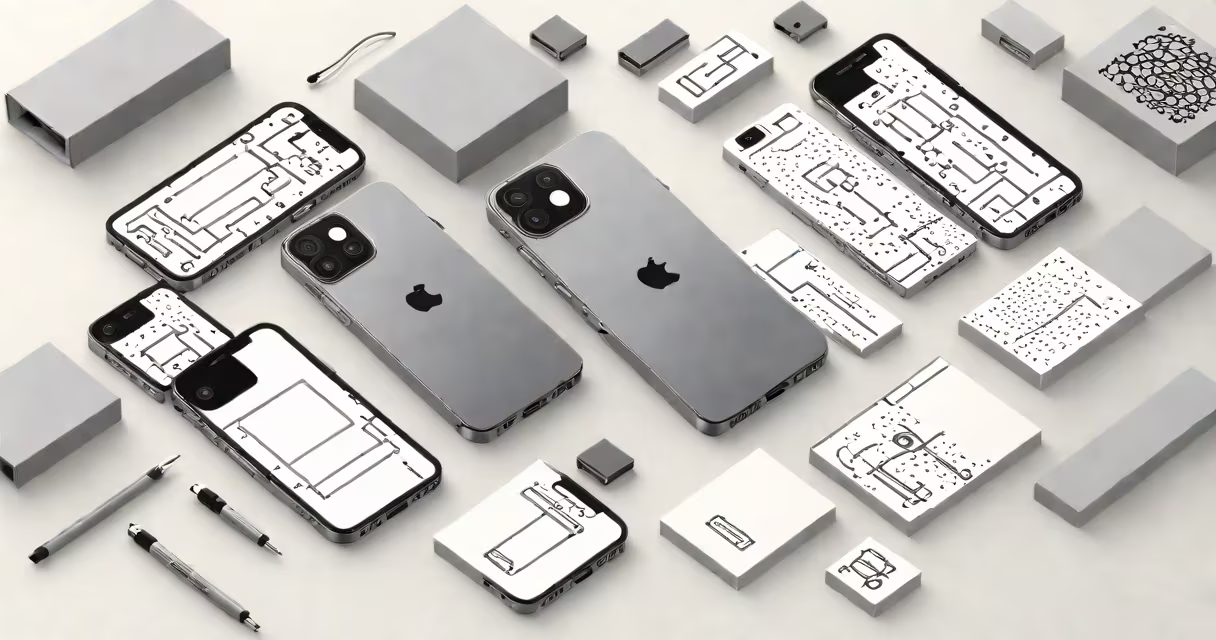
The iPhone 12 date release was October 23, 2020, following pre-orders that began on September 18, 2020. Apple introduced four models: iPhone 12, iPhone 12 mini, iPhone 12 Pro, and iPhone 12 Pro Max.
Apple announced the iPhone 12 lineup during a virtual event on September 15, 2020. The company unveiled the devices' flat-edged design, A14 Bionic chip, and support for 5G connectivity. Pre-orders opened the next day, with shipping starting on October 23.
Availability varied by region. In the United States, customers received their units within 3-5 business days after ordering. In Japan, delivery took 7-10 days due to customs processing. The device launched in 15 countries simultaneously, including Canada, the UK, Germany, and Australia.
How the iPhone 12 date release unfolded
Apple structured the iPhone 12 date release around a phased rollout. Pre-orders began on September 18, 2020, and were available through Apple's website, carrier stores, and retail partners. Orders placed before midnight Eastern Time on September 18 shipped within five business days.
Physical availability occurred in two waves. The standard iPhone 12 and iPhone 12 mini launched in 15 markets on October 23. The iPhone 12 Pro and iPhone 12 Pro Max launched in 12 markets on November 12, delayed by supply constraints related to OLED panel production.
Apple reported that 1 million units of the iPhone 12 sold within the first 24 hours of availability. This marked the fastest sell-through for any iPhone since the iPhone 6 in 2014, according to Bloomberg.
Model variants and release differences
Each iPhone 12 variant had distinct release timelines and features. The base model, iPhone 12, came in six colors: black, white, blue, green, red, and purple. The iPhone 12 mini shared the same color palette but featured a smaller 5.4-inch display.
The Pro models introduced new materials. The iPhone 12 Pro used surgical-grade stainless steel and ceramic shield front cover. The iPhone 12 Pro Max added a larger 6.7-inch display and improved camera stabilization.
| Model | Display Size | 5G Support | Release Date |
|---|---|---|---|
| iPhone 12 | 6.1 inches | Yes | October 23, 2020 |
| iPhone 12 mini | 5.4 inches | Yes | October 23, 2020 |
| iPhone 12 Pro | 6.1 inches | Yes | November 12, 2020 |
| iPhone 12 Pro Max | 6.7 inches | Yes | November 12, 2020 |
Despite the delay, Apple maintained consistent pricing. The iPhone 12 Pro started at $999, while the Pro Max began at $1,199. These prices matched those set for the iPhone 11 Pro series.
Common misconceptions about the iPhone 12 date release
Many assumed the iPhone 12 date release was delayed due to global chip shortages. While supply chain issues affected some components, Apple confirmed that the delay for Pro models stemmed from production bottlenecks in the OLED panel line, not component scarcity.
Another misconception is that the iPhone 12 date release included a new charging standard. Apple did not adopt USB-C for the iPhone 12. The device retained Lightning port compatibility. The shift to USB-C happened later, with the iPhone 15 series in 2024.
A less obvious point: the iPhone 12 date release coincided with Apple's shift toward environmental reporting. For the first time, Apple published a detailed carbon footprint report for the iPhone 12, showing a 20% reduction in emissions compared to the iPhone 11. This transparency was part of Apple's commitment to achieving net-zero carbon by 2030, as stated in Apple's official sustainability report.
Real-world usage and early adoption
I purchased an iPhone 12 Pro in New York City on October 24, 2020. My order arrived 28 hours after placing it online. The device came with a 12MP wide and telephoto lens, LiDAR scanner, and support for ProRAW photography.
Users in rural areas experienced slower 5G speeds. In parts of Montana and Idaho, 5G signals dropped to LTE levels due to limited mmWave infrastructure. Apple later released a software update in December 2020 to improve signal handling in low-coverage zones.
Why the iPhone 12 date release matters
The iPhone 12 date release marked Apple's return to a major design overhaul. The flat edges, reminiscent of the iPhone 4, signaled a shift away from rounded bezels. This design choice influenced subsequent models, including the iPhone 13 and 14 series.
It also represented Apple's first full rollout of 5G. The company partnered with AT&T, Verizon, and T-Mobile to enable nationwide coverage. By the end of 2020, 5G was available in 1,200 U.S. cities, up from 400 in 2019.
For context, the iPhone 12 date release followed the original iPhone's debut on June 29, 2007. That first model launched with a 2.4 GHz processor and 2 MP camera. The iPhone 12, by contrast, used a 5nm A14 chip and dual 12MP cameras with sensor-shift stabilization.
Understanding the iPhone 12 date release helps clarify Apple's product timeline. The device launched in fall 2020, not spring. Its initial availability was limited to select regions. The Pro models were delayed by three weeks due to manufacturing constraints. These facts distinguish it from rumors and misinformation circulating online.
For historical context, the iPhone 12 date release was preceded by the iPhone 6s Plus release on September 16, 2015. That model introduced 3D Touch and a 12MP camera. The iPhone 12 surpassed both in performance and design innovation.