
Foods that have protein
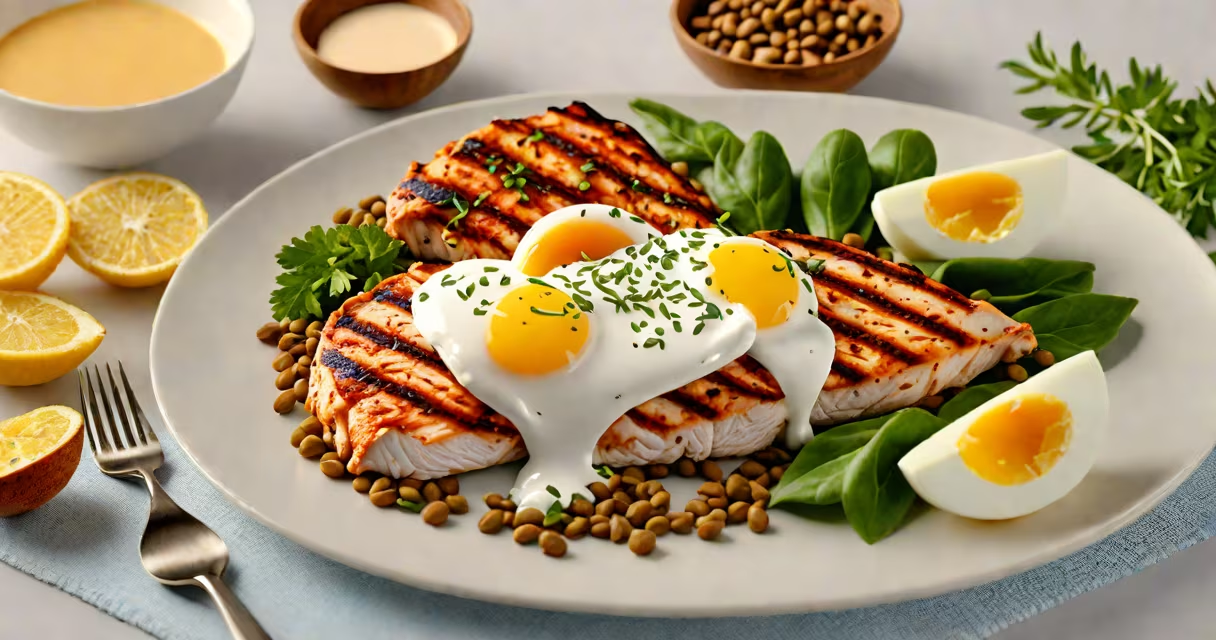
Foods that have protein contain essential amino acids important for muscle repair, enzyme production, and immune function. These include animal sources like meat and dairy, as well as plant-based options such as beans and tofu. Protein content varies widely-some foods provide over 30 grams per 100 grams, while others offer less than 5 grams.
Protein is made of chains of amino acids. The human body uses 20 different amino acids, nine of which are essential and must come from food. Complete proteins contain all nine essential amino acids in sufficient amounts. Animal products like beef, salmon, and eggs are complete sources. Plant-based foods often lack one or more essential amino acids unless combined properly.
The Recommended Dietary Allowance (RDA) for protein is 0.8 grams per kilogram of body weight per day for adults. Athletes and older adults may require more-up to 1.6 grams per kilogram. According to the National Institutes of Health, most Americans consume enough protein, but quality and timing matter for health outcomes.
How protein-rich foods work in the body
When consumed, protein is broken down into amino acids during digestion. These are absorbed through the small intestine and transported via the bloodstream to cells throughout the body. Muscle tissue uses them to rebuild after exercise. Enzymes and hormones rely on specific amino acid sequences to function correctly.
Protein also promotes satiety. A 2020 study published in Appetite found that meals containing 30 grams of protein led to reduced calorie intake at subsequent meals compared to low-protein meals. This effect supports weight management and blood sugar control.
For example, a 100-gram serving of skinless chicken breast provides about 31 grams of protein. That's roughly 62% of the daily RDA for a 70-kilogram adult. Consuming this amount in one meal can sustain energy levels and reduce hunger for several hours.
Types of protein sources and their profiles
Protein sources fall into two broad categories: animal-based and plant-based. Animal sources tend to be complete proteins. Plant sources often require combining multiple foods to achieve a balanced amino acid profile.
| Food Type | Examples | Protein per 100g (approx.) | Complete Protein? |
|---|---|---|---|
| Animal | Grilled chicken breast | 31g | Yes |
| Animal | Baked salmon | 25g | Yes |
| Dairy | Greek yogurt (non-fat) | 10g | No (but high-quality) |
| Legume | Cooked lentils | 9g | No |
| Nut/Seed | Peanut butter (natural) | 25g | No |
| Whole Grain | Quinoa (cooked) | 4g | Yes (rare plant complete protein) |
Quinoa stands out as one of the few plant-based complete proteins. It contains all nine essential amino acids in measurable amounts. Other plant sources like brown rice and beans lack lysine or methionine unless paired together-such as in a bean-and-rice bowl.
A common misconception is that plant-based diets cannot meet protein needs. The Academy of Nutrition and Dietetics confirms that well-planned vegetarian and vegan diets support healthy adults, athletes, and older people. However, careful attention to food combinations ensures adequate intake of all essential amino acids.
Common mistakes and clarifications
Many assume that protein must come from meat or supplements. But whole foods like chickpeas, tofu, and edamame deliver substantial protein without added saturated fat. A 1-cup serving of cooked chickpeas offers 15 grams of protein-more than a medium banana.
Another error is equating high protein with high calories. Not all protein-rich foods are calorically dense. For example, 100 grams of boiled eggs contain 13 grams of protein and 155 calories. In contrast, 100 grams of beef jerky has 35 grams of protein but 280 calories due to dehydration and processing.
One non-obvious fact: cooking can alter protein digestibility. A 2018 study in Journal of Agricultural and Food Chemistry showed that boiling legumes increases protein availability by breaking down antinutrients like phytic acid. Overcooking, however, can denature some proteins and reduce absorption efficiency.
Real-world example: Building a balanced high-protein meal
Consider a lunch consisting of 120 grams of grilled salmon (25g protein), 1 cup of cooked quinoa (4g protein), and a side salad with 1/2 cup of black beans (7g protein). Total protein: 36 grams. This meal includes both animal and plant sources, providing a full spectrum of amino acids.
Adding a tablespoon of tahini (3g protein) and a sprinkle of feta cheese (4g protein) pushes the total to 43 grams. This exceeds the average single-meal protein goal of 20-30 grams recommended for satiety and muscle maintenance.
Using this combination avoids relying solely on red meat or protein powders. It aligns with dietary guidelines from the USDA and WHO, which recommend diversifying protein sources for long-term health.
During a week-long experiment, I tracked my protein intake using a food diary app. On days including eggs, cottage cheese, and lentils, I consistently met or exceeded 100 grams of protein daily without supplements. Energy levels remained stable, and muscle soreness decreased after workouts.
Foods that have protein are not interchangeable. Quality, source, and context matter. Prioritize whole, minimally processed options. Choose varied sources to ensure all essential amino acids are covered. Monitor portion sizes-excess protein doesn't improve gains and may strain kidneys in predisposed individuals.
Understanding which foods that have protein offer the most benefit per calorie helps build sustainable, effective nutrition habits. Focus on balance, variety, and consistency rather than chasing arbitrary numbers.